Port Dover, Canada
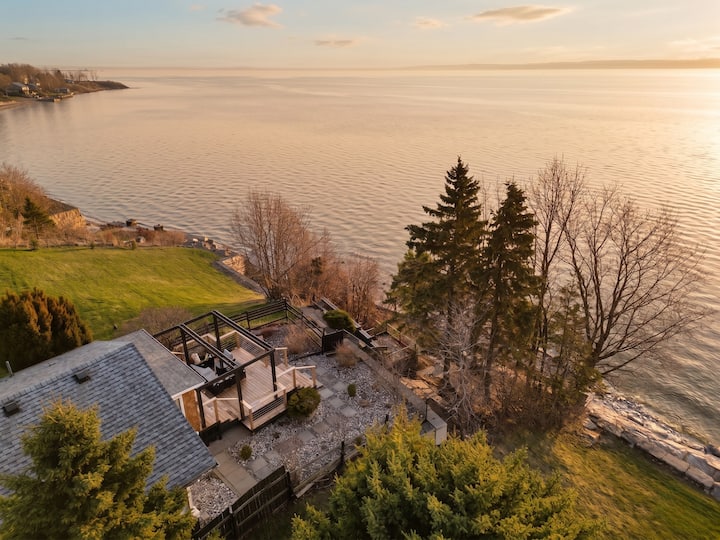
Waterfront cottage w/lake views from deck
Waterfront · Lake views · Deck
View listingWhy this market
Norfolk County describes Turkey Point Beach as long and shallow, with sand bars well suited to families. The County notes that the beach extends into cottage areas, asks visitors to respect privacy, and directs them to follow posted parking signs. Those are reasons to make arrival instructions, public-space etiquette, and the property’s boundaries clear.
Turkey Point Provincial Park provides an outdoor-recreation reference point. Ontario Parks lists biking, birding, boating, canoeing, fishing, hiking, and swimming. Its published 2026 day-use and camping window is May 1 through October 25, subject to change. We use current official visitor information to frame guest guidance, without promising a particular activity, facility, condition, or access from any home.
Norfolk County’s paid-parking program runs from June 15 through Labour Day, 10 a.m. to 6 p.m. daily; at the main beach it applies on Cedar Drive. The County says there is no free parking near the main beach and that resident-area on-street parking is prohibited and enforced. A clear stay plan separates public rules from a home’s verified parking arrangement and house guidance.
Local rules
Turkey Point is a Resort Area within Norfolk County’s Lakeshore Special Policy Area. The County identifies Resort Areas as existing concentrations of vacation homes, says they are not intended to expand, and generally prohibits new permanent year-round residential development and conversion of vacation homes to permanent year-round use. These seasonal-resort policies are not a short-term-rental authorization or a market-wide short-term-rental prohibition.
At the September 19, 2026 research check, Norfolk County said a proposed short-term-rental by-law was scheduled to take effect January 1, 2027 and that staff would bring updated by-laws to Council for revisions and clarifications. The supplied draft has blank enactment fields. Its final operative text, effective date, registration process, fees, inspections, and transition details are unresolved. This page does not state that registration is currently required or make an address-level operating determination.
Norfolk County says its zoning by-law controls how land may be used. It directs owners to identify a property’s zone through the County GIS system, review permitted uses, and submit a zoning inquiry. A Turkey Point address, resort-area label, or listing format cannot establish permitted use. Before an accommodation use is represented or begun, an owner should obtain the parcel’s zone, review applicable schedules and amendments, and seek written County confirmation.
The County’s zoning consolidation includes a distinct restriction on additional residential dwelling units: an ARDU is prohibited in a vacation home or a dwelling intended for vacation, recreation, seasonal, or short-term accommodation purposes. That is an ARDU restriction, not a conclusion about every main dwelling. The County has also announced a Municipal Accommodation Tax scheduled for January 1, 2028; it is a future measure, not a current charge.
Zoning — Norfolk CountyWhat we handle
After the owner has addressed the applicable municipal and property questions, we can discuss the work that supports a clear stay. Scope is built around the home’s verified setup and the owner’s preferred role, not a destination-wide template.
The aim is an organized process: accurate information for guests, visible responsibilities for owners, and attention to the home’s real condition between stays.
Co-hosting explained
Co-hosting can organize agreed guest-facing and property-operating work while an owner retains the decisions they want to keep. Depending on the arrangement, responsibilities may cover listing administration, guest communication, arrival information, turnover coordination, property checks, maintenance follow-up, and reporting. The useful first step is deciding who is accountable for each task before a stay depends on it.
A discussion should begin with the home’s actual setup: entrances, sleeping configuration, parking, outdoor areas, systems, service contacts, and existing routines. From there, an owner and operating partner can identify what needs preparation, who will make approvals, and how urgent issues will be escalated. This keeps the guest experience connected to known conditions rather than assumed standards.
For a Turkey Point opportunity, hospitality planning does not replace municipal review. Once intended use, zoning, and any other applicable questions are being checked with Norfolk County, the operating conversation can focus on accurate guest information, readiness between stays, and a communication rhythm that works for the home and owner.
Nearby homes
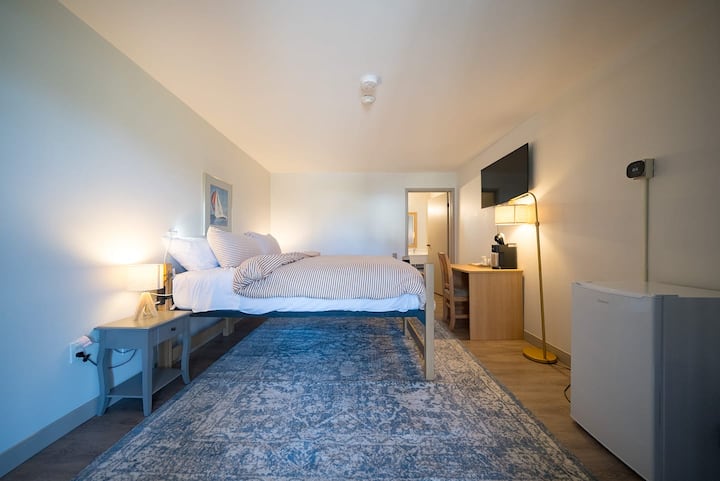
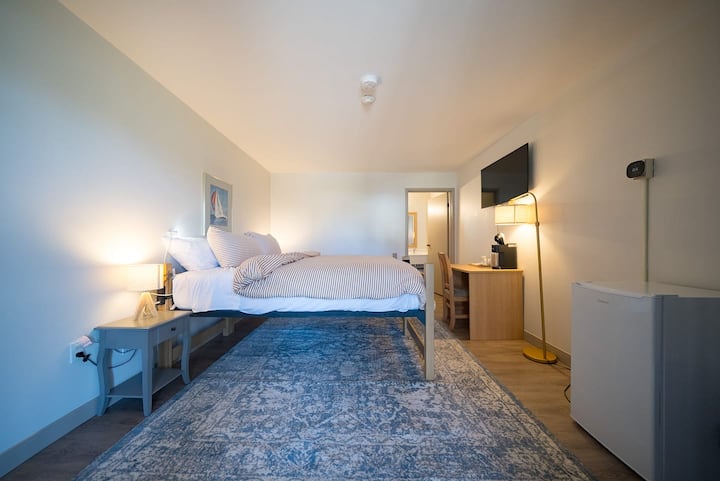
The homes below are in Port Dover, Canada. Each card and gallery label keeps the home’s real town and listing name. These portfolio references do not establish the location, condition, permitted use, or readiness of another property.
Local questions
The County material reviewed described a proposed short-term-rental by-law scheduled to take effect January 1, 2027, but its final operative text and implementation details need confirmation. Owners should check the current County position before listing or making a compliance representation.
No. The Resort Area policies address seasonal-resort land-use context, including limits on expansion and permanent year-round development. They do not authorize a short-term rental or create a blanket prohibition. The County’s GIS, zoning materials, and zoning-inquiry process are the appropriate starting points for an address-specific question.
Norfolk County’s zoning consolidation says an additional residential dwelling unit is prohibited in a vacation home or a dwelling intended for vacation, recreation, seasonal, or short-term accommodation purposes. Owners should ask the County how that restriction and any other zoning provisions apply to their parcel and intended setup.
A co-hosting scope can set responsibilities for listing work, guest communication, arrival guidance, turnovers, maintenance coordination, property care, and owner reporting. The right scope follows the home’s setup, the owner’s preferred involvement, existing support, and the municipal matters that must be resolved before operations rely on the plan.
Owner inquiry
Tell us about the Turkey Point property, its current setup, and the support you are considering. We begin with the home and the owner’s goals, while recognizing that zoning, intended use, future County rules, and other property-specific requirements need confirmation from the appropriate authorities. A careful early conversation can identify what information is ready, what still needs verification, and whether a practical operating scope can be defined.
Regional context
Niagara is our home base, and we also consider select management and investment opportunities elsewhere. Our Niagara hub explains the local markets we currently focus on in Ontario.