
Port Burwell, Canada
Peaceful Cottage on Lake Erie with Stunning Views!
Lake Erie · Peaceful setting · Lake views
View listingWhy this market
Port Dover’s Lake Erie setting gives guests several ways to spend time outdoors. Norfolk County identifies the beach, pier, and harbour as local waterfront features, with the pier serving anglers and people watching fishing tugs return. The harbour marina’s season runs from April 15 to October 15 and includes transient slips and daily boat ramps. We use this context to think about useful guest information, not to suggest that every home offers access to or proximity to these features.
Seasonal activity can change the details guests need before arrival. A home’s access, parking arrangement, outdoor setup, sleeping layout, and house guidance should be described plainly for the stay it can support. Beach visitors also need to understand that the County lists rules for its beach area, including restrictions on fires, glass containers, smoking or vaping, alcohol, and dogs other than identifiable service dogs. Public-space guidance and a home’s own house rules should be kept distinct and accurate.
A thoughtful plan starts with the home’s real condition and the owner’s priorities, then considers the recurring work that helps guests arrive with realistic expectations. That may include listing information, arrival communication, turnover standards, and a practical way to coordinate property care between stays.
Local rules
Norfolk County has announced a proposed short-term-rental by-law scheduled to take effect on January 1, 2027. Operators are expected to register by July 1, 2027. It also says a 4% Municipal Accommodation Tax on temporary accommodations, including short-term rentals, is scheduled to begin on January 1, 2028. These are future programs, not current requirements. The registration fee is to be set through the County’s Fees and Charges By-law process, so we do not treat an announced amount as final. Confirm current requirements with the County before listing.
The current framework is more limited but still requires care. Under Norfolk County’s Business Licensing By-law 2020-17, a hotel or bed and breakfast needs a valid licence. The by-law defines a bed and breakfast as premises with one or more rooms designated for overnight accommodation of the travelling public. Whether a particular short-term-rental home is classified that way requires County confirmation; we do not make that determination for an address on this page.
A proposed use also needs an address-specific zoning review. Norfolk County explains that zoning controls permitted land uses and matters such as parking, building type, lot standards, height, and setbacks, and it directs owners to its GIS mapping, the zoning by-law, or a Zoning Inquiry. Ontario fire-safety rules require smoke alarms in dwelling units and carbon-monoxide alarms in specified homes with fuel-burning or garage-related conditions. Before listing, the owner should confirm applicable zoning, licensing classification, safety obligations, and other property-specific requirements with the appropriate authorities.
Review Norfolk County’s short-term-rental and MAT updateWhat we handle
Once an owner has checked the intended use and the requirements that apply to the property, we can discuss the hospitality work that keeps a stay organized. The scope begins with the actual home and the owner’s preferred role, not a preset package.
We aim for an orderly, property-led process: clear information for guests, thoughtful coordination behind the scenes, and decisions tied to the home’s real condition.
Co-hosting explained
Co-hosting can give an owner support with agreed guest-facing and property-operating work while the owner retains the decisions they want to keep. Depending on the home, that work can include listing administration, guest communication, turnover coordination, property checks, maintenance follow-up, and reporting. The important step is defining who is responsible for each part before guests rely on it.
The right arrangement is specific to the home and the owner’s involvement. We first look at the property’s current setup, its access and service needs, the systems already in place, and the approvals an owner wants to retain. That discussion can show whether a launch plan, ongoing coordination, or more limited support is the practical fit.
For a Port Dover opportunity, hospitality planning cannot replace the owner’s confirmation of municipal and property-specific requirements. Once those questions are being addressed with the proper sources, we can focus on clear guest information, readiness between stays, and a communication rhythm that reflects the home rather than an assumed standard.
Nearby homes
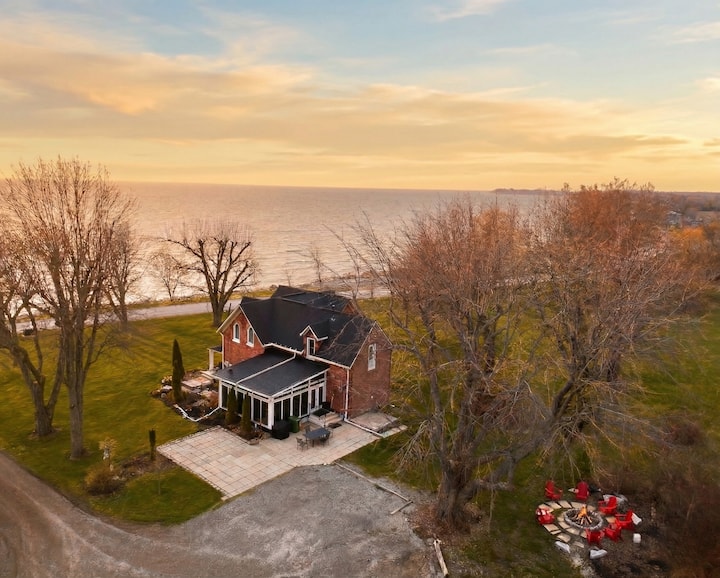
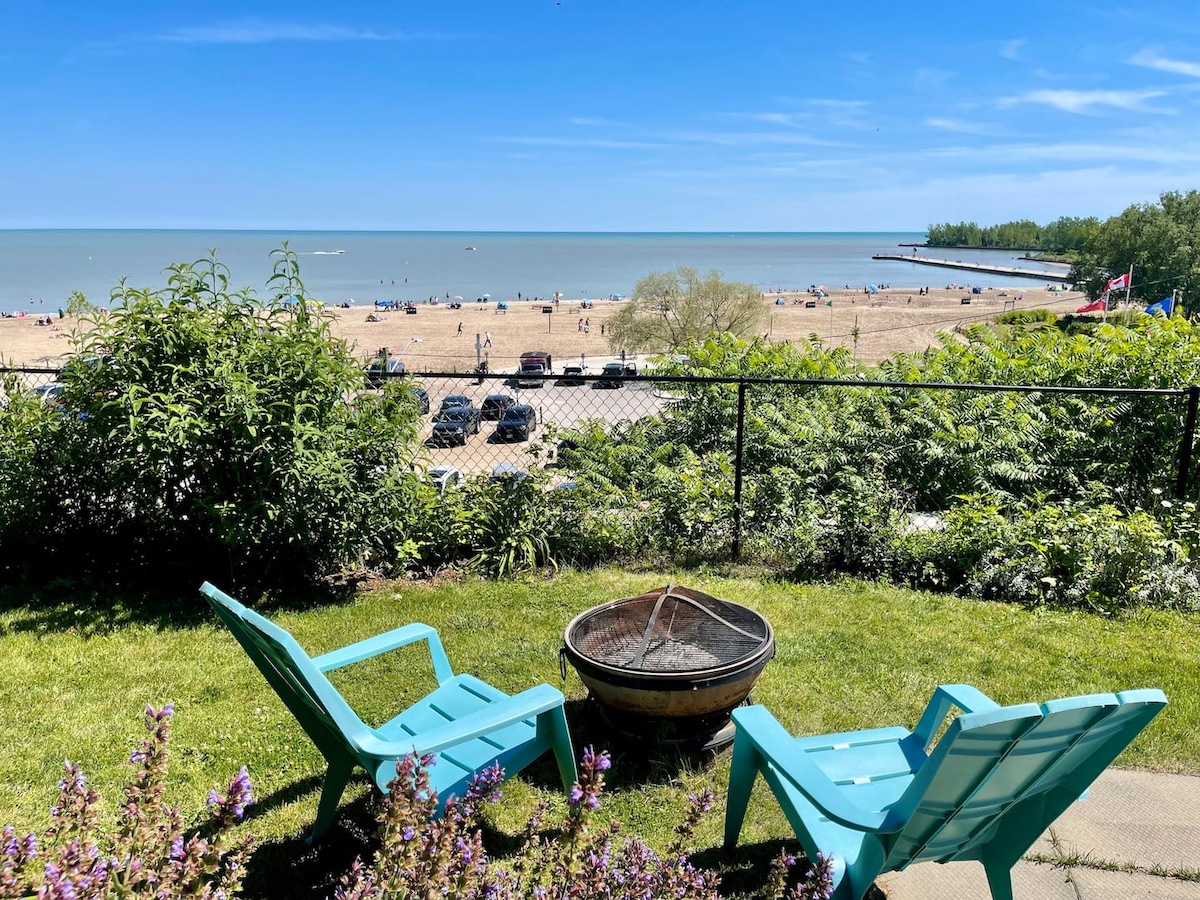
The homes below are identified by their actual towns, Port Burwell and Dunnville. They are nearby portfolio references only; each card preserves the home’s real location and does not determine the location, readiness, or eligibility of another property.
Local questions
Norfolk County’s announced County-wide registration program is scheduled to take effect on January 1, 2027, with operators expected to register by July 1, 2027. As described by the County, it is a future program. Owners should confirm the current rule and final process with the County before listing.
The current County business-licensing by-law requires a valid licence for a hotel or bed and breakfast. Because its bed-and-breakfast definition may require a classification decision for a particular home, an owner should ask Norfolk County how the by-law applies to that property rather than assume it is covered or exempt.
Start with the exact property: permitted use and parking under zoning, any applicable business-licensing classification, and the relevant smoke- and carbon-monoxide-alarm obligations. The owner should also review the home’s access, systems, service contacts, and current setup so the discussion is based on verified information.
A co-hosting scope is considered after the home, the owner’s role, and applicable requirements have been reviewed. The owner and operating partner can then define responsibilities for listing work, guest communication, turnovers, property care, maintenance coordination, and approvals before reservations depend on the arrangement.
Owner inquiry
Tell us about the Port Dover property, its current setup, and the operating support you are considering. We begin with the home and your goals, while recognizing that zoning, licensing classification, safety obligations, and future County program requirements need property-specific confirmation from the appropriate sources. A clear early conversation helps identify what is ready for coordination, what needs verification, and whether a collaborative operating scope makes sense.
Regional context
Niagara is our home base, and we also consider select management and investment opportunities elsewhere. Our Niagara hub explains the local markets we currently focus on in Ontario.