Port Burwell, Canada
Peaceful Cottage on Lake Erie with Stunning Views!
Lake Erie · Peaceful setting · Lake views
View listingWhy this market
Port Rowan’s waterfront context can inform a stay description without becoming a promise about the visit. Norfolk County identifies Port Rowan Harbour Marina on Lake Erie’s north shore and lists slips, transient docks, and a public launching ramp. For a home that may suit guests planning time on the water, arrival details, parking, outdoor guidance, and house rules matter as much as a broad waterfront description. We look at what the individual property can support before shaping guest information.
Long Point Provincial Park is another point of reference. Ontario Parks describes it as a 150-hectare recreational park with more than 1.5 kilometres of sandy beach, and identifies the Long Point area as an important bird and waterfowl migration and staging area within a designated World Biosphere Reserve. Those features help explain the wider setting, but they do not make every Port Rowan home the same. A property’s layout, access, sleeping arrangements, and neighbourhood context should lead the hospitality conversation.
Seasonality deserves attention rather than a fixed assumption. Ontario Parks’ 2026 calendar shows a defined camping season at Long Point, while day-use access has a broader published window and facilities or activities can vary with season and weather. The marina also publishes separate summer and winter contact periods. We use that context to ask readiness questions about a home, from exterior care to the information guests will need when they travel.
Local rules
Norfolk County has announced that its proposed short-term-rental by-law is scheduled to take effect on January 1, 2027. The County’s announcement says operators would be required to register for $25 by July 1, 2027, during the stated six-month transition period. Because this is an announced future framework, not a current 2026 by-law in force, an owner should confirm the final, current requirements with Norfolk County before listing.
The same announcement says a 4% Municipal Accommodation Tax is planned to take effect January 1, 2028 for temporary accommodations, including short-term rentals. That future date should not be treated as a current charge. The County says it will develop an FAQ, registration and inspection checklist, and sample guest code of conduct; owners should review those materials when published.
Current County materials also require a licence for a Hotel or Bed and Breakfast, with definitions for those categories. The available materials do not establish that every platform-hosted short-term rental falls into either category. Norfolk County’s zoning by-law controls land use, permitted building types, parking, setbacks, and related conditions, and the County directs people who want to operate a business from a property to submit a Zoning Inquiry. The classification and zoning position should be confirmed for the actual property and operating model.
If an additional residential dwelling unit is involved, the County’s ARDU guidance has separate restrictions, including a prohibition on an ARDU in a vacation home or other dwelling intended for vacations or seasonal short-term accommodations. That is not a blanket short-term-rental rule; it is another reason to confirm the property-specific position with the municipality before listing.
Review Norfolk County’s announced tourism frameworkWhat we handle
Once an owner has worked through the applicable municipal questions, we focus on practical systems for a clear guest experience and well-cared-for home. The scope follows the property’s condition, setup, and the owner’s priorities rather than a generic package.
Our aim is a defined process that helps guests understand the stay and owners see how recurring work will be handled. Details are discussed in relation to the individual property, not assumed from the town name alone.
Co-hosting explained
Co-hosting is a collaborative arrangement in which the owner and management partner set out who handles the work around a stay. Depending on scope, that can include listing operations, guest communication, arrival support, turnovers, maintenance coordination, and property-care systems. The owner keeps the decision-making role they choose to retain, while responsibilities are made visible rather than left to assumption.
We start by looking at what is already in place. A conversation can cover the home’s setup, intended guest experience, owner involvement, local coordination, and municipal questions. That review helps distinguish a potential launch plan from ongoing support and gives both sides a clearer basis for deciding whether the relationship is a fit.
For a Port Rowan property, an operating plan may include guidance for arrival, outdoor areas, seasonal readiness, and the property’s real local context. The point is not to create a standard script for every home, but to agree on what guests can rely on and who is accountable before reservations depend on it.
Nearby homes
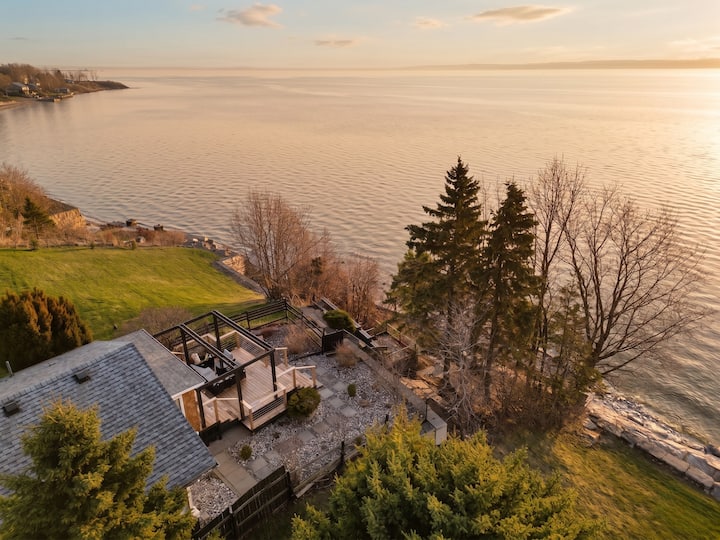
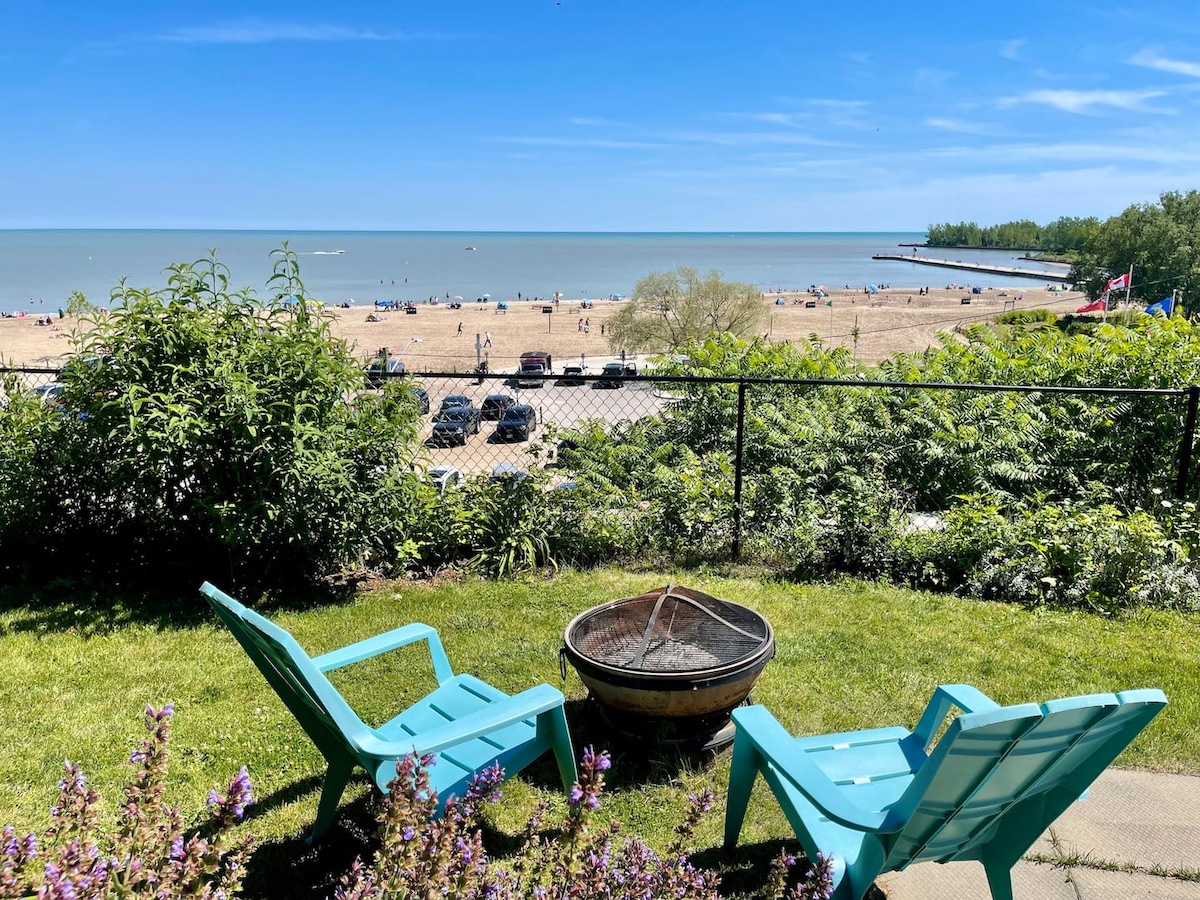
The homes below are in Port Burwell and Port Dover. Every card and gallery label identifies the home’s real town. Their inclusion shows portfolio geography only; it does not replace an individual Port Rowan property review or determine operating eligibility.
Local questions
We consider opportunities individually. The first conversation focuses on the home, owner goals, current municipal context, and the support it would need. A clear view of its setup and intended guest experience comes before any proposed scope.
Norfolk County has announced a proposed short-term-rental by-law scheduled to take effect January 1, 2027, with a stated registration transition period ending July 1, 2027. It has also announced a Municipal Accommodation Tax planned for January 1, 2028. These are future measures in the County announcement, so owners should confirm the current requirements directly with the municipality before listing.
The property’s zoning and permitted use should be confirmed with Norfolk County, including applicable business, parking, building, water or septic, fire-safety, or accommodation-category questions. If an additional residential dwelling unit is involved, that should be raised specifically. A property-level municipal review is more reliable than assumptions based on a listing format.
Co-hosting can organize responsibilities for guest communication, listing operations, arrival guidance, turnovers, maintenance coordination, and property-care systems. The appropriate scope depends on the home, the owner’s preferred involvement, the systems already in place, and the municipal questions that need to be addressed before guests rely on the plan.
Owner inquiry
Tell us about the Port Rowan property, its current setup, and the support you are considering. Include the intended stay and any questions identified through municipal review. We will consider the home and proposed arrangement individually.
Regional context
Niagara is our home base, and we also consider select management and investment opportunities elsewhere. Our Niagara hub explains the local markets we currently focus on in Ontario.