Port Burwell, Canada
Peaceful Cottage on Lake Erie with Stunning Views!
Lake Erie · Peaceful setting · Lake views
View listingWhy this market
Vancouver’s official visitor material describes an urban setting with parks, gardens, beaches, waterfront routes, and regional transit. City materials identify beaches and regional transit. These public resources can help shape an area guide, but they do not describe a particular dwelling, access route, parking arrangement, or guest experience.
Stanley Park is a 400-hectare natural West Coast rainforest in downtown Vancouver, with trails, beaches, waterfront views, wildlife viewing, landmarks, food options, and family attractions identified by the City. Public hours, access, events, weather, and facilities can change, so guest information should point to current official updates rather than make fixed promises.
The Seawall, beaches, gardens, neighbourhood businesses, and cultural destinations can orient guests when relevant to a confirmed location. A careful hospitality plan separates changing public details from a property’s verified layout, entrances, safety information, house rules, waste procedures, and service contacts.
Local rules
The City of Vancouver states that offering accommodation for fewer than 90 consecutive days requires a City short-term-rental business licence. Its baseline is that the unit must be the operator’s principal residence: the place where they live, pay bills, and receive mail. The City identifies operator status, landlord and strata approvals where applicable, lawful-unit status, safety, and advertising as relevant conditions. A general description cannot establish that a person, unit, suite, or building satisfies them.
Provincial registration is distinct from municipal licensing. British Columbia requires registration for each short-term-rental unit within its framework, and Vancouver is subject to the Province’s principal-residence requirement. The provincial process can require residence documentation and, where required, a valid local business licence. Provincial registration does not replace the City licence; the City licence does not replace provincial registration. Neither decides address-specific eligibility, zoning, strata permission, landlord consent, insurance, or exemption status.
Vancouver says a secondary suite, basement suite, laneway house, or lock-off must be assessed in relation to the unit where the operator lives. The City does not permit a main dwelling and secondary suite to be used as two short-term rentals. It directs applicants to verify lawful dwelling status and prepare required safety measures, including alarms, appropriate carbon-monoxide detection, fire extinguishers, a posted fire plan, and round-the-clock guest contact information. Confirm site-specific zoning, permit history, occupancy, private restrictions, and current forms directly with the City.
Review the City of Vancouver short-term-rental business-licence guidanceWhat we handle
After an owner has independently addressed applicable requirements and property facts, an operating conversation can focus on the hospitality work around an accurately described home and a clear division of responsibilities.
The goal is a practical, property-led operating rhythm, not a generic package or a conclusion about a Vancouver address’s permitted use.
Co-hosting explained
Co-hosting is a collaborative arrangement in which an owner and operating partner define agreed guest-facing and property-care tasks. For a verified home setup, the scope can address listing administration, guest communication, arrival information, turnovers, property checks, maintenance follow-up, supplies, and reporting. Decision rights, response expectations, access procedures, emergency contacts, and approvals should be documented clearly.
Co-hosting is separate from City and provincial obligations. It cannot establish a principal residence, obtain a business licence, secure provincial registration, resolve zoning or permit questions, provide strata or landlord consent, or determine insurance, safety, tax, or private requirements. Those matters need their own current, property-specific review.
An initial discussion can organize verified facts and open questions: responsibility for the home, current documents and safety information, service contacts, owner-retained work, and change communications. A written scope should follow those answers rather than an assumed approval or outcome.
Nearby homes
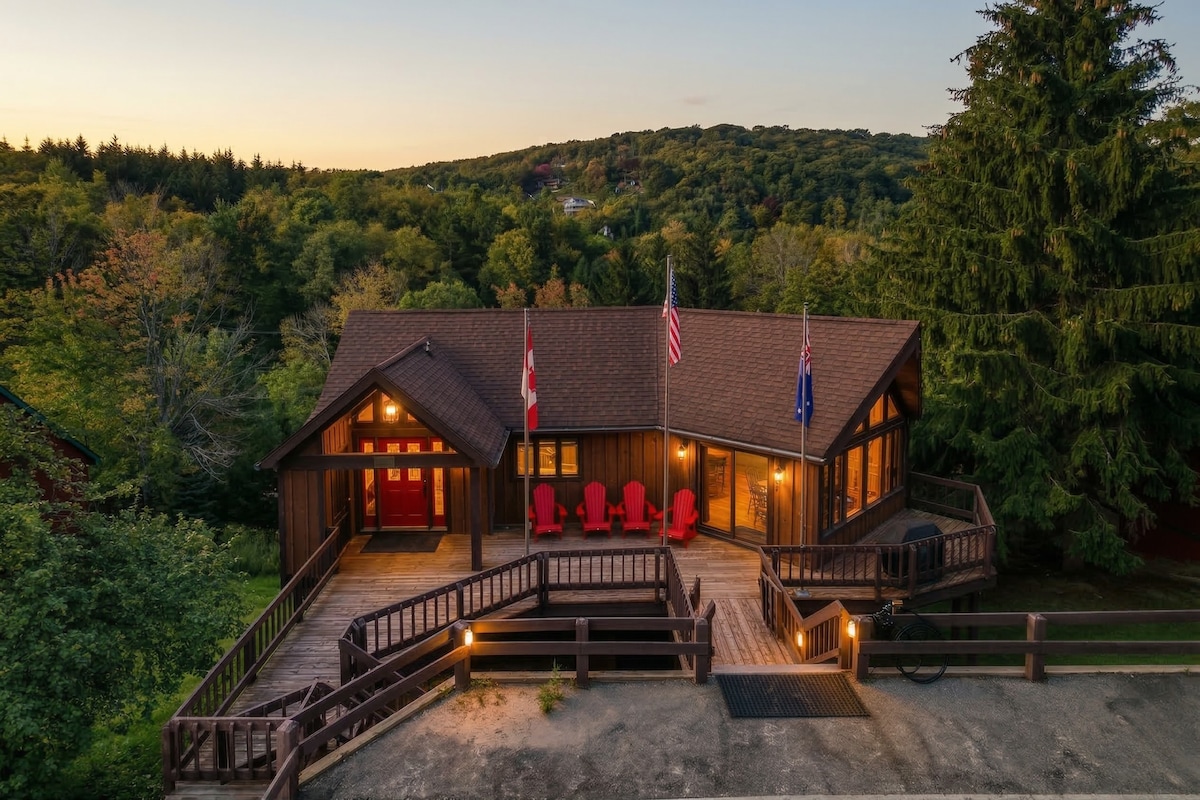
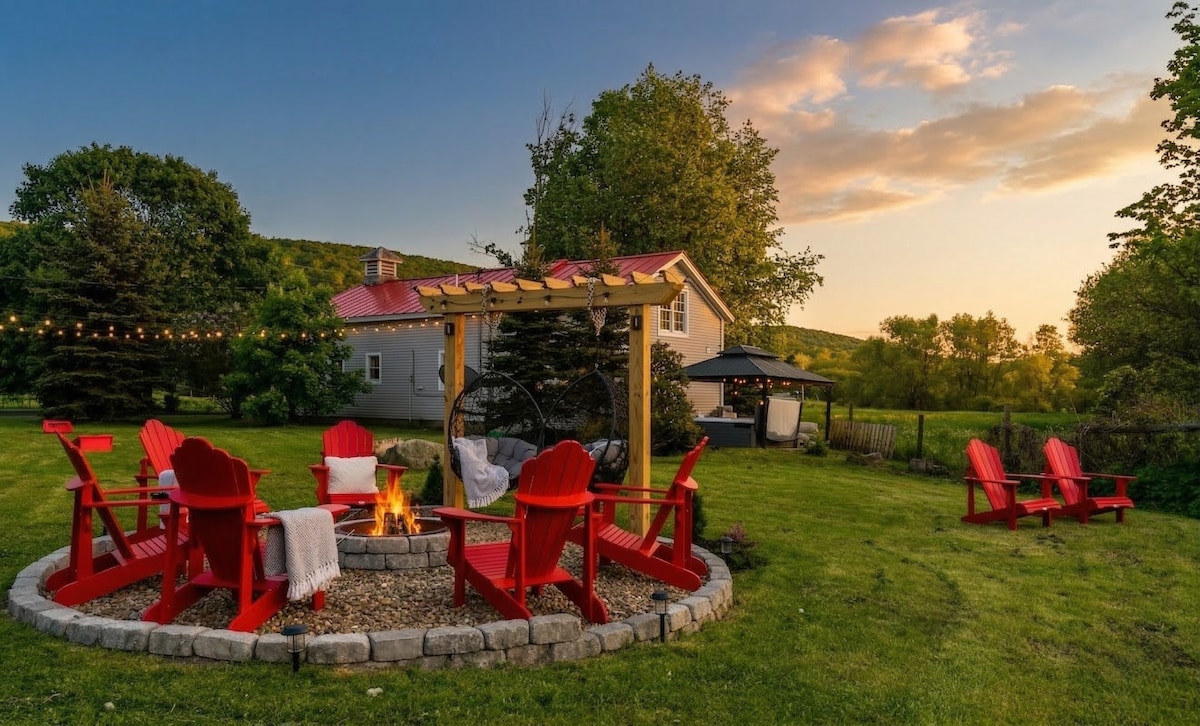
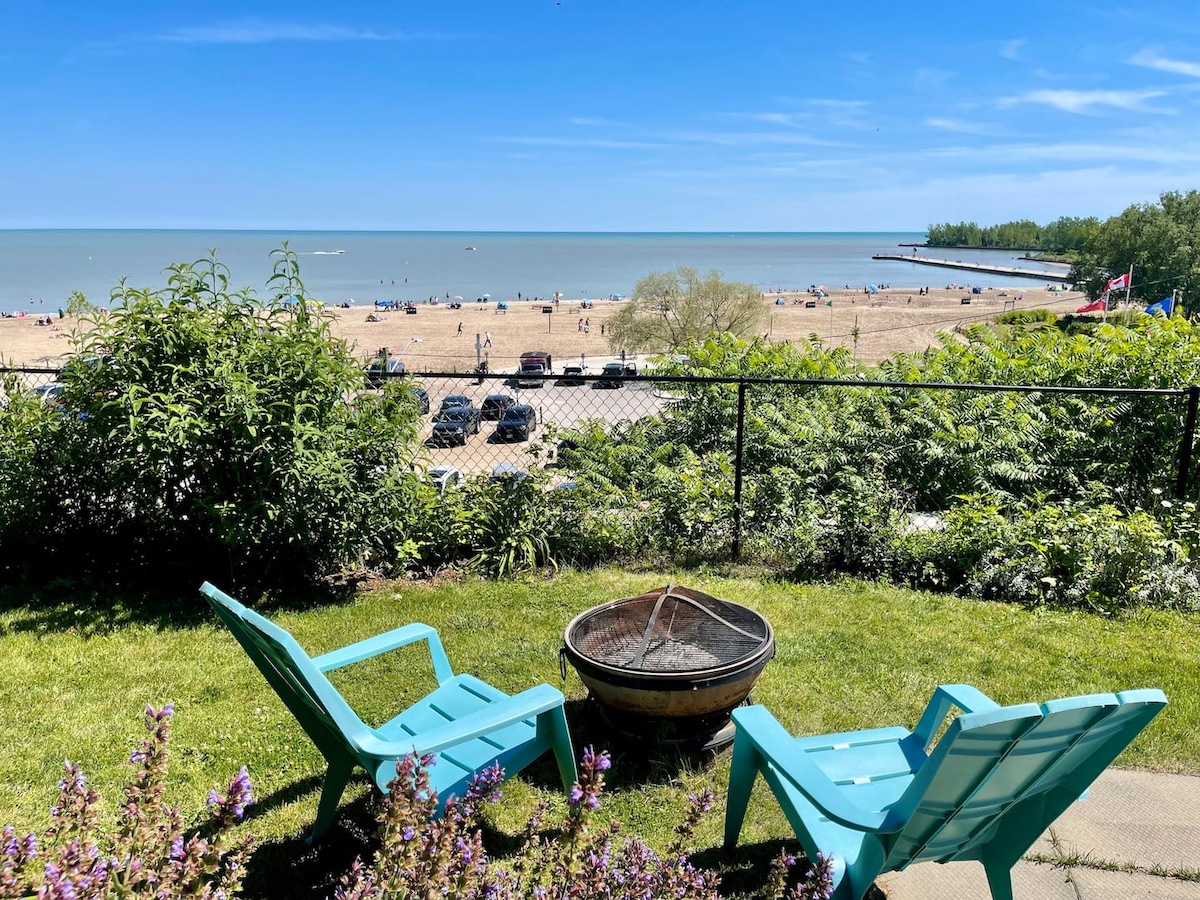
The cards below retain each property’s actual town and listing name: Port Burwell, Canada, and Ellicottville, New York. They are location-labelled portfolio references only. They do not state that a home is located in Vancouver or establish any Vancouver property’s location, licensing, registration, zoning, features, safety status, or permitted use.
Local questions
The City says stays offered for fewer than 90 consecutive days require a City short-term-rental business licence. Its guidance identifies principal-residence, operator, approval, lawful-unit, safety, advertising, and record-related requirements. Verify how every current condition applies to the exact unit and operator with the City; this page does not determine a result.
No. Provincial registration and City licensing are separate processes. B.C. registration is per unit within its regulatory framework and can require a local business licence where one is required. Vancouver’s licence does not replace provincial registration, and provincial registration does not replace the City’s licence or address-specific City review.
No. Vancouver’s guidance places specific limits on secondary suites, basement suites, laneway houses, and the main dwelling. The operator’s actual principal-residence unit, legal status of the dwelling, local rules, approvals, and site facts all need direct confirmation. A property label or configuration alone does not establish permission or an exemption.
A discussion can map verified property details and allocate agreed operational tasks, including listing administration, communication, turnovers, property checks, maintenance coordination, supplies, reporting, and urgent-issue procedures. It does not replace the owner’s or operator’s separate work with the City, Province, strata corporation, landlord, insurer, or qualified adviser.
Owner inquiry
Tell us about the property, its documented setup, and the operational support you are considering. An inquiry can organize home details, owner priorities, and open questions, while recognizing that City licensing, provincial registration, principal-residence facts, zoning, permits, lawful-unit status, safety, strata or tenancy terms, insurance, and other obligations need independent confirmation. This form is not an eligibility determination, approval, or representation about a future arrangement.
Regional context
Niagara is our home base, and we also consider select management and investment opportunities elsewhere. Our Niagara hub explains the local markets we currently focus on in Ontario.