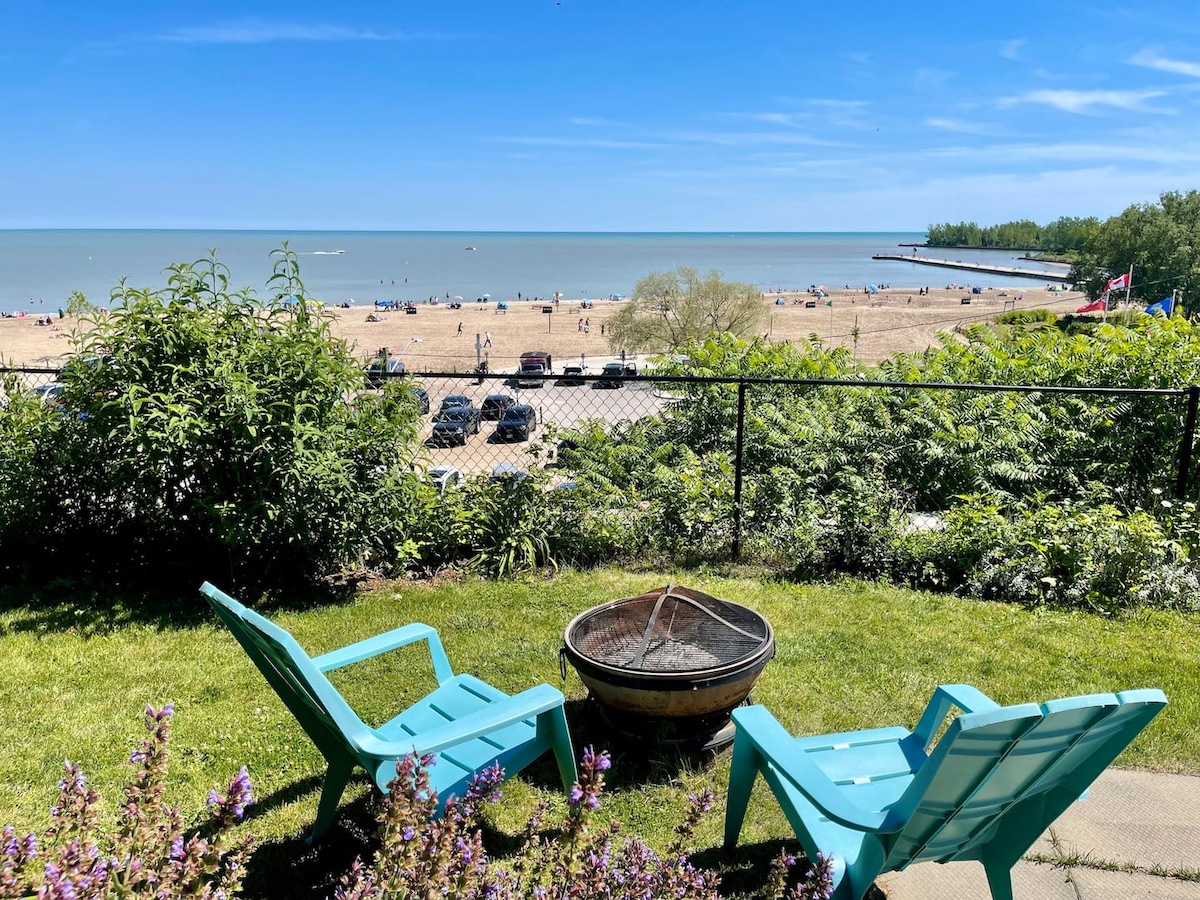
Port Burwell, Canada
Peaceful Cottage on Lake Erie with Stunning Views!
Lake Erie · Peaceful setting · Lake views
View listingWhy this market
Squamish sits at the north end of Howe Sound on the Sea to Sky Highway corridor. The District describes an ocean, mountain, river, and temperate-rainforest setting, with outdoor recreation, culture, and community events among its local features. That context can inform a carefully maintained area guide, but it does not describe any individual home or predict a stay’s outcome.
Garibaldi Park is another official regional reference point. BC Parks describes year-round outdoor recreation, established trails, and several Highway 99 access points between Squamish and Pemberton. Weather, access, reservations, and park advisories can change. Guest materials should direct visitors to current official information and should distinguish public recreation details from a home’s verified features, access instructions, and safety information.
A useful plan starts with the property. Review layout, sleeping arrangements, parking, entrances, equipment, service contacts, house guidance, and seasonal maintenance before guest material is developed. This keeps communications accurate without assumptions about a home, its use, or results.
Local rules
The District regulates short-term rentals offered to transient paying guests for less than 90 days. Its standard local pathway is a business licence for an operator’s principal residence, covering the whole principal dwelling or rooms within it. Secondary suites, accessory dwelling units, second or vacation homes, investment units, and corporate or commercial operations are outside that pathway. These summaries do not assess any address or operator.
A limited District Temporary Use Permit route addresses certain non-principal-residence secondary suites or accessory dwelling units, subject to conditions. The District says its 30-unit cap has been reached; an opening may arise only when an existing permit is withdrawn or closed. Do not rely on a new permit path or treat a legal-suite description as authorization. Obtain written, current confirmation from District Planning for the precise use.
Provincial registration is separate from local licensing. B.C. registration is per unit, renews annually, and requires required identifiers to appear in a listing. Where a municipal licence is required, the local licence number must also be displayed. Provincial registration does not replace the District business licence, zoning review, Temporary Use Permit, owner consent, strata authorization, safety duties, or other local conditions. Conversely, a local licence does not replace provincial registration. Neither process assures that a particular home, operator, or proposal can proceed.
Review the District of Squamish short-term-rental licence guidanceWhat we handle
Once an owner has independently addressed the requirements relevant to the property, an operating discussion can focus on the recurring hospitality work around an accurately described home.
The aim is a documented process for accurate information and practical coordination, not a standardized promise about approvals or outcomes.
Co-hosting explained
Co-hosting is a collaborative arrangement assigning guest-facing and property-care tasks. The scope may address listing administration, communications, turnovers, maintenance follow-up, property checks, and reporting. Responsibilities should be settled before guests depend on them.
For a Squamish proposal, co-hosting is distinct from compliance. It cannot establish principal-residence status, a lawful suite or accessory dwelling unit, licence issuance, Temporary Use Permit status, zoning conformity, strata permission, owner authority, insurance coverage, or B.C. registration. Those questions remain for authorities, relevant private parties, and qualified advisers.
A productive conversation covers configuration, access, parking, safety information, service contacts, supplies, approval steps, and decisions the owner retains. It identifies what is verified and needs a written answer, supporting a deliberate scope without presuming a regulatory or commercial conclusion.
Nearby homes
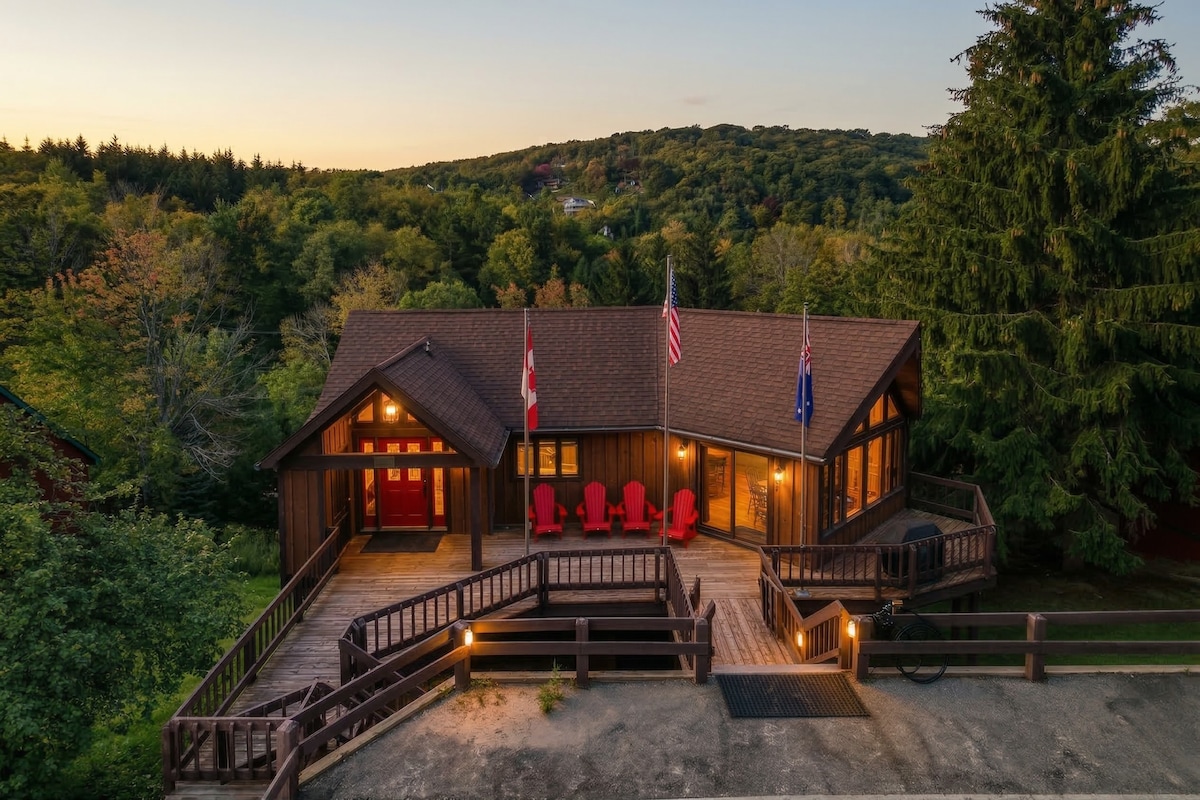
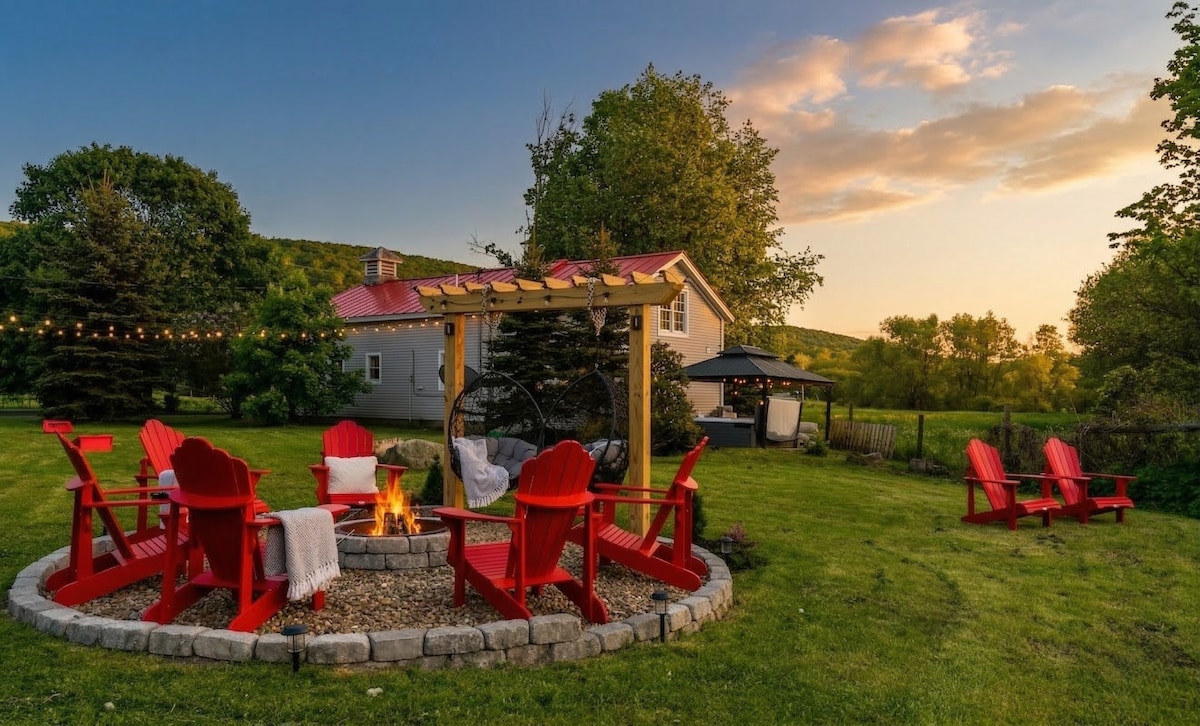
The portfolio references below retain their actual listing towns: Port Burwell, Canada, and Ellicottville, New York. They are location-labelled examples only; they do not place a home in Squamish, indicate that a Squamish home exists, or establish any property’s use, approval, feature, or status.
Local questions
Confirm the property is within the District and obtain current direction on the exact unit and use. Review zoning, lawful construction, principal-residence evidence where relevant, parking, safety materials, owner or strata authorization, local licensing, and B.C. registration. The answer depends on current facts and rules.
No. Provincial registration and District licensing are separate processes. B.C. registration is per unit and renews annually. The District requires local licensing for its regulated short-term-rental use and may impose narrower local conditions. One process does not replace the other, and neither establishes a property-specific result.
Suites and accessory dwelling units are not part of the District’s standard principal-residence licence pathway. A limited Temporary Use Permit exception has conditions for certain units, but the District says the cap is full. Consult District Planning about the exact unit and program status; this page does not determine permission.
Municipal and provincial processes do not replace private permissions or property obligations. Strata bylaws, owner authorization, tenancy terms, insurance, safety documentation, fire planning, and parking may need separate attention. Verify applicable requirements with proper decision-makers and advisers.
After the owner independently addresses the property’s requirements, a written co-hosting scope can allocate agreed tasks such as listing work, guest communication, turnover coordination, property checks, maintenance follow-up, and reporting. The appropriate scope depends on the home and owner’s intended involvement, not on an assumed approval or outcome.
Owner inquiry
Tell us about the property, setup, and support considered. Include verified facts and questions needing follow-up. An inquiry begins a property-specific discussion; it does not represent availability, acceptance, eligibility, approval, demand, pricing, revenue, ratings, or results. District licensing, zoning, Temporary Use Permit status, permissions, safety duties, and B.C. registration require current confirmation for proposal.
Regional context
Niagara is our home base, and we also consider select management and investment opportunities elsewhere. Our Niagara hub explains the local markets we currently focus on in Ontario.