Hamilton, Canada
Beachfront Escape | Lakeview deck, Hot Tub, Games
On the lake · Hot Tub · Self check-in
View listingWhy this market
York Region identifies Thornhill as a community serving both Markham and Vaughan. The Region handles transit, water, emergency medical services, and policing, while the cities handle local parks and libraries. That context does not replace the municipality that governs a home’s local land-use, licensing, parking, nuisance, or waste requirements. A Thornhill community label is therefore not enough for an operating decision.
The Markham-side Thornhill Community Centre, Library and Fitness Centre includes a library, therapy pool, gymnasium, community hall, ice rinks, fitness centre, squash courts, and seniors centre. Vaughan also has a municipal tourism organization focused on tourists and business travellers. These are local-context details only; they do not establish a guest profile, booking pattern, public-facility availability, or a home’s relationship to an amenity.
Useful hospitality preparation begins with the home rather than a market promise. We look at sleeping arrangements, property-specific arrival and parking instructions, outdoor spaces, household systems, cleaning and maintenance access, and clear house guidance. The aim is an accurate guest experience and orderly operating process, not an assumed result for an address.
Local rules
There is no single Thornhill short-term-rental licence. First establish whether the property is on the Vaughan or Markham side, then review current rules for that city and parcel. In Vaughan, the City states that short-term rentals are allowed only in a homeowner’s or tenant/lessee’s principal residence and require a City licence. It defines the stay as no more than 29 consecutive nights and says owners and brokerages require licences. A residential address alone does not settle whether a proposed use may proceed.
Vaughan’s published requirements also call for a 24/7 emergency contact, licence display, and compliance with the Ontario Building Code and Ontario Fire Code, including maximum occupancy. The City says its Municipal Accommodation Tax is 4% for short-term-rental stays and that a licensee is automatically registered for MAT when an STR licence is issued. Its 2026 fee schedule lists owner-licence fees, but fees and procedures can change; confirm the current process. Condominium, tenancy, insurance, and other property-specific restrictions also need review.
For Markham-side Thornhill, do not assume ordinary residential short-term-rental use is permitted. A City communication says Council amended zoning by-laws to define and effectively prohibit short-term rental accommodations. Current comprehensive zoning material defines a limited use and refers parking to a site-specific by-law amendment; that does not establish permission for an individual residence. Treat the use as prohibited or unresolved unless the City confirms in writing that the exact address, zone, and proposed use are allowed. Markham’s MAT information is not a permission source.
City of Vaughan — Short term rentalsWhat we handle
After the owner has addressed the appropriate municipal and property-specific questions, we can discuss a hospitality scope built around the home’s real condition, existing systems, and the owner’s preferred role.
The work is designed to be clear and practical: accurate information for guests, defined coordination behind the scenes, and decisions connected to the individual property.
Co-hosting explained
Co-hosting is a collaborative arrangement tailored to an owner’s involvement. An owner may retain particular decisions while receiving support with listing administration, guest communication, turnover coordination, property-care routines, maintenance follow-up, or reporting. Before agreeing on a scope, we identify what is in place and where responsibilities should be handed off.
For a Thornhill property, the municipal question comes first because the community crosses city boundaries. A co-hosting plan does not replace confirmation of the relevant city’s current rules, the parcel’s zoning, principal-residence conditions where applicable, or private restrictions. We do not make a municipal determination for an address. Once needed confirmations are pursued, the operating discussion can focus on guest information, property readiness, and communication practices.
Some owners need help establishing consistent routines; others want a narrower role around particular guest-facing or property-care tasks. We use the home’s setup and the owner’s objectives to define a working plan, including approvals and escalation contacts, before guests depend on it.
Ontario home examples
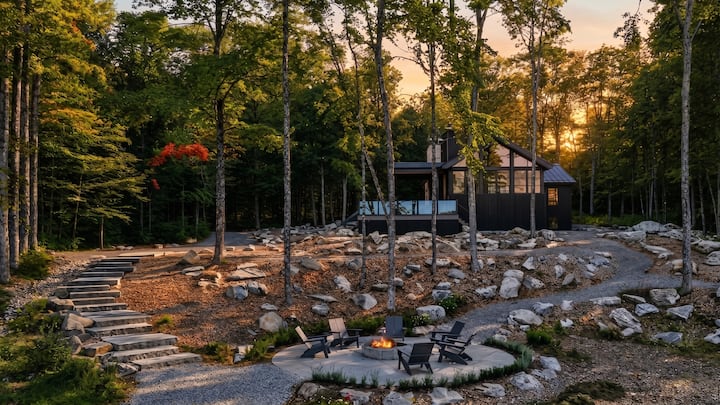
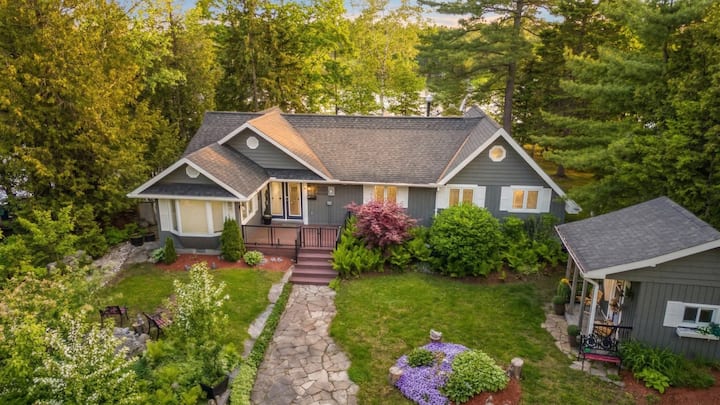
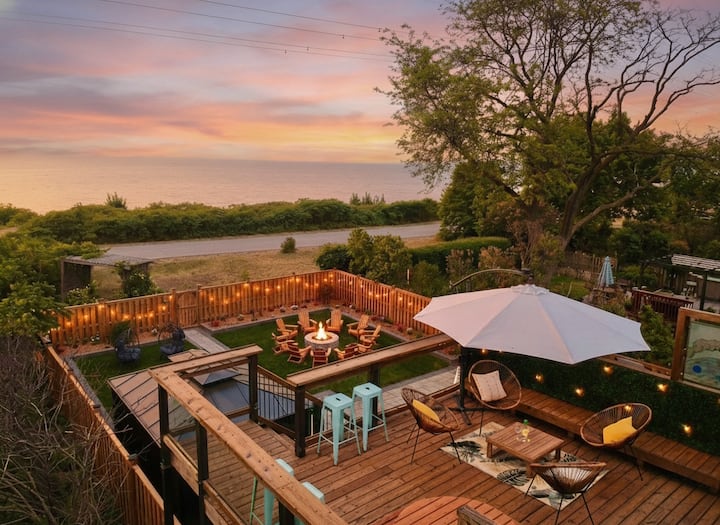
These home cards retain the actual towns and current property names in their records: Hamilton, Trent Lakes, and Bobcaygeon. Their presentation does not determine the rules, readiness, or operating approach for another property.
Local questions
No. Thornhill spans Vaughan and Markham. The exact municipal boundary and parcel must be confirmed before relying on local short-term-rental rules, zoning, tax, parking, nuisance, or waste requirements.
Vaughan says the rental must be in a homeowner’s or tenant/lessee’s principal residence and have a City licence. Its materials also address building and fire compliance, maximum occupancy, licence display, a 24/7 emergency contact, and MAT. Confirm the current City process for the specific property.
No. Markham’s official materials include a statement that Council effectively prohibited short-term rental accommodations, while current zoning material contains a narrowly defined use with site-specific parking language. Treat residential use as prohibited or unresolved unless the City confirms the exact address, zone, and proposed use in writing.
Depending on the agreed scope, support can include listing details, guest communication, arrival information, turnovers, property-care routines, maintenance coordination, pricing coordination, and owner reporting. Responsibilities and approval points should be defined around the home’s actual setup.
Owner inquiry
Tell us about the property, its current setup, and the operating support you are considering. We will begin with practical home details and your preferred role, while keeping municipal and property-specific questions with the appropriate city and qualified advisers. An early conversation can distinguish hospitality work needing coordination from confirmations required before a listing plan is relied upon.
Regional context
Niagara is our home base, and we also consider select management and investment opportunities elsewhere. Our Niagara hub explains the local markets we currently focus on in Ontario.