Ellicottville, New York
4BR Chalet on Holimont: Views-Hot Tub-Home Theater
Personally owned and managed by us
4.89 (218 reviews)
View listingWhy this market
The New York State Department of Environmental Conservation says Cayuga Lake extends north from Ithaca through three counties and is 38 miles long with 106 miles of shoreline. It identifies access points in each county, including Taughannock Falls, Long Point, Cayuga Lake State Park, and Dean’s Cove. These public places give regional context, but do not establish a property’s location, access, parking, amenities, or relationship to an attraction.
The published recreation calendar supports practical seasonal communication. Cayuga Lake State Park and Taughannock Falls State Park are open year-round, while listed swimming, boat-launch, camping, and cabin periods vary by facility and season. State information also describes changing fishing opportunities through the year. A listing should distinguish public information from the home’s verified features, access instructions, outdoor setup, and house guidance.
Hospitality preparation is rooted in what the home can actually support. Arrival details, parking, sleeping arrangements, exterior lighting, heating or cooling, waste routines, service contacts, and seasonal care should be described after confirmation for the property. That creates realistic expectations without turning a regional attraction or public calendar into a promise about an individual stay.
Local rules
No lakewide conclusion follows from Cayuga Lake’s geography. The municipality, county, zoning district, property configuration, certificates or inspections, and tax arrangement can all matter. Before advertising, identify the parcel’s city, town, village, and zoning district, then ask the relevant planning, zoning, or code-enforcement office how the proposed use is treated. County occupancy-tax registration is not municipal land-use or permit confirmation.
The City of Ithaca shows why local details cannot be borrowed for the whole lake. It defines a short-term rental as a dwelling offered in whole or part for less than 30 days and requires an operating permit before advertising. Its guidance limits permits to qualifying primary-residence arrangements and describes a Certificate of Compliance, residency evidence, City tax registration, and a local Tompkins County contact. Confirm City-specific requirements directly with the City; do not apply them elsewhere around the lake.
The Town of Ithaca lists rentals of less than 30 days among residential uses requiring an operating permit, subject to its code and fire-safety inspections. Tompkins, Cayuga, and Seneca Counties publish separate occupancy-tax information, and New York State explains sales-tax treatment. Confirm municipal approval and applicable county and State registration, collection, filing, and platform-documentation obligations for the specific arrangement.
Review the City of Ithaca short-term-rental informationWhat we handle
After an owner is obtaining property-specific direction on intended use, hospitality support can be discussed around the home’s condition, verified information, and owner decisions. Scope is considered property by property, not assumed from the destination.
The objective is an orderly plan: accurate guest information, clear coordination, and responsibilities defined around the home’s actual setup. Municipal, tax, safety, and property-specific decisions remain with the appropriate authorities and advisers.
Co-hosting explained
Co-hosting can support selected guest-facing and property-operating tasks while an owner retains chosen decisions. It can include listing administration, guest communication, turnover coordination, property checks, maintenance follow-up, and reporting. Before a guest relies on the arrangement, the parties should define each responsibility and the relevant approvals.
Scope depends on the home and owner involvement. A discussion can review setup, access, systems, service contacts, property-care needs, and information still needing confirmation. It can then distinguish limited coordination, a launch plan, or ongoing support without assuming one approach fits every property.
For a Cayuga Lake inquiry, hospitality planning remains separate from local authorization. The owner should seek direction from the applicable municipal office and confirm relevant tax responsibilities before relying on a proposed rental use. The discussion can then focus on accurate guest information, readiness between stays, and the home’s verified characteristics.
Nearby homes
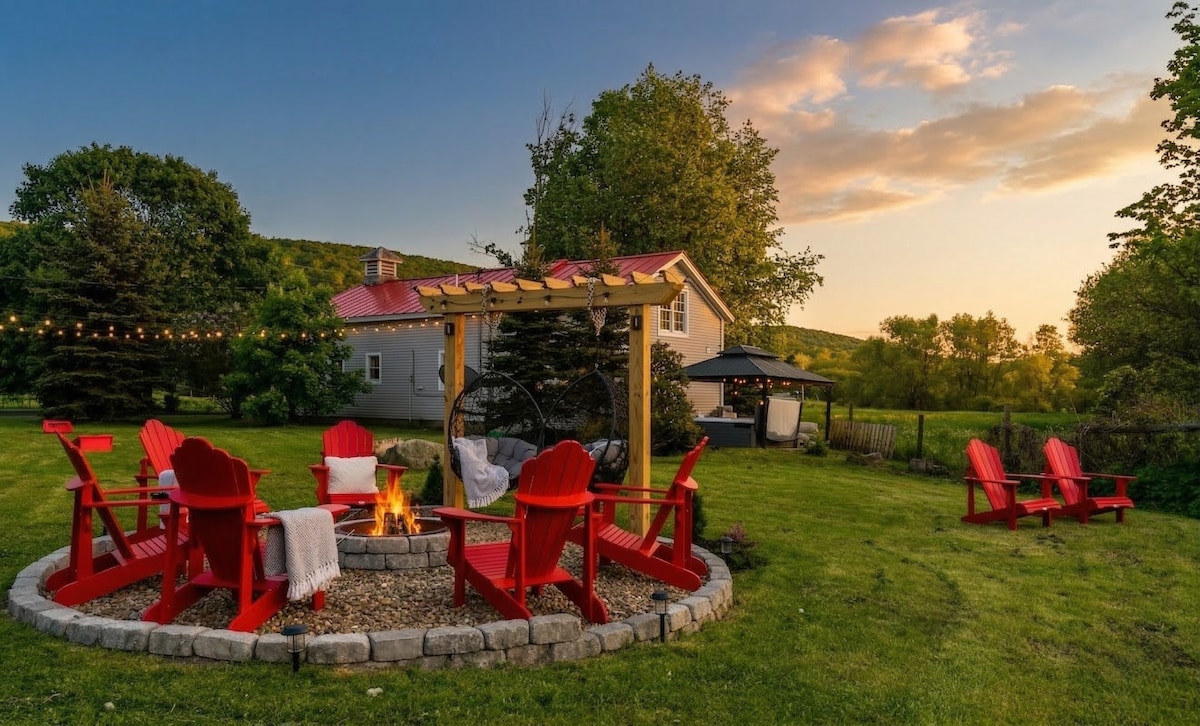
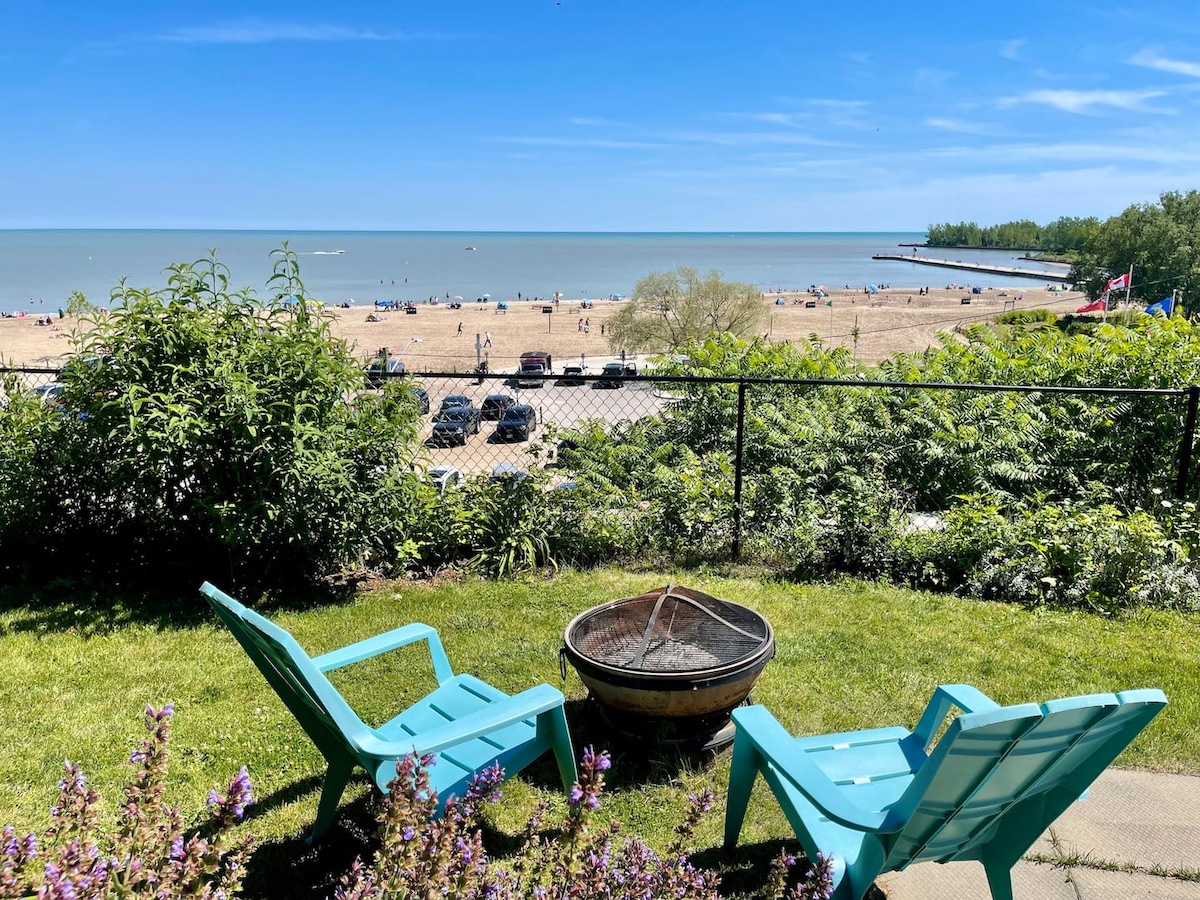
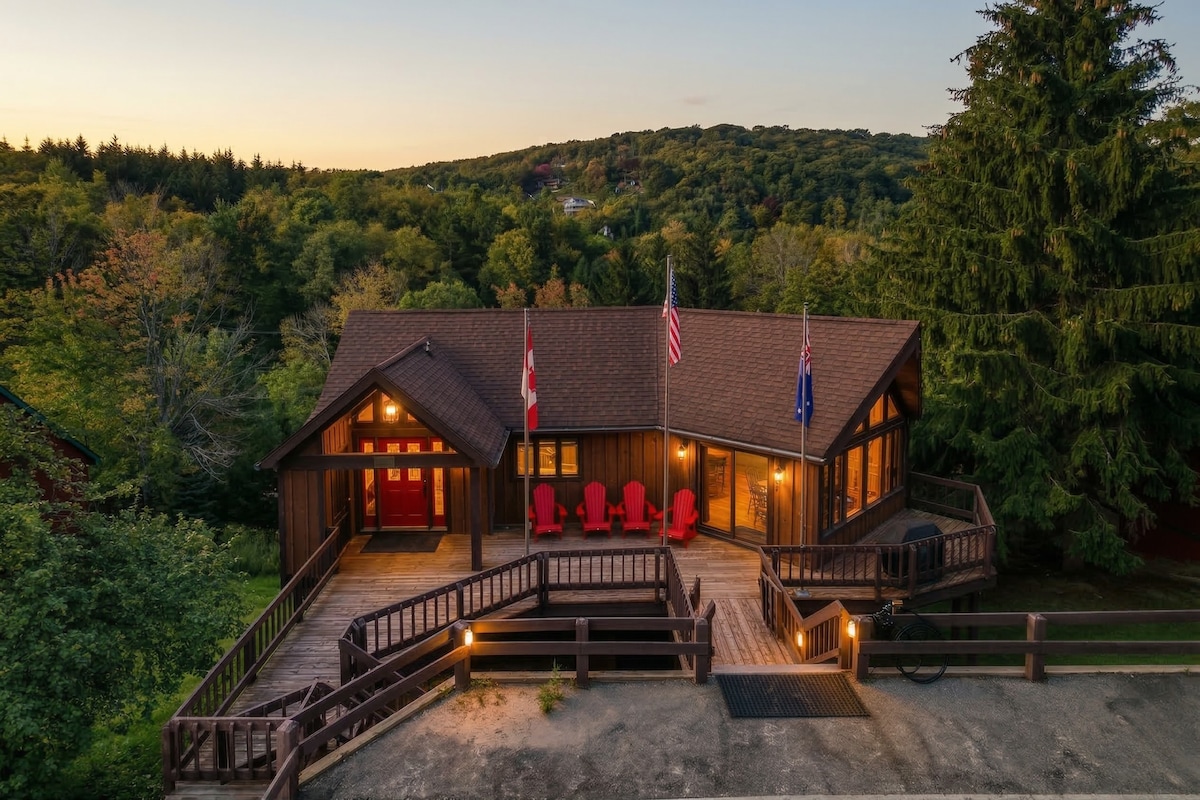
The cards below retain their actual property-record towns: Ellicottville, New York, and Port Burwell, Canada. They do not identify a home as being in Cayuga Lake or establish another property’s location, condition, approvals, or operating readiness.
Local questions
No. Cayuga Lake extends through Tompkins, Cayuga, and Seneca Counties and has shoreline towns in each. Confirm intended use for the particular parcel with the relevant city, town, or village planning, zoning, or code-enforcement office; county tax registration does not answer that land-use question.
The City’s program requires an operating permit before advertising and has primary-residence and other eligibility conditions. Confirm the City process, property configuration, Certificate of Compliance status, local-contact requirement, and tax obligations directly with the City; its guidance does not apply elsewhere around Cayuga Lake.
Start with the parcel’s municipality and zoning district, proposed-use process, and applicable certificates or inspections. Then confirm county and State tax responsibilities and review the home’s access, parking, systems, safety items, service contacts, and seasonal-care needs using verified property details.
No. Tompkins, Cayuga, and Seneca Counties publish occupancy-tax information, but registration does not replace municipal zoning, permit, or code confirmation. New York State sales-tax guidance may also apply. Ask the relevant municipal and tax authorities how current requirements apply to the arrangement.
Once property-specific questions are being addressed with the proper authorities, a co-hosting discussion can review the home’s setup and the owner’s preferred role. The parties can define responsibilities for listing information, guest communication, turnovers, property care, maintenance, reporting, and approvals before reservations depend on the arrangement.
Owner inquiry
Tell us about the property, its setup, and the support you are considering. We begin with the home and your goals, while recognizing that local use, permit, inspection, tax, and site questions need property-specific confirmation from the appropriate authorities. An early conversation can identify verified information, open questions, and a practical division of responsibilities to explore.
Regional context
Niagara is our home base, and we also consider select management and investment opportunities elsewhere. Our Niagara hub explains the local markets we currently focus on in Ontario.