
Ellicottville, New York
4BR Chalet on Holimont: Views-Hot Tub-Home Theater
Personally owned and managed by us
4.89 (218 reviews)
View listingWhy this market
New York State identifies Chautauqua Lake as western New York’s largest inland lake, with north and south basins divided by Bemus Point. It identifies Long Point State Park, Prendergast Point Launch, Midway State Park, Bemus Point Launch, and fish-and-wildlife-management-area shore access. These points do not establish a home’s proximity, access, or amenities. Guest information should distinguish public facilities from property features.
The region offers year-round outdoor and cultural context. State materials describe fishing and ice fishing subject to conditions and regulations, while the visitor bureau presents boating, hiking, cycling, beaches, trails, camping, and winter activities. Chautauqua Institution publishes summer assembly and visitor guidance. For an individual home, this supports clear communication about arrival, parking, sleeping layout, outdoor setup, and house guidance—not promises the property cannot support.
A practical operating plan starts with verified details. Access procedures, service contacts, waste arrangements, heating or cooling, exterior lighting, and seasonal property care can be discussed in relation to the home’s condition. Listing details and pre-arrival communication set expectations. The aim is care routines that suit the property and the owner’s preferred role.
Local rules
Chautauqua Lake is not a single municipal jurisdiction. The New York State Department of Environmental Conservation identifies five towns touching the lake, and the state-approved Chautauqua Lake Local Waterfront Revitalization Program includes those towns plus the Villages of Bemus Point, Celoron, Lakewood, and Mayville. Waterfront planning does not replace the zoning or use decision for the parcel’s municipality and district. Establish the tax-map parcel, town or village boundary, and zoning district, then ask the applicable code-enforcement or zoning office how the intended use is classified.
Official materials show why this distinction matters. In the Town of Ellery, a dwelling rented for less than 28 days is transient/commercial use, with district-specific restrictions and a Vacation Rental Permit process. In the Village of Lakewood, short-term rentals are limited to districts in its use table and require annual special-use approval. These municipality-specific examples are not rules for every location around the lake. Do not substitute another community’s process or a market-level page for local direction.
Property conditions may need separate review from the rental-use question. Depending on the site, confirm lakeshore or floodplain provisions, water and sewage, parking, buildings or accessory structures, docks, safety requirements, alteration permits, and private covenants or association rules. Chautauqua County publishes occupancy-tax resources and Environmental Health information; New York State provides short-term-rental sales-tax and Uniform Code guidance. Those resources inform questions to the proper authorities, but do not resolve a municipal determination for a particular home.
Review New York State DEC’s Chautauqua Lake informationWhat we handle
After the owner has obtained property-specific direction on intended use, we can discuss hospitality support around the home’s condition and owner decisions. Scope is considered property by property, not assumed from the destination.
A careful process focuses on clear information, property readiness, and an agreed division of work. Municipal, tax, safety, and property-specific determinations remain with the relevant offices and qualified advisers.
Co-hosting explained
Co-hosting can be a collaborative arrangement in which an owner keeps chosen decisions while an operating partner supports selected guest-facing and property-operating tasks. It can include listing administration, guest communication, turnovers, property checks, maintenance follow-up, and owner reporting. Define who handles each responsibility before a guest depends on it.
The scope depends on the home and the owner’s involvement. We would first review the setup, access, service contacts, systems, property-care needs, and approvals the owner wishes to keep. That conversation can clarify whether limited coordination, a launch plan, or ongoing operations are practical to explore, while identifying information still needing confirmation.
For a Chautauqua Lake-area inquiry, local confirmation remains separate from hospitality planning. The owner should work with the applicable town or village and other relevant authorities on the proposed use, site conditions, and required steps. The operating conversation can then focus on accurate guest information, readiness between stays, communication standards, and the home’s characteristics.
Nearby homes
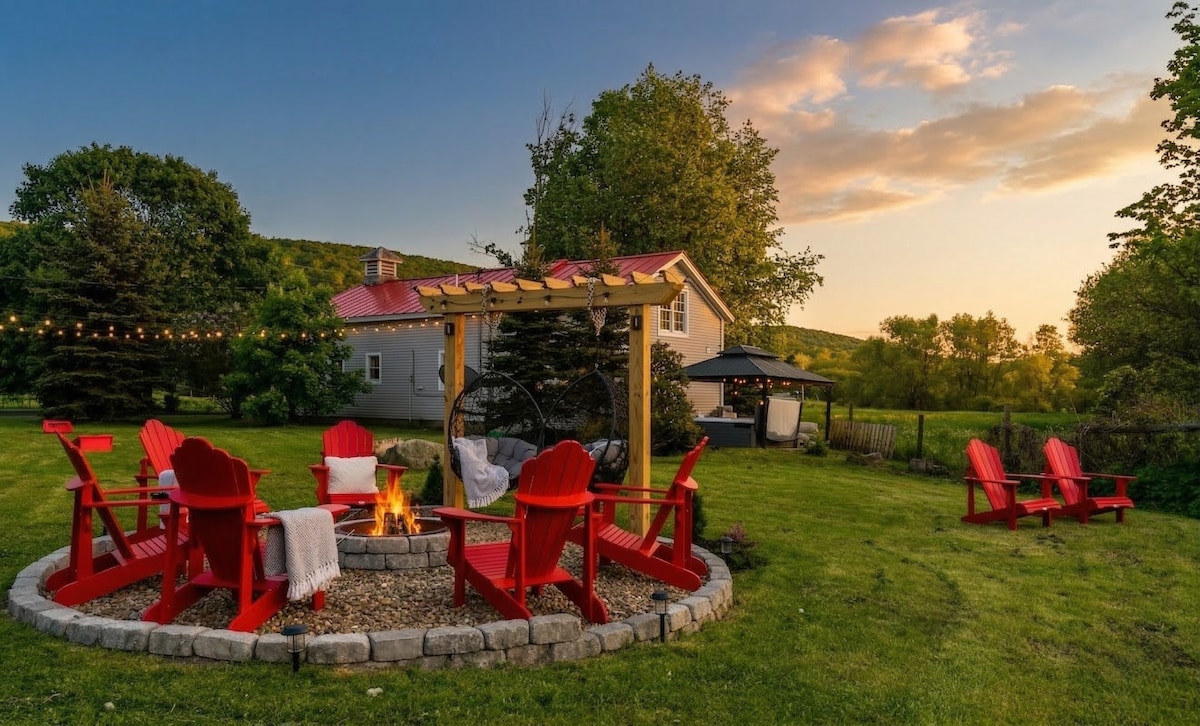
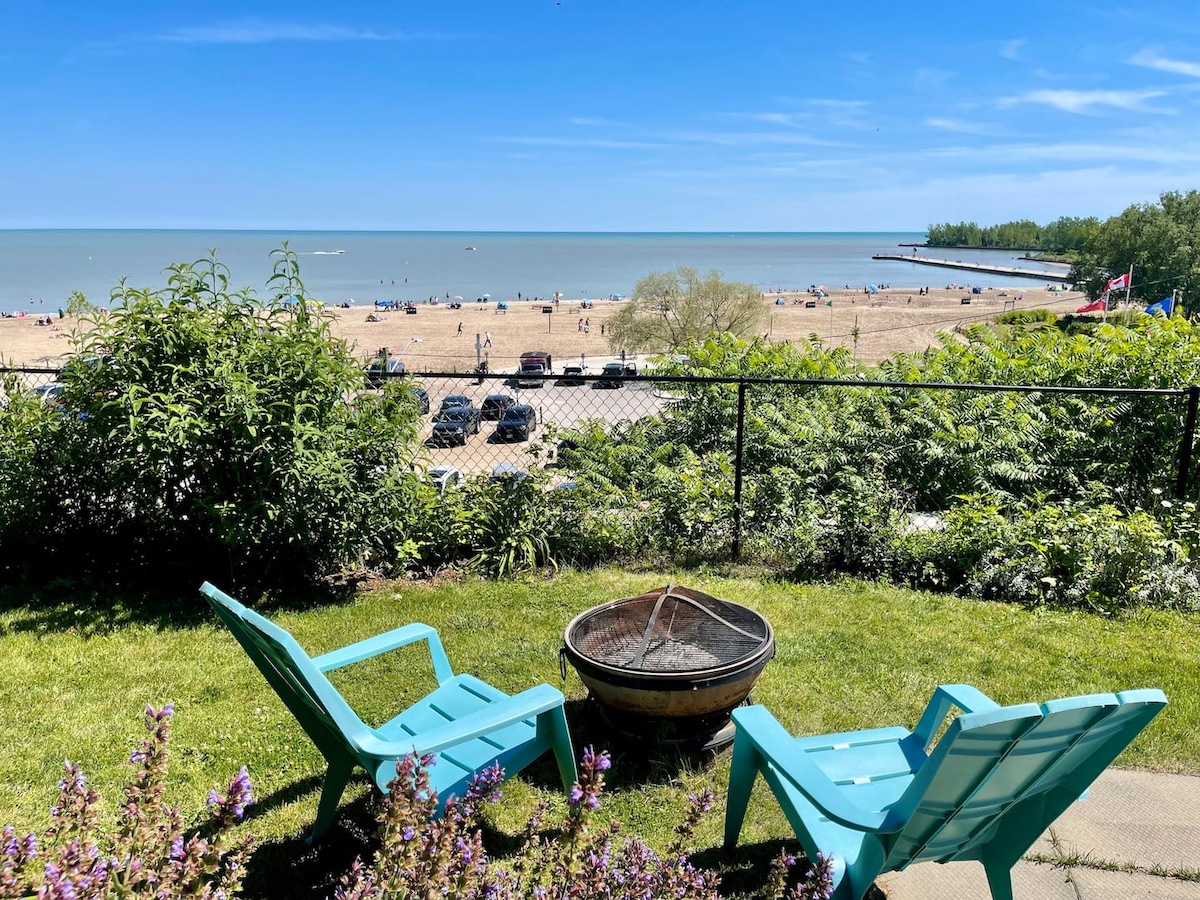
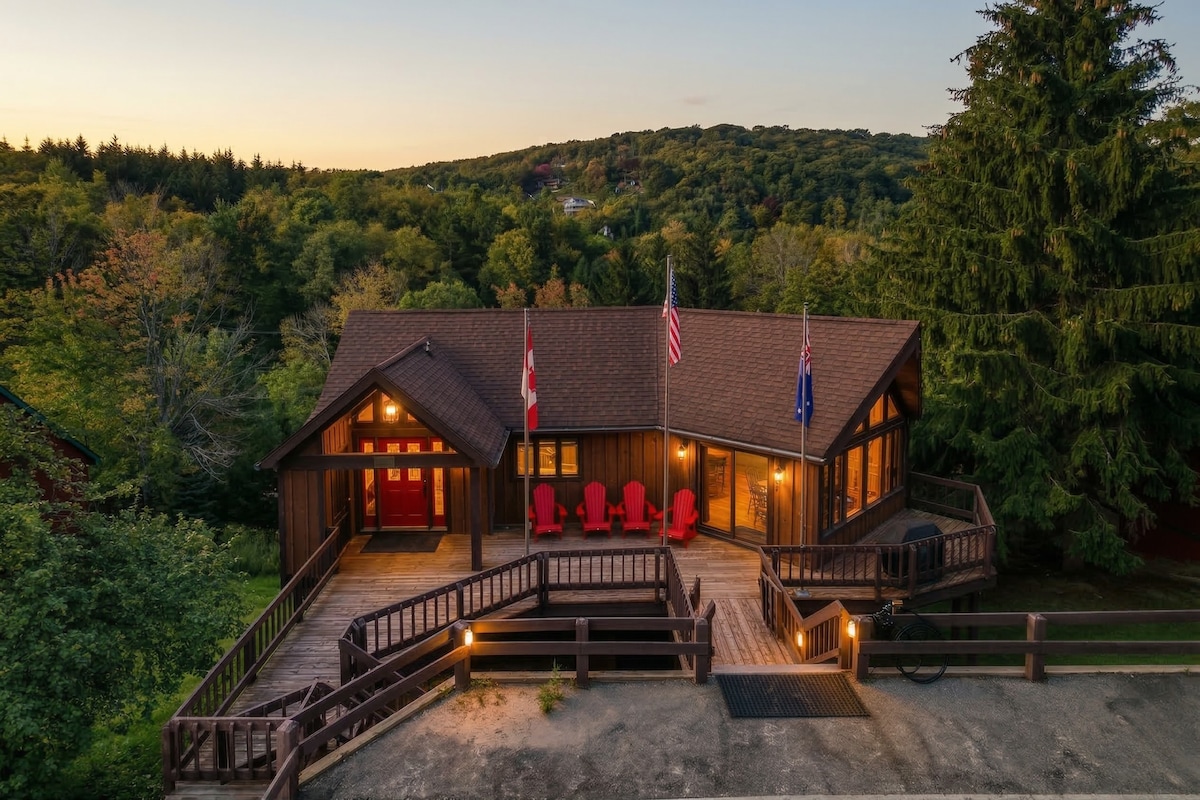
These portfolio references are shown with their current property-record towns: Ellicottville, New York, and Port Burwell, Canada. Their inclusion does not identify a home as being on Chautauqua Lake or determine another property’s location, condition, approvals, or operating readiness.
Local questions
No lakewide conclusion should be made from this page. Chautauqua Lake touches five towns, and the wider waterfront program includes several villages. Direction depends on the municipality, zoning district, proposed use, and property conditions. Confirm the parcel and intended use with the code-enforcement or zoning office.
Begin with the parcel’s town or village boundary and zoning district, then ask the local office about the proposed use and any permit or inspection process. Also review parking, water or sewage, floodplain or lakeshore context, buildings or accessory structures, safety requirements, private restrictions, and applicable county or state obligations.
No. Ellery’s Vacation Rental Permit materials and Lakewood’s short-term-rental rules describe their own municipal processes. They show why an address-specific review matters, but do not classify a property in another town or village around Chautauqua Lake.
After the owner is pursuing property-specific confirmations, a co-hosting conversation can review the home’s setup and preferred owner role. The parties can define responsibilities for listing details, guest communication, turnovers, property care, maintenance coordination, reporting, and approvals based on verified information.
Owner inquiry
Tell us about the property, its setup, and the operating support you are considering. We begin with the home and owner goals, while recognizing that local land-use, permit, safety, tax, and site questions need property-specific confirmation from appropriate authorities. An early conversation can identify what is ready, what still needs verification, and what division of responsibilities may be practical to discuss.
Regional context
Niagara is our home base, and we also consider select management and investment opportunities elsewhere. Our Niagara hub explains the local markets we currently focus on in Ontario.