Ellicottville, New York
4BR Chalet on Holimont: Views-Hot Tub-Home Theater
Personally owned and managed by us
4.89 (218 reviews)
View listingWhy this market
Cattaraugus County Tourism identifies several West Valley community features, including public Cattaraugus Creek access at Old Blue Bigelow Bridge, the Ashford Historical Society Museum, a fire-hall event facility, and a falconry business. These are useful pieces of local context for guest information. They do not establish access from a particular home, condition, availability, or the suitability of any lodging use.
Outdoor plans can be dependent on current conditions. The County’s tourism information says snowmobile trails open only when conditions allow and directs riders to verify current trail status. That reinforces a straightforward communications approach: describe the home as it is, distinguish public information from private amenities, and point guests toward current official sources when conditions or schedules matter.
The federal West Valley Demonstration Project is also part of the hamlet’s public context. The U.S. Department of Energy describes it as an ongoing effort involving waste solidification and facility decontamination and decommissioning. It should not be represented as an amenity, an access right, or a parcel-specific restriction. A listing and arrival plan should remain focused on verified home details and current public information relevant to the stay.
Local rules
West Valley is governed locally through the Town of Ashford rather than a separate West Valley municipality. Ashford publishes Code Enforcement Officer contact information, building-permit materials, and a fire-inspection fee schedule. Those resources demonstrate a code-enforcement channel; they do not decide whether overnight or transient use is allowed at any particular parcel. Before listing, renovating, changing occupancy, or making operational plans, an owner should seek a current, documented answer from the Town for the exact property.
The Town’s published local-law archive does not identify a law specifically titled short-term rental, vacation rental, hotel, or lodging, and a 2020 county planning annex recorded that Ashford had a building code but no zoning code at that time. Neither point establishes that a present-day requirement or restriction is absent. Rules, interpretations, parcel conditions, private covenants, and required approvals can change or differ by site, so a general archive or older planning document is not a substitute for Town confirmation.
Cattaraugus County’s occupancy-tax page says establishments providing overnight lodging are subject to a county occupancy-tax process, including separate registration for each location. New York State separately publishes sales-tax guidance for hotel and short-term-rental occupancy. Tax administration does not establish local land-use approval. The owner should confirm the current registration, collection, filing, building-code, fire-safety, water, wastewater, parking, insurance, and other applicable requirements with the appropriate authorities and advisers.
Review Town of Ashford Code Enforcement informationWhat we handle
After the owner has checked the questions that apply to the property, we can discuss hospitality work matched to its real setup and the owner’s preferred role.
The aim is an orderly, property-led process: clear information for guests, practical coordination behind the scenes, and decisions anchored in the home’s current condition.
Co-hosting explained
Co-hosting can organize agreed guest-facing and property-operating work while the owner retains the decisions they choose to keep. Depending on the scope, that work can include listing administration, guest communication, turnover coordination, property checks, maintenance follow-up, and reporting. The important early step is identifying who is responsible for each part before a guest relies on it.
A useful conversation starts with what is already in place: the home’s access, systems, sleeping arrangement, outdoor areas, service contacts, and owner involvement. It also identifies any work needed to make guest information accurate. That review can distinguish a limited coordination role from a broader operating plan without assuming that every property needs the same process.
For a West Valley property, municipal and site-specific questions should remain with the proper Town, county, state, and professional sources. Hospitality planning does not replace that review. Once those questions are being addressed, the operating discussion can focus on clear arrival information, readiness between stays, escalation paths, and a communication rhythm suited to the home.
Nearby homes
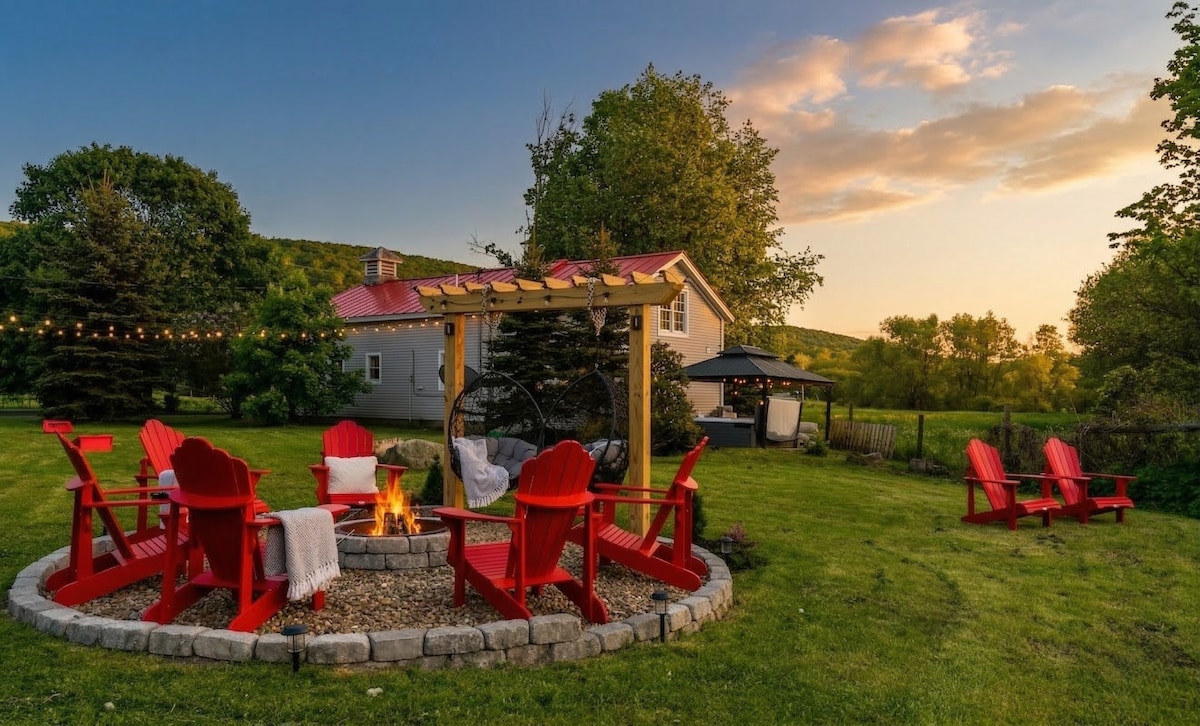
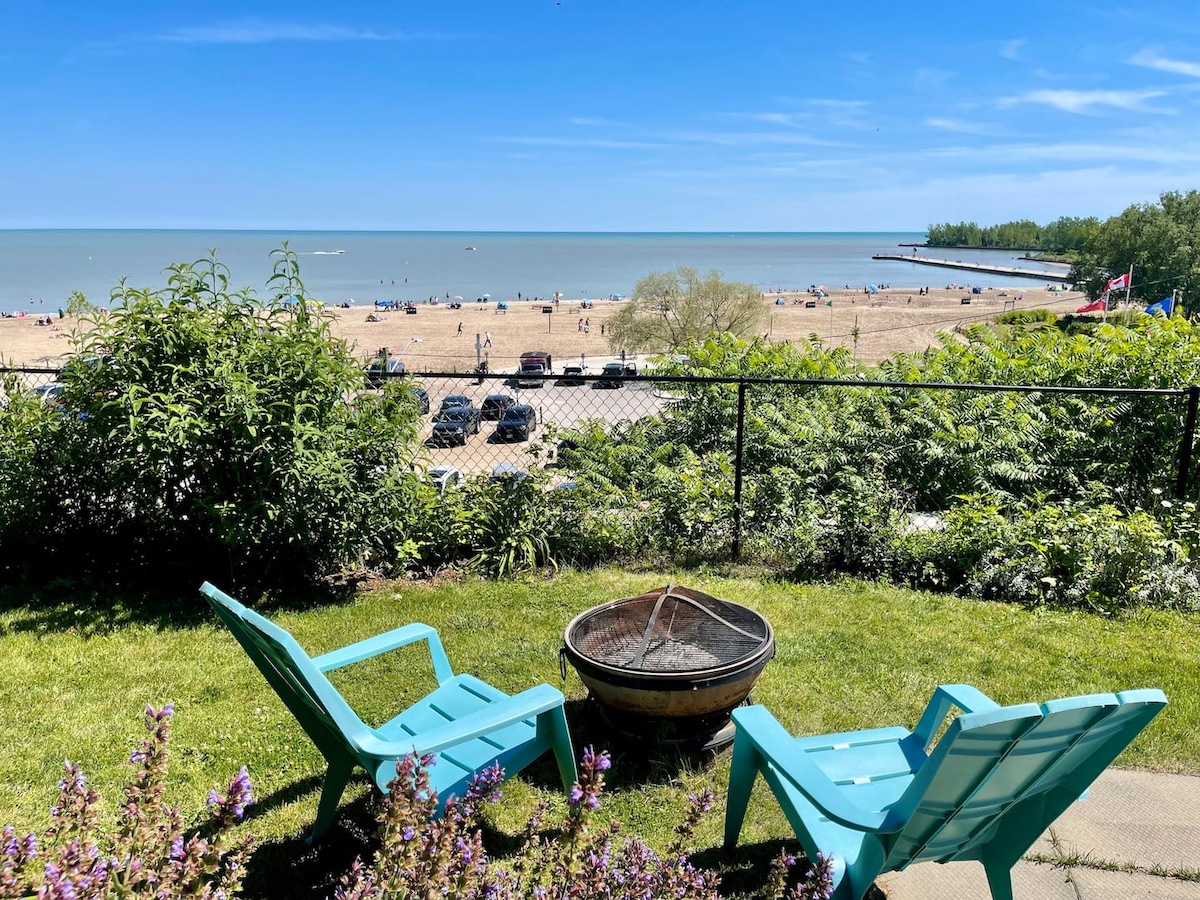
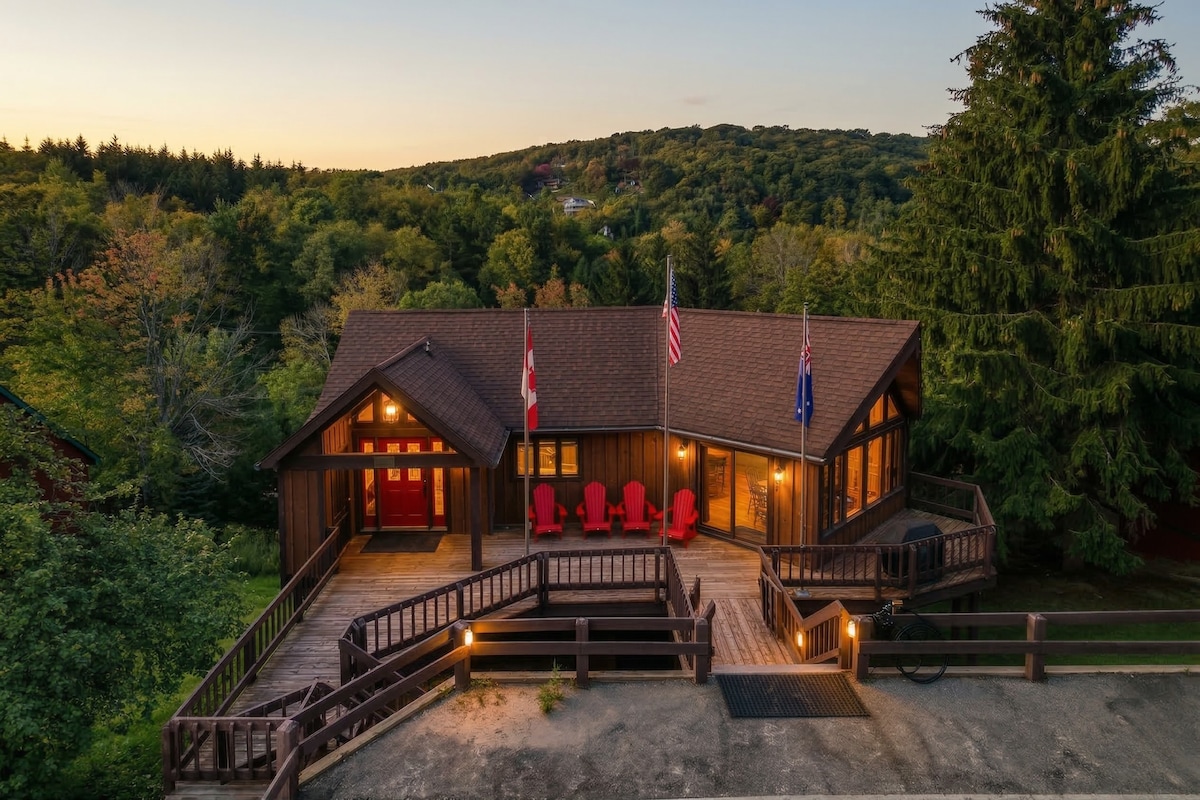
The cards below retain the current property-record locations: Ellicottville, New York, and Port Burwell, Canada. Their gallery captions use those same real town labels, keeping portfolio references distinct from the West Valley service-area page.
Local questions
West Valley is a hamlet in the Town of Ashford. The Town’s Code Enforcement Officer and Town office are the appropriate starting points for a current, parcel-specific question about proposed use, permits, inspections, occupancy changes, or applicable local conditions. A general market page cannot make that determination.
No. The published archive is useful background, but it does not replace a current answer for the exact parcel. The archive’s lack of a law with a particular title is not proof that a requirement, restriction, approval, or site condition does not apply. Confirm current requirements directly with the Town.
No. Cattaraugus County publishes an occupancy-tax process for overnight lodging, while New York State publishes separate sales-tax guidance for hotel and short-term-rental occupancy. The precise responsibilities can depend on the operation and booking arrangement, so the owner should confirm the current treatment with the County, State, platform, and qualified advisers.
Once the owner is addressing applicable property-specific requirements, the conversation can cover listing information, guest communication, arrival guidance, turnovers, property care, maintenance coordination, reporting, and the owner’s preferred approvals. The scope is shaped around the actual home and a clear division of responsibilities.
Owner inquiry
Tell us about the property, its current setup, the stay you are considering, and the operating support you want to explore. Include any questions already identified through Town, county, or state review. We begin with the home and your goals, identify information that needs confirmation, and discuss whether a practical hospitality scope fits the details.
Regional context
Niagara is our home base, and we also consider select management and investment opportunities elsewhere. Our Niagara hub explains the local markets we currently focus on in Ontario.