
Port Burwell, Canada
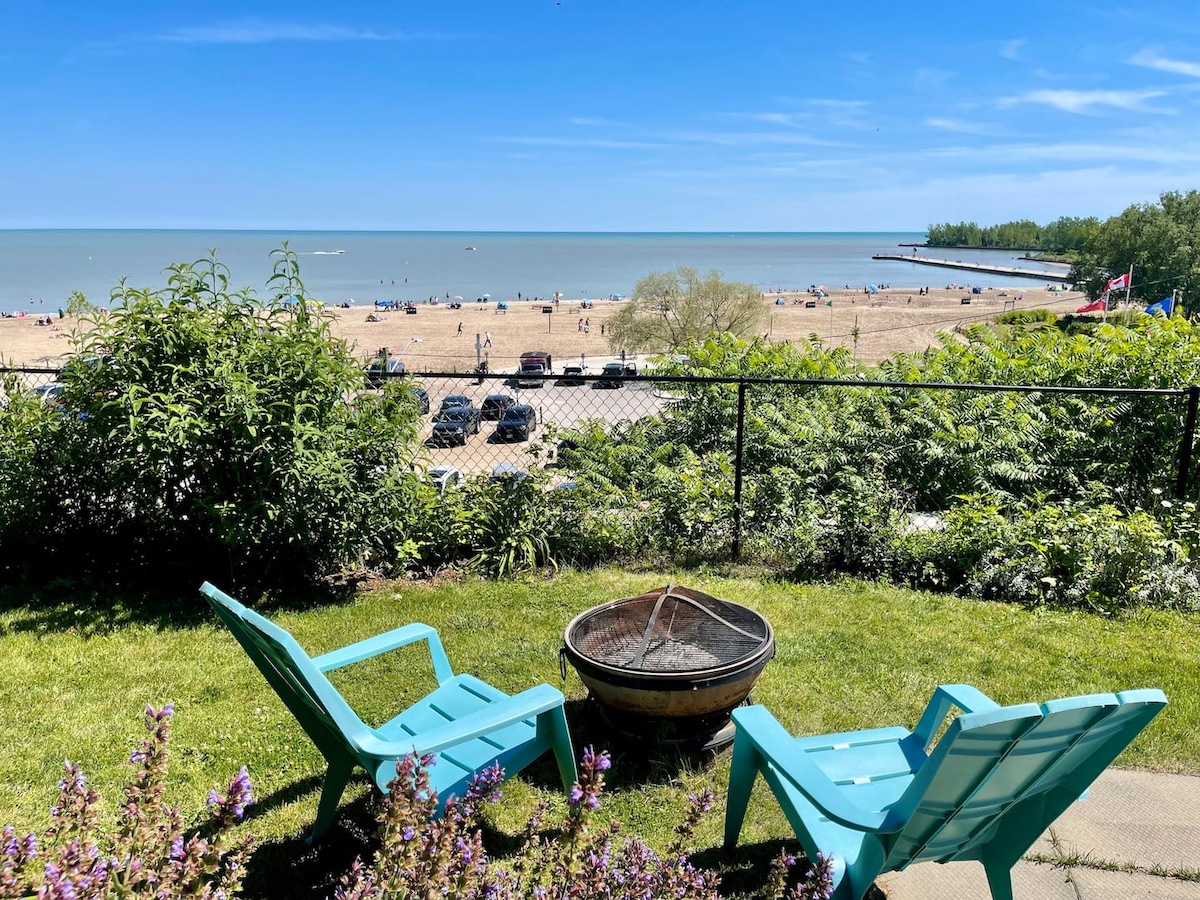
Peaceful Cottage on Lake Erie with Stunning Views!
Lake Erie · Peaceful setting · Lake views
View listingWhy this market
Victoria’s Beacon Hill Park includes footpaths, beach access, water views, recreation features, flower beds, natural areas, and the Mile 0 marker for the Trans-Canada Highway. These public details can inform an area guide, but do not describe a home’s access, features, safety, suitability, or permitted use.
The Capital Regional District manages regional parks and trails across southern Vancouver Island and the Gulf Islands, including the Galloping Goose and Lochside trails. Guest materials should separate a home’s layout, parking, access, rules, and safety information from public amenities and regulations checked from official sources.
A practical hospitality plan turns verified information into arrival instructions, access contacts, waste routines, emergency information, and maintenance escalation. Municipal notices, transportation changes, and events are reasons to keep area guidance current.
Local rules
Provincial registration is not a City of Victoria short-term-rental business licence. British Columbia’s framework applies to qualifying accommodation offered for fewer than 90 consecutive days, subject to statutory scope and exemptions. Victoria is listed among communities subject to the provincial principal-residence requirement. The ordinary provincial framework concerns the host’s principal residence and up to one secondary suite or accessory dwelling unit on the same property, subject to current rules and fact-specific exceptions. Registration is per unit and does not supply municipal permission or decide an address-specific result.
Local licensing is distinct and more restrictive for conventional City short-term rentals. The City defines a short-term rental as accommodation under 30 nights, requires a lawful City licence before advertising or operating, and limits the use to the operator’s principal dwelling unit. The City says the rental cannot occupy an entire self-contained dwelling unit. Its guidance describes a maximum of 160 calendar nights for renting the full principal unit while the operator is away, or no more than two bedrooms while the operator is at home. These rules do not establish that any home can be licensed.
For 30 to 89 consecutive nights, the City directs prospective operators to its long-term-rental licensing path, while the Province describes registration for stays under 90 consecutive days. Ask both authorities about the intended length and configuration before offering accommodation. A booking of 90 days or more falls outside the stated provincial short-term-rental scope but may still raise City licensing, tenancy, zoning, or other questions.
The City’s application materials call for residence evidence, confirmation that the space is in the principal dwelling unit, owner consent, and strata consent where applicable. Inspection and annual renewal may be relevant. Use VicMap and the applicable zoning bylaw for the parcel, review permit records and final occupancy where relevant, and seek written City clarification rather than relying on a neighbourhood label or another listing.
Review the City of Victoria short-term-rental requirementsWhat we handle
After independent review of applicable property facts and approvals, an operating conversation can focus on verified guest and property-care information. The scope follows the home and the decisions the owner retains; it does not replace regulatory review.
The aim is accurate information, clear handoffs, and practical coordination, not a determination or prediction.
Co-hosting explained
Co-hosting is an operating arrangement in which an owner and a support partner agree on guest-facing and property-care tasks. A documented scope may include listing administration, guest communication, arrival guidance, turnover coordination, property checks, maintenance follow-up, and owner reporting. Roles, approval points, emergency contacts, and escalation steps should be clear before guests depend on the arrangement.
The scope should be built from verified property facts. Access, parking, exterior care, supplies, waste procedures, safety information, service contacts, and the owner’s desired involvement affect the plan. A focused discussion separates tasks ready to coordinate from information that still needs confirmation.
For a Victoria address, co-hosting remains separate from provincial registration, City licensing, zoning, permits, strata bylaws, tenancy terms, insurance, and other owner obligations. It cannot determine principal-residence status, obtain a licence, establish an exemption, or make a dwelling eligible. If the configuration, intended stay length, or approvals change, revisit the applicable requirements with the responsible authorities and advisers.
Nearby homes
The reference cards below retain each listing’s actual town. They are included only as location-labelled examples and do not state that a home is in Victoria, establish a property’s location or condition, or indicate licensing, registration, zoning, readiness, or suitability for another address.
Local questions
No. They are separate processes. Provincial registration can apply to qualifying stays under 90 consecutive days, while the City requires a lawful short-term-rental licence for accommodation under 30 nights. Neither process replaces the other or determines a property-specific outcome.
No. It cannot determine principal-residence or self-contained-unit status, zoning, permits, final occupancy, owner authority, strata consent, insurance, licence issuance, registration, exemption, or another address-specific result. Review the exact documentation and obtain current guidance before offering accommodation.
Ask the City about its long-term-rental licensing path and ask the Province about registration for the proposed stay length and unit. The frameworks use different thresholds, so the address, configuration, and activity need to be reviewed together.
It can define agreed tasks such as guest communication, listing administration, turnovers, property checks, maintenance follow-up, reporting, and urgent-issue escalation. It does not replace City licensing, provincial registration, or legal, tax, insurance, strata, tenancy, or safety review.
Owner inquiry
Tell us about the Victoria property, its documented setup, the proposed use, and the operating support you are considering. This inquiry begins a property-focused conversation; it is not a representation about eligibility, approval, registration, licensing, or a future operating arrangement. City licensing, provincial registration, zoning, permits, principal-residence status, strata or tenancy terms, insurance, and other obligations require independent, address-specific confirmation.
Regional context
Niagara is our home base, and we also consider select management and investment opportunities elsewhere. Our Niagara hub explains the local markets we currently focus on in Ontario.