Ellicottville, New York
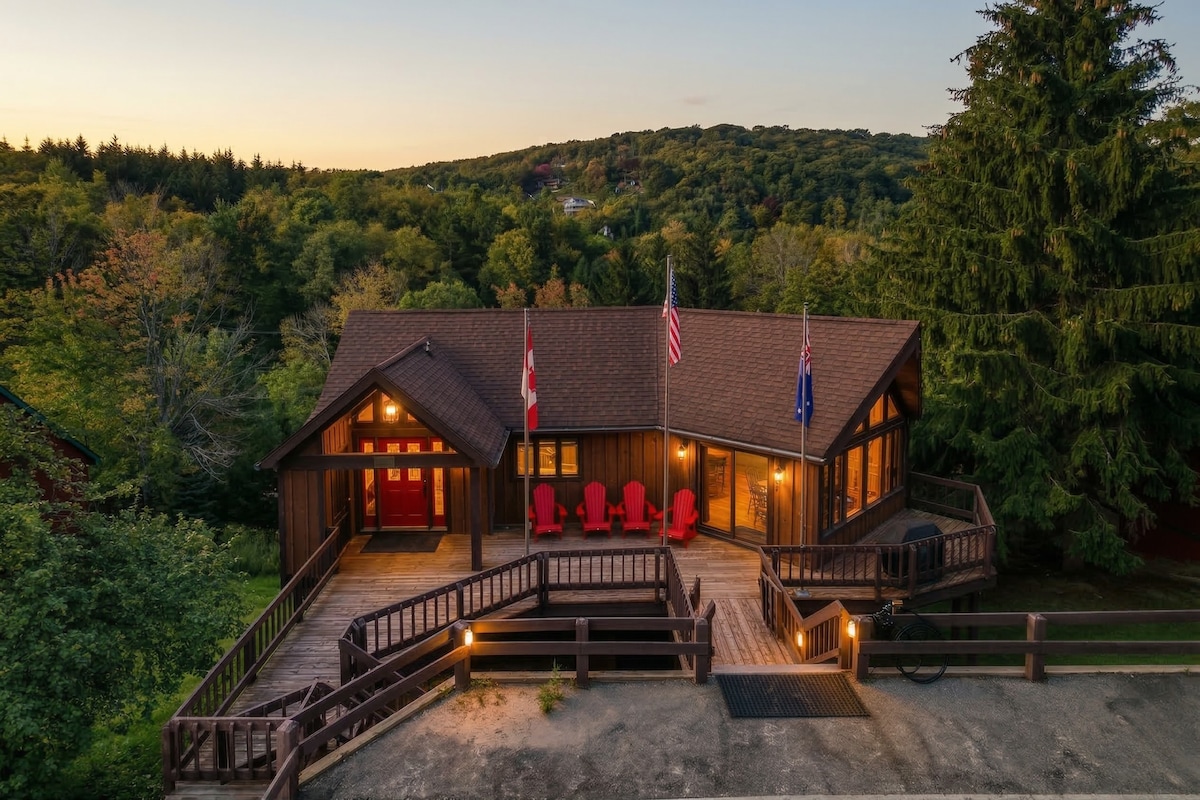
4BR Chalet on Holimont: Views-Hot Tub-Home Theater
Personally owned and managed by us
4.89 (218 reviews)
View listingWhy this market
Seneca Falls has public places that can inform guest information without becoming promises about a home. The National Park Service interprets the first Women’s Rights Convention, and the Town describes People’s Park as a Cayuga-Seneca Canal greenspace. Use these as optional local context, not as a home amenity, view, or access feature unless verified for the property.
Seasonal details deserve the same care. Cayuga Lake State Park publishes separate operating windows for swimming, boating, camping, and cabins, and Town event dates can change. Guest material can direct visitors to responsible agencies for current conditions, hours, parking, and event information without promising an activity, facility, or event.
Arrival, parking, sleeping, outdoor-use, waste, emergency, and seasonal-care guidance should reflect the real home. A property-first process keeps the listing distinct from nearby public attractions.
Local rules
The Town of Seneca Falls states that a short-term-rental permit is required before operation. Its code defines a short-term rental as occupancy of a single-family residential premises for no more than 30 days on two or more occasions within six months. Public materials address an application, responsible party and 24-hour emergency contact, posting, Good Neighbor Guidelines, annual renewal, and material-information updates. Confirm the current application, fee, term, renewal date, and operating requirements directly with Town Zoning & Code Enforcement.
Town code addresses occupancy, on-site parking, wastewater, fire protection, building maintenance, noise, and lawful sleeping areas. Statements about where rentals may be allowed do not replace parcel-level review. Before advertising or accepting reservations, ask the Town to confirm jurisdiction, zoning district, any overlay or historic-district consideration, and whether the proposed use, parking, occupancy, wastewater arrangement, or planned work needs another approval.
A lodging permit is separate from building and tax questions. For applicable alterations, repairs, changes of use, signs, decks, or added spaces, Seneca County directs applicants to obtain the relevant Town or Village zoning or land-use permit before County building-permit review. Confirm occupancy-tax registration, collection, records, and filings with the County Treasurer. A platform or operating partner does not substitute for direct review of current responsibilities.
Review Town of Seneca Falls short-term-rental informationWhat we handle
After an owner has direction on intended use, we can discuss hospitality support that fits the home’s condition and the owner’s preferred role. The scope starts with verified facts, not a preset package.
The aim is an orderly, property-led process: accurate guest information, practical coordination between stays, and decisions grounded in the home’s condition. Municipal, code, tax, and property-specific determinations remain with authorities and qualified advisers.
Co-hosting explained
Co-hosting lets an owner retain chosen decisions while an operating partner supports agreed guest-facing and property-operating work. Depending on the arrangement, responsibilities can include listing administration, guest communication, turnovers, property checks, maintenance follow-up, and owner reporting. A written division of responsibilities should precede guest reliance on any part of the arrangement.
The scope depends on the home and owner involvement. We consider setup, access, service contacts, systems, property-care needs, and approvals the owner retains. That discussion can clarify whether limited coordination, a launch plan, or ongoing support is practical, and who communicates with vendors and the municipality.
For a Seneca Falls inquiry, municipal confirmation remains separate from hospitality planning. The owner should obtain Town direction on the proposed use and property conditions and keep approvals and operational obligations current. The operating discussion can focus on verified listing information, readiness between stays, and a communication rhythm that fits the home.
Portfolio references
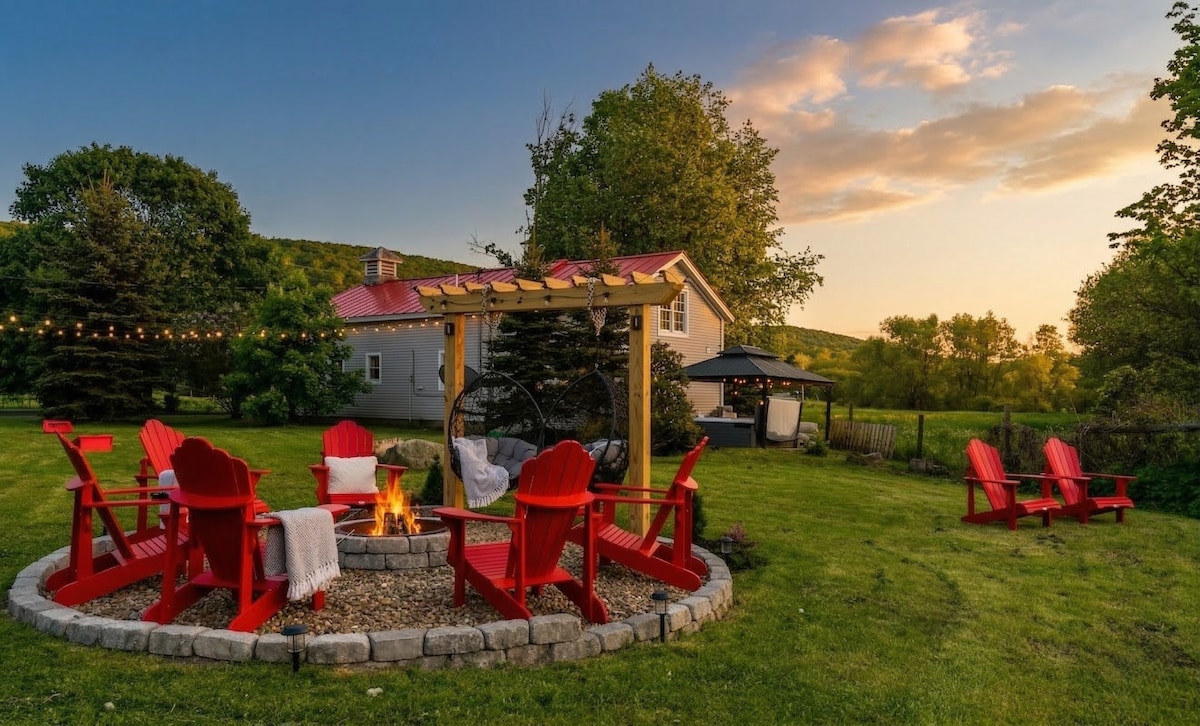
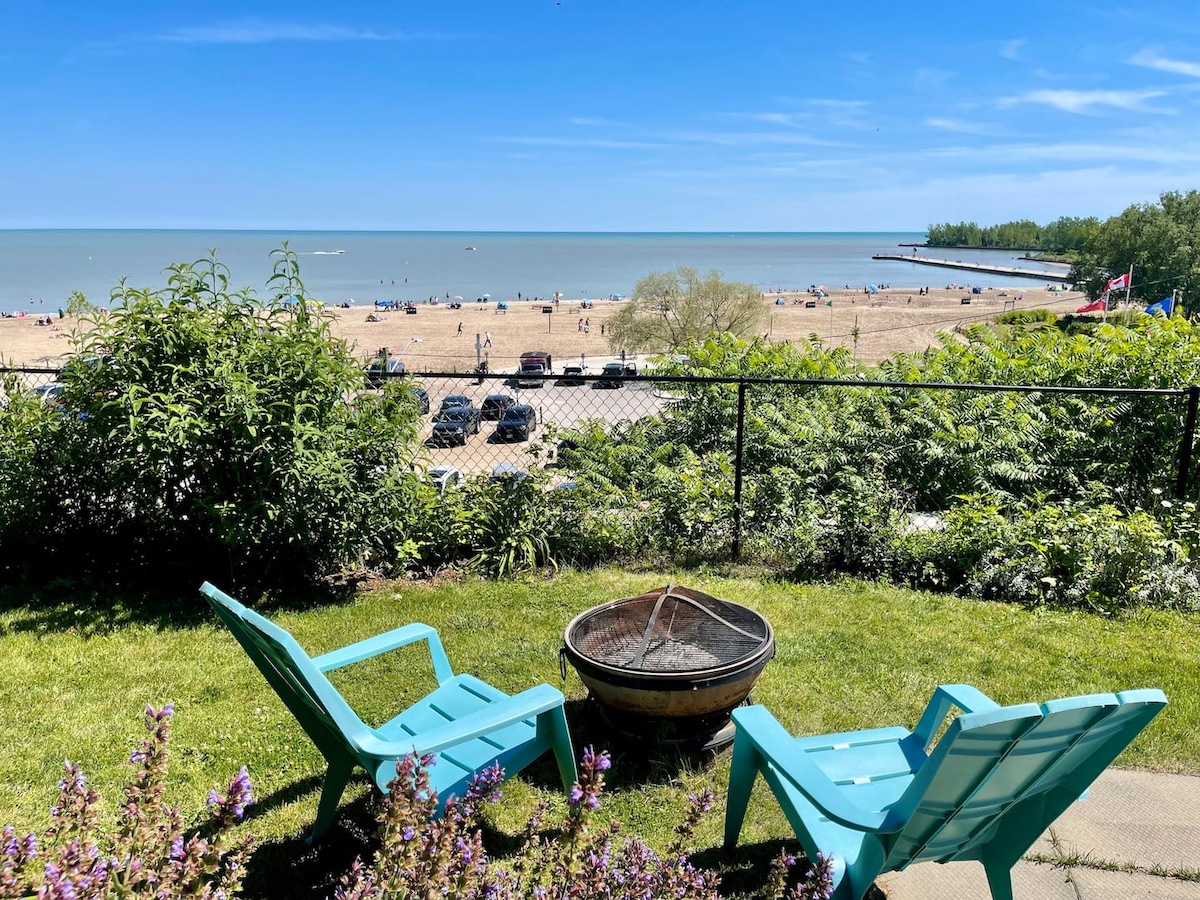
These portfolio references preserve their property-record towns: Ellicottville, New York, and Port Burwell, Canada. They provide context only and do not establish another property’s location, condition, municipal approval, or readiness.
Local questions
The Town’s short-term-rental materials state that a permit is required before operation. The owner or owner’s agent should use the current Town application and confirm the exact property’s zoning, use, conditions, fees, application materials, and renewal obligations with Town Zoning & Code Enforcement before listing or booking.
Start with the tax parcel and municipal boundary, then confirm zoning, any overlay or historic-district status, the proposed-use path, sleeping-area and occupancy rules, parking, wastewater, fire and life-safety conditions, and any permits for planned work. A canal, lake-area, or Seneca Falls mailing address does not replace confirmation of the governing municipality.
No. Town short-term-rental approval, Town zoning or land-use review, County building permits for applicable work, and Seneca County occupancy-tax registration are separate subjects. The owner should confirm each with the relevant office and should not treat a listing, platform process, or third-party operating arrangement as a substitute for official direction.
Once the owner is pursuing property-specific municipal confirmation, a co-hosting conversation can review the home and the owner’s preferred role. The parties can define responsibilities for listing details, guest communication, turnovers, property care, maintenance coordination, reporting, and approvals before reservations depend on the arrangement.
Do not apply Seneca Falls guidance to a Romulus parcel. Public materials reviewed for Romulus do not establish a current adopted short-term-rental ordinance, but that is not approval to operate. Before advertising, accepting bookings, or making conversion expenditures, obtain written confirmation from the Romulus Code/Zoning Enforcement Officer of the current zoning district, proposed-use classification, and required approvals for the exact parcel.
Owner inquiry
Tell us about the property, its current setup, and the operating support you are considering. We begin with the home and owner goals while recognizing that zoning, intended use, permits, safety, tax, and site conditions require property-specific confirmation from the appropriate authorities. An early conversation can identify what is ready to discuss, what remains to be verified, and what division of responsibilities may be practical.
Regional context
Niagara is our home base, and we also consider select management and investment opportunities elsewhere. Our Niagara hub explains the local markets we currently focus on in Ontario.