Ellicottville, New York
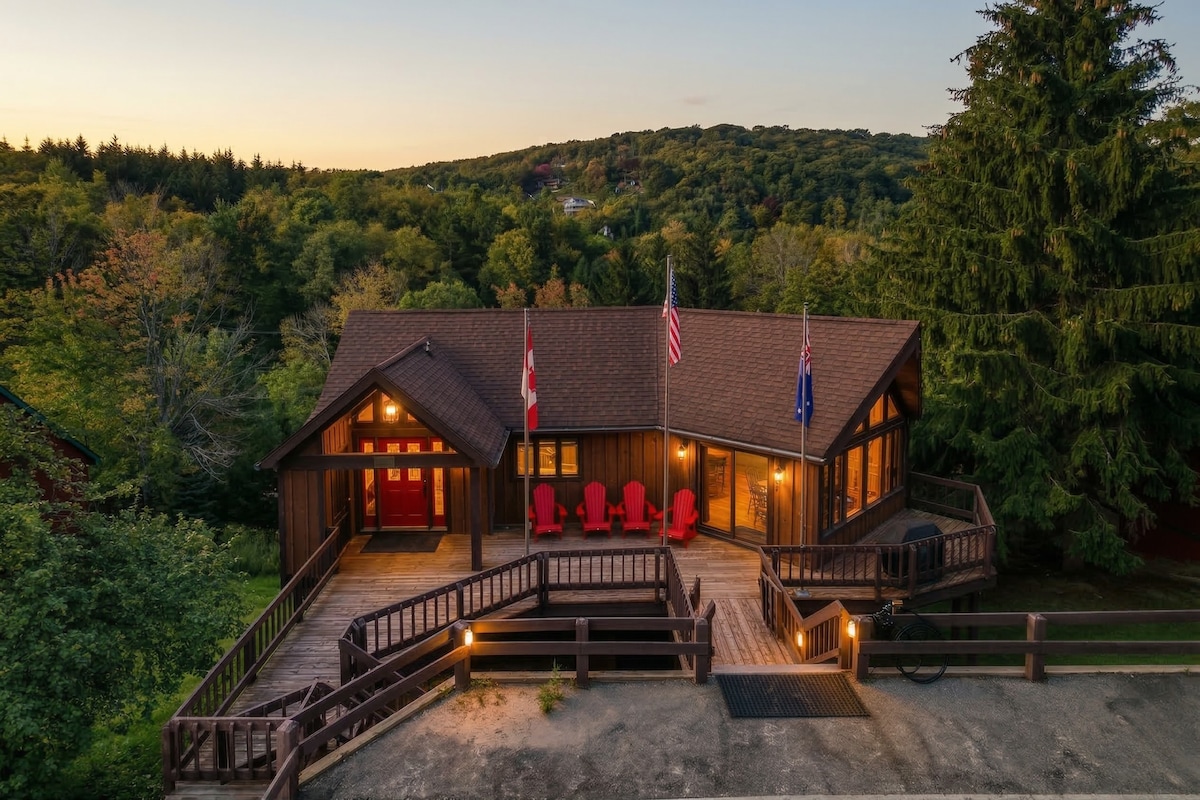
4BR Chalet on Holimont: Views-Hot Tub-Home Theater
Personally owned and managed by us
4.89 (218 reviews)
View listingWhy this market
New York State’s Department of Environmental Conservation identifies Rushford Lake as a 585-acre reservoir with 5.3 miles of shoreline in the Towns of Rushford and Caneadea. Public materials identify angling access at Balcom Beach and Caneadea Dam and swimming at Rushford Lake Beach. These are local reference points, not a basis for assuming that a home has lake access, a view, or a particular amenity.
Summer and winter call for different information. DEC notes recreational boat traffic during summer and reports that the reservoir is drawn down about 40 feet each winter. It also identifies fishing opportunities and directs visitors to statewide regulations. Listing and arrival guidance should speak to the actual season, confirmed home features, and current public rules rather than present waterfront conditions as fixed.
The practical details matter as much as destination context. Parking, arrival instructions, exterior lighting, waste plans, sleeping configuration, service contacts, and house guidance should be described plainly. Grounding those details in what is actually in place helps guests make informed plans and gives an owner a basis for deciding what support is useful between stays.
Local rules
Rushford Lake spans two Towns, and the applicable land-use process depends on the parcel. Town of Caneadea’s revised land-use table addresses rental of dwellings under 30 days: it is a special use in Agricultural-Residential, permitted in Commercial-Residential, Rural Residential, and Single-Family Residential districts, and not permitted in Land Conservation. The Town’s published zoning map carries a 2016 date and says final applicability is decided through zoning-law processes. Request a written, property-specific determination from the zoning official rather than rely on a lake-area description.
Town of Rushford’s published zoning law does not use the terms short-term rental or vacation rental in the reviewed text. It treats listed lodging categories, including bed and breakfast, boarding house, motel/hotel, and tourist home, as special uses. The law also calls for an application to the Code Enforcement Officer when changing a building’s or lot’s use. That does not classify a whole-home rental; seek direction on the parcel, district, permits, and any certificate process.
Tax administration is separate from municipal land-use approval. Allegany County’s occupancy-tax law applies a 4% tax to the per-diem room rate of a hotel or motel as defined by the County and provides for operator registration and reporting. New York State also describes sales-tax treatment for short-term rental-unit occupancy. Confirm County registration, collection, and filing treatment, along with State sales-tax responsibilities or booking-service documentation, before accepting payment. Tax treatment or a county registry decision does not replace local zoning and code review.
Review New York State DEC’s Rushford Lake informationWhat we handle
After an owner has checked the proposed use and the requirements that apply to the property, we can discuss the hospitality work that fits the home and the owner’s preferred role. The scope begins with verified property information rather than a preset assumption.
The aim is an orderly, property-led process: practical coordination behind the scenes and guest-facing information tied to what the home can accurately offer.
Co-hosting explained
Co-hosting is a collaborative operating arrangement. An owner retains chosen decisions while an operating partner supports agreed guest-facing and property-care work, such as listing administration, guest communication, turnover coordination, maintenance follow-up, property checks, and reporting.
The useful division of responsibilities depends on the home’s real setup and the owner’s involvement. Before guests rely on a process, define who handles each handoff, how service issues are escalated, what information must be confirmed, and which decisions remain with the owner.
For a Rushford Lake opportunity, hospitality planning should follow—not substitute for—confirmation from the applicable Town and other appropriate authorities. Once an owner is addressing zoning, code, site, safety, and tax questions for the precise parcel, the operating discussion can stay focused on readiness, clear guidance, and a practical rhythm between stays.
Nearby homes
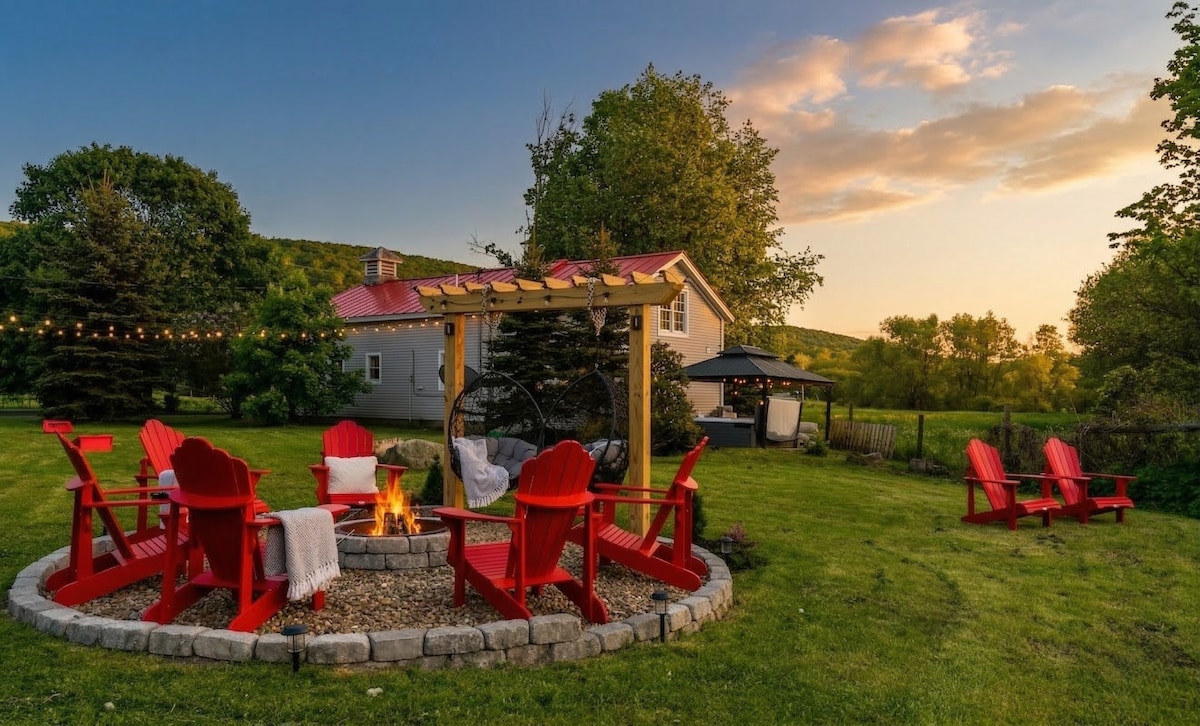
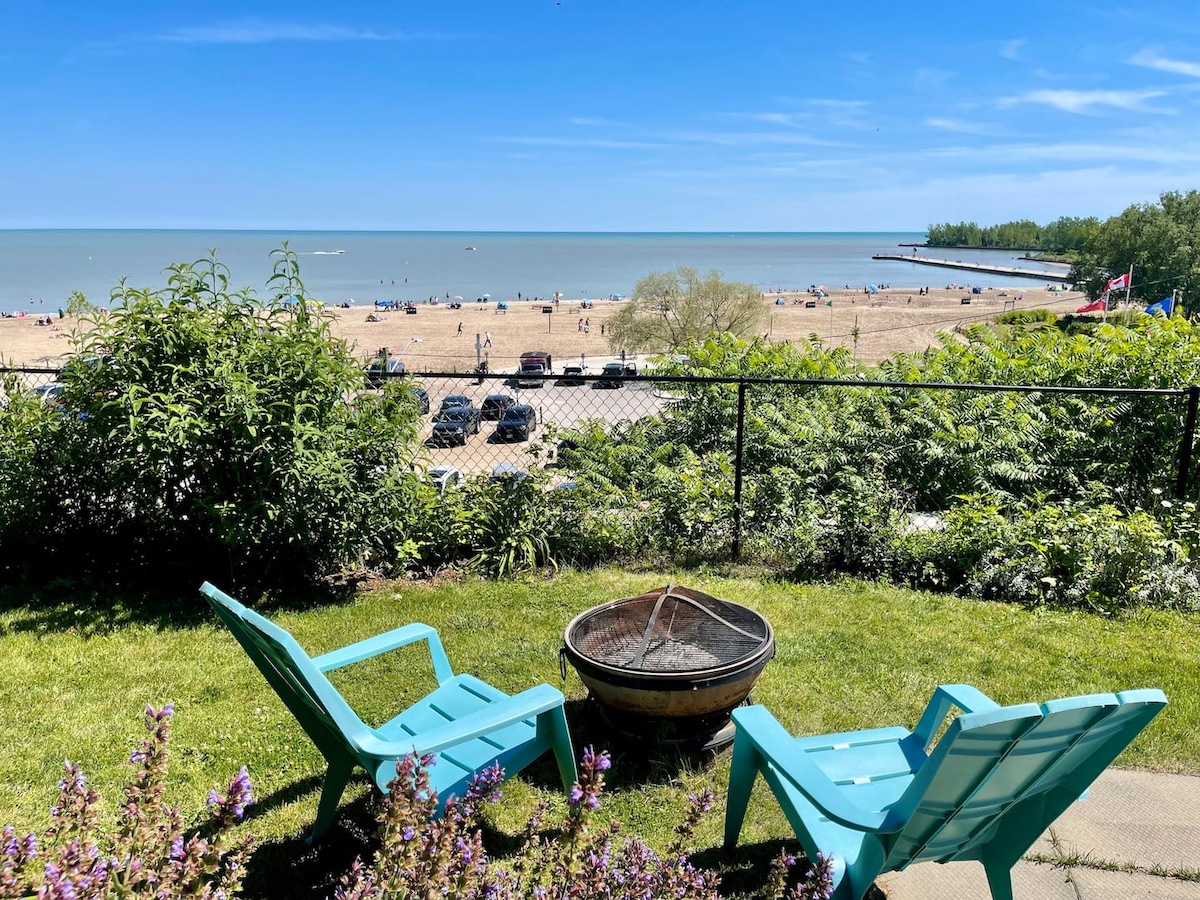
The homes below retain their property-record towns: Ellicottville, New York, and Port Burwell, Canada. They are nearby portfolio references only and do not establish the use, availability, readiness, or suitability of another property.
Local questions
The lake area lies in the Towns of Rushford and Caneadea, so the precise parcel determines which Town’s zoning or code process applies. Begin by confirming the tax parcel, municipal jurisdiction, current district or overlay, and proposed use with the applicable Town official in writing.
Yes. Caneadea’s revised land-use table has a specific row for rental of dwellings for periods under 30 days, with treatment that varies by district. Its published map and zoning materials do not replace a current, parcel-specific determination, so an owner should ask the zoning official how the proposed use is classified and what review is required.
The reviewed Rushford zoning text does not expressly label short-term rentals or vacation rentals. It lists several transient or lodging-related categories as special uses and requires Code Enforcement involvement for a change in building or lot use. The Town should determine how the exact property and proposed operation are treated.
Confirm the parcel’s Town, zoning district, relevant permits or approvals, code and safety requirements, access and septic considerations, and any deed, association, insurance, or Recreation District restrictions. Also confirm Allegany County occupancy-tax treatment and applicable New York sales-tax responsibilities. These checks are property-specific and separate from hospitality planning.
Owner inquiry
Tell us about the property, its current setup, and the support you are considering. We begin with the home and your goals while recognizing that municipal use, site, safety, tax, and property-specific questions need confirmation from the appropriate sources. A clear early conversation helps identify what is ready for coordination and what still needs verification.
Regional context
Niagara is our home base, and we also consider select management and investment opportunities elsewhere. Our Niagara hub explains the local markets we currently focus on in Ontario.