Franklinville, New York
Private Escape Near Ellicottville| Hot Tub•Scenic
Self check-in · Peace and quiet · At-home coffee
4.96 (51 reviews)
View listingWhy this market
Portland’s public visitor context includes the harbor, restaurants, arts, entertainment, galleries, theaters, museums, and music venues. These can inform a local guide, but they should not imply that a home has access to, is located by, or includes any of those experiences. A listing should describe only features, access arrangements, and house guidance confirmed for that home.
Maine’s Bureau of Parks and Lands publishes information for Mackworth Island, Crescent Beach, Kettle Cove, and Two Lights. Rules, fees, water conditions, pet rules, seasonal operations, and parking instructions can change. Guest materials can direct visitors to the relevant official resource and distinguish public-space rules from the home’s house rules.
The practical work remains centered on the property. Check arrival instructions, parking, sleeping arrangements, entry systems, waste procedures, outdoor features, and maintenance contacts before making them guest-facing. Those verified facts can support communication and turnover routines suited to the home and the owner’s preferred involvement.
Local rules
Portland states that a residential rental offered for less than 30 days must be registered annually through the City’s Licensing and Registration Office. The City says registration is required by December 31 or before advertising, that the registration or license must be displayed in the unit, and that the registration number must appear in online advertising. Its registration page is the starting point for official materials and staff contact information.
The City distinguishes mainland, Peaks Island, and outer-island locations and uses owner-occupied, non-owner-occupied, accessory-dwelling-unit, and legacy tenant-occupied classifications. Dwelling-unit counts, primary-residence documentation, an ADU certificate of occupancy, ownership structure, and condominium or association documents can matter. A mailing address, neighborhood description, platform listing, or prior arrangement does not replace the City’s property-specific review.
City registration is separate from other obligations. Maine’s tax authority publishes lodging-tax materials, and the City application identifies documents that may be required for a classification. Before advertising or accepting reservations, obtain current direction on registration, taxes, safety, insurance, association permissions, and recordkeeping from the appropriate authority or qualified adviser.
Review the City of Portland short-term-rental registration requirementsWhat we handle
Once an owner is addressing requirements applicable to the property, Spencer & Ashley can discuss a practical hospitality scope. The starting point is the home’s setup, the owner’s goals, and the responsibilities each party intends to keep.
The objective is an orderly process: clear guest information, documented behind-the-scenes responsibilities, and decisions tied to the actual property rather than a generic market template.
Co-hosting explained
Co-hosting can organize agreed guest-facing and property-operating work while an owner retains chosen decisions. Depending on the arrangement, it may include listing administration, guest communication, turnover coordination, property checks, maintenance follow-up, and reporting. A clear scope identifies who gives approvals, holds access information, responds to an issue, and documents information before guests rely on the arrangement.
An early operational review can inventory entry procedures, utilities, service providers, supplies, emergency contacts, cleaning standards, maintenance history, and house guidance. It does not make a zoning, registration, building, tax, insurance, association, or safety determination. Those questions require property-specific records and direction from the relevant City, State, association, insurer, or adviser.
For a Portland inquiry, an owner can first confirm the location and classification questions identified by the City, then share verified operational details. That sequence lets the discussion focus on accurate listing content, communication standards, readiness between stays, and a working rhythm that reflects the property and the owner’s role.
Nearby homes
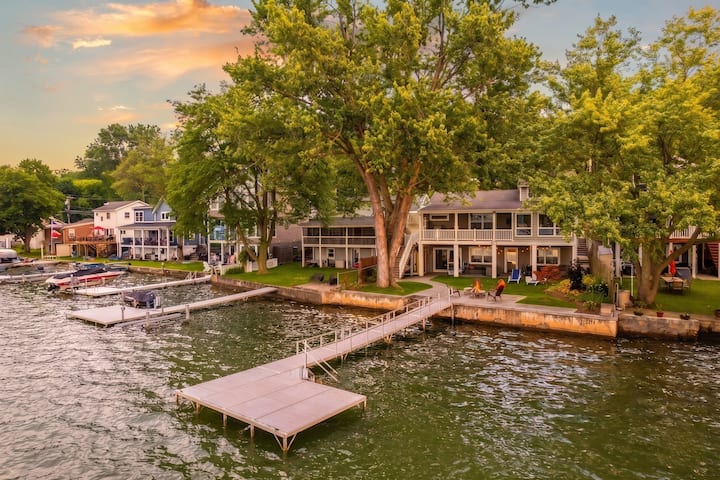
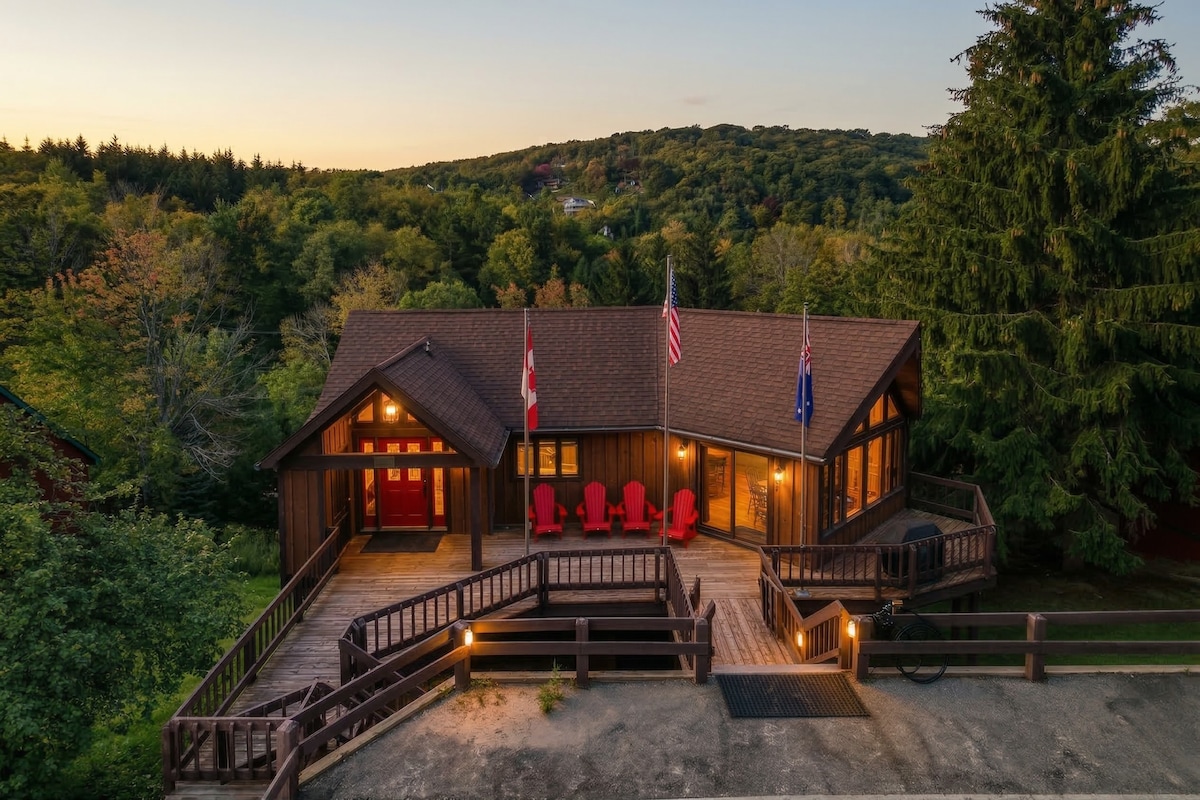
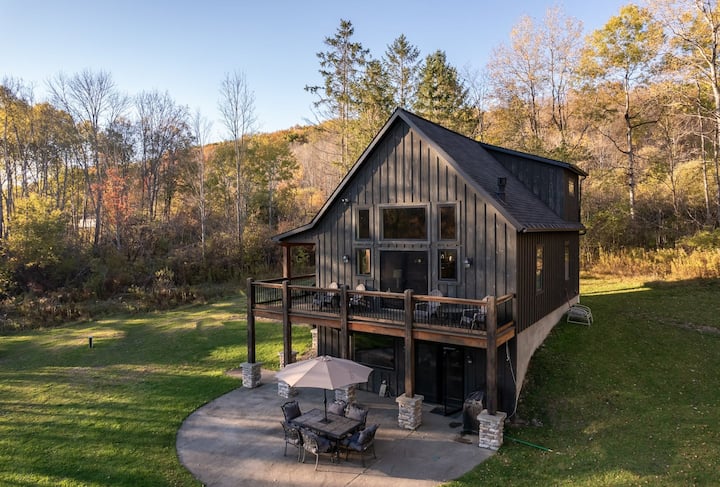
These portfolio cards use each property’s actual recorded town and listing name. They are reference examples only and do not state that a home is in Portland or determine another property’s location, classification, registration, access, readiness, or applicable requirements.
Local questions
The City describes a short-term rental as a letting for less than 30 days and says a residential rental offered for that period must be registered annually. It directs operators to register by December 31 or before advertising. Confirm the current process and classification of the specific unit with Portland’s Licensing and Registration Office.
Portland’s framework distinguishes mainland, Peaks Island, and outer-island locations as well as owner-occupied, non-owner-occupied, accessory-dwelling-unit, and legacy tenant-occupied categories. City materials also address building limits and supporting documents. Confirm the applicable category and documentation for the individual property rather than inferring them from an online listing or neighborhood description.
Start with verified home information: access procedures, parking, sleeping configuration, systems, service contacts, house rules, maintenance needs, and records relevant to the City’s process. Separately obtain guidance on registration, tax, safety, insurance, and association questions from appropriate sources. This keeps the operating conversation accurate and property-led.
A co-hosting scope can divide listing administration, guest communication, turnovers, property care, maintenance coordination, reporting, and approvals between the owner and operating partner. The division depends on the owner’s preferred role and the home’s verified setup. Agree responsibilities in writing after applicable property-level questions are being addressed.
Owner inquiry
Tell us about the Portland property, its setup, and the operating support you are considering. We begin with verified home information and your goals, while recognizing that registration classification, building limits, taxes, safety, insurance, association permissions, and other requirements need property-specific confirmation from appropriate sources. An early conversation can identify what is ready for coordination, what needs documentation, and how a practical co-hosting scope could divide responsibilities.
Regional context
Niagara is our home base, and we also consider select management and investment opportunities elsewhere. Our Niagara hub explains the local markets we currently focus on in Ontario.