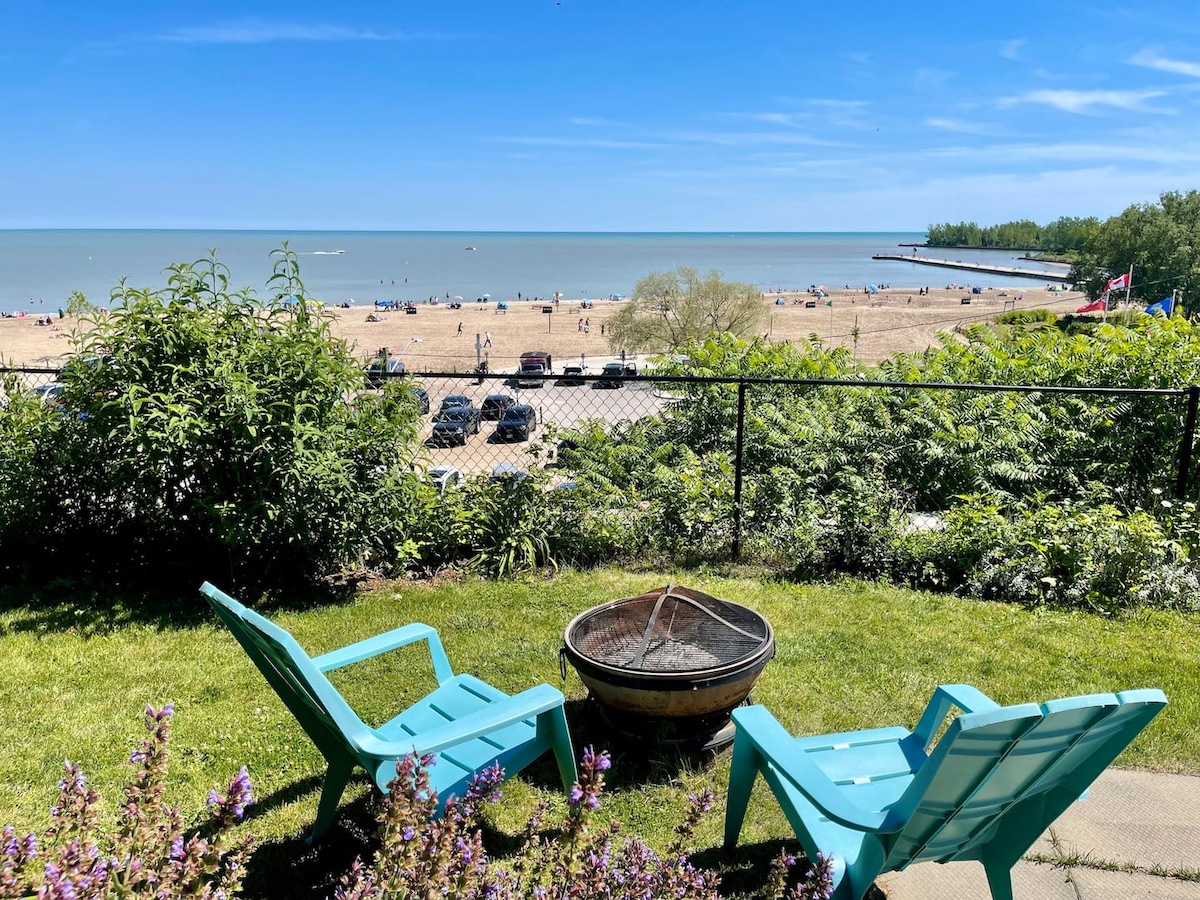
Port Burwell, Canada
Peaceful Cottage on Lake Erie with Stunning Views!
Lake Erie · Peaceful setting · Lake views
View listingWhy this market
Peggy’s Point Lighthouse has stood since 1915, and Tourism Nova Scotia describes it as one of Canada’s most photographed lighthouses. The Province’s viewing-deck project added an accessible deck with trail and parking improvements. Public-place details can inform a guest guide, not establish private-home access or amenities.
Tourism Nova Scotia notes that public washrooms near the lighthouse, deGarthe Common, and visitor parking are generally seasonal, and some off-season facilities or services may be unavailable. Its guidance also notes heavier activity in summer and cruise season. A guide should direct visitors to current official information rather than a static calendar.
Arrival instructions, parking directions, house guidance, safety information, waste routines, and service contacts should be based on owner-confirmed facts. Public visitor context should remain distinct from the individual site.
Local rules
The Peggy’s Cove Land Use Bylaw governs the Preservation Area and differs from HRM’s general short-term-rental approach. It defines commercial temporary lodging for the travelling public as “accommodations” and lists accommodations as a main use only in the Core Zone, not in Residential, Scenic, Fishing Industry, or Conservation zones. Review the official zoning map and obtain an interpretation of the exact parcel first. Core-Zone accommodations have commercial-floor-area rules.
The bylaw also addresses accommodations as a home-based business accessory to a dwelling. Its conditions include the business owner’s primary residence in the dwelling, no more than four guest rooms, and use in no more than two buildings on the lot. These are rules to investigate, not a finding about a site. Because a change in use is development, the Commission directs an owner to comply with the bylaw and obtain a Development Permit. HRM construction-permit consultation can also be relevant.
Use the official bylaw and zoning map, then request written, address-specific direction from HRM staff administering the bylaw or the Peggy’s Cove Commission. HRM says it administers provincial inquiries, interpretations, and applications until October 2026; confirm the authority and process before acting. The guide also identifies possible construction, septic, environmental, business-licence, and other approvals. Check each with the relevant authority.
After land-use direction and other required approvals, a stay offered for 28 consecutive days or less must be registered with Nova Scotia’s Short-term Rentals Registry before operating. The Province requires proof of land-use compliance, a registration number for platform advertising, and renewal by April 1 each year. Registration follows the land-use review; it does not replace it.
Review the Peggy’s Cove Commission’s bylaws and permits guidanceWhat we handle
After an owner has begun the appropriate property and regulatory review, an operating scope can be shaped around the home’s actual condition and the responsibilities the owner wants to retain.
The aim is accurate guest communication and accountable coordination, with hospitality work tied to the real home and its documented procedures.
Co-hosting explained
Co-hosting is a collaborative arrangement tailored to the owner’s role. An agreed scope can include listing administration, guest communication, turnover coordination, property checks, maintenance follow-up, and reporting. Identify who approves decisions, holds key information, and responds when an issue needs attention.
A practical conversation starts with access procedures, systems, safety information, service contacts, inventory, maintenance, house guidance, and documentation. It should also identify work that remains with the owner or an outside professional, creating a clear operating record.
In the Peggy’s Cove Preservation Area, hospitality coordination does not replace formal land-use or registration steps. Co-hosting can organize verified property information for accurate guest communication and day-to-day coordination.
Nearby homes
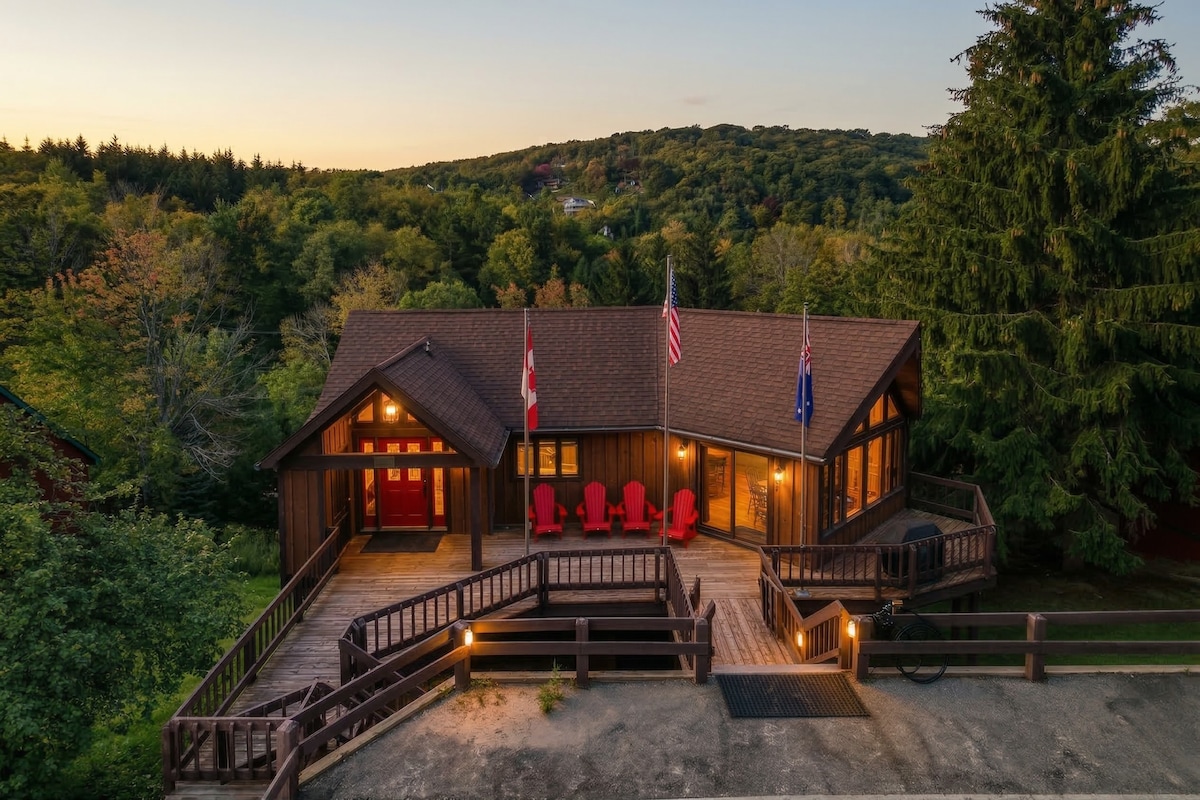
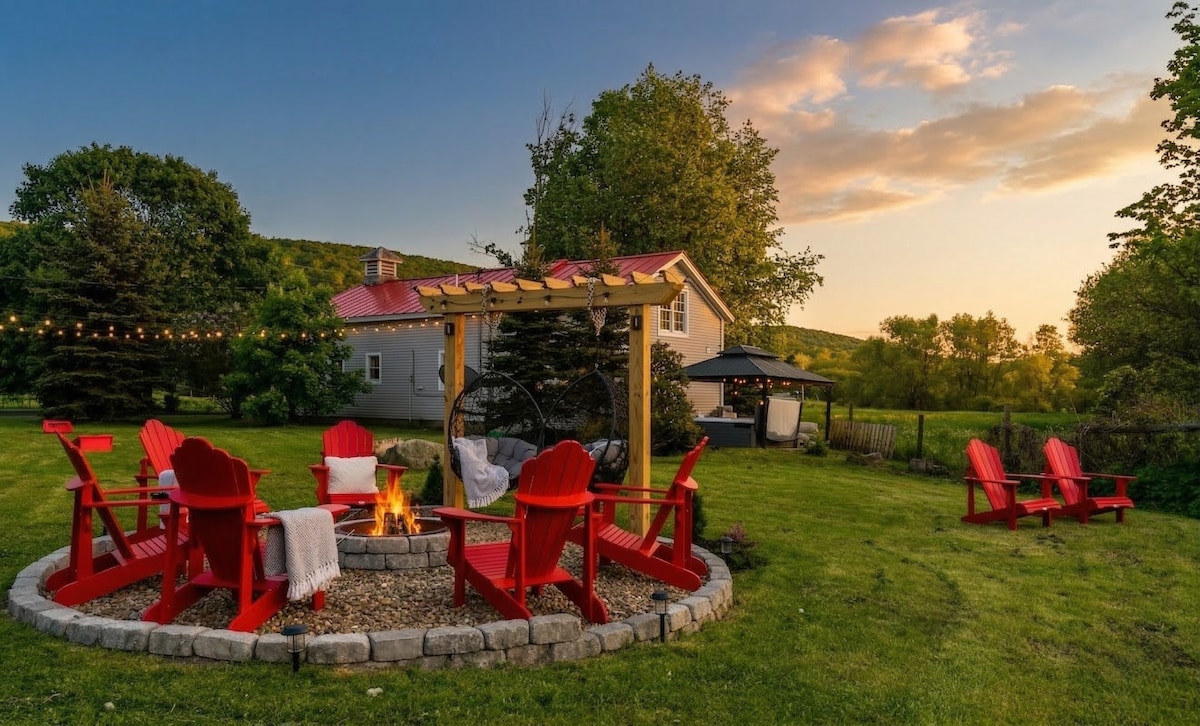
The portfolio references retain their actual towns: Port Burwell, Canada, and Ellicottville, New York. Their locations and arrangements do not establish any fact about a Peggy’s Cove property.
Local questions
Peggy’s Cove lies in a provincially designated Preservation Area with its own Land Use Bylaw, distinct from HRM’s general land-use rules. The zoning map and written, parcel-specific direction are necessary before relying on a use category or process that may apply elsewhere.
Review the official bylaw and zoning map for the exact parcel, then seek written direction from the HRM staff administering the bylaw or the Peggy’s Cove Commission. The Commission’s guidance says development in the Preservation Area must comply with the bylaw and obtain a Development Permit. Check with the authorities about any construction consultation and other approvals that may apply.
No. The bylaw contains conditions for accommodations operated as a home-based business accessory to a dwelling, including primary-residence, guest-room, and building-count conditions. Those conditions require an address- and operator-specific review. They do not decide whether a particular dwelling meets the rule or any other requirement.
For accommodation offered for 28 consecutive days or less, provincial registration is required before operating. The Province requires proof of compliance with applicable land-use bylaws, a registration number for platform advertising, and annual renewal by April 1. It is a separate provincial step that follows rather than replaces land-use confirmation.
Once the owner is working through the applicable property questions with the proper authorities, a co-hosting scope can assign responsibilities for listing administration, guest communication, turnovers, property care, maintenance follow-up, reporting, and approvals. The scope should reflect the home’s documented setup and the owner’s preferred involvement.
Owner inquiry
Tell us about the Peggy’s Cove property, its setup, and the operating support you are considering. Include known details about access, systems, safety information, service contacts, and the owner’s preferred role. Formal questions remain with the appropriate authorities: zoning and parcel interpretation, development permitting, construction consultation where applicable, septic or environmental review, licensing, and provincial registration. An early conversation separates verified information from items needing written direction and helps define a responsible scope.
Regional context
Niagara is our home base, and we also consider select management and investment opportunities elsewhere. Our Niagara hub explains the local markets we currently focus on in Ontario.