
Franklinville, New York
Private Escape Near Ellicottville| Hot Tub•Scenic
Self check-in · Peace and quiet · At-home coffee
4.96 (51 reviews)
View listingWhy this market
Old Orchard Beach’s visitor information describes a seaside community with a seven-mile beach, pier, dining, retail, amusements, and outdoor recreation. That setting can inform beach-day questions and home details. Answers should come from the property and current public guidance, not generic coastal promises.
The Town describes a summer population larger than its year-round population, while Visit Maine highlights warmer-month beach activity for families, couples, and seniors. These sources describe local character, not a home’s performance or calendar. Listing information should separate destination context from the specific residence and house rules.
Seasonal public information can be useful without becoming an assumption about a property. Ferry Beach State Park publishes warm-season gate and off-season facility information. A guest guide can point people to official sources for changing schedules, parking, weather, and public-space rules; it should not imply unconfirmed access or amenities.
We use the local setting as a prompt for detail. Arrival instructions, parking, waste routines, beach-item storage, quiet-hours guidance, and maintenance contacts should be tailored to the home and kept distinct from municipal or state requirements.
Local rules
Old Orchard Beach’s residential-rental licensing framework defines a short-term rental as a dwelling or portion offered for a fee for fewer than 30 consecutive days, subject to listed exceptions. The code requires a residential-rental license for covered activity and says licenses are issued by Assessing Map ID. Read the rule with application materials and current Town guidance.
The residential-rental application asks applicants to identify short-term-rental use and provide the rental location, emergency contact, and maximum occupancy when known. It says approval is required before conducting the licensed business, and payment of fees is not approval. It also asks applicants to address other local ordinances and permits. Confirm the process with the appropriate Town office for the exact address.
Zoning, site conditions, license category, inspection status, and operating conditions are address-specific questions. The Town publishes zoning materials and a rental-inspection guide, which identifies life-safety items but is not a complete requirements list. Owners should obtain current direction from Planning, Code Enforcement, and Business Licensing, then review private restrictions, insurance, and service constraints with appropriate advisers.
Maine Revenue Services publishes separate guidance on lodging tax, registration, and marketplace-facilitator responsibilities. A platform’s arrangements may not answer every channel or tax question. Confirm applicable treatment, recordkeeping, and filing responsibilities with Maine Revenue Services or a qualified Maine tax professional.
Review Old Orchard Beach residential-rental license requirementsWhat we handle
After the owner has pursued the relevant property and regulatory questions, we can discuss the hospitality work that helps keep the home organized. Our scope is developed from the property’s condition, existing setup, service needs, and the owner’s preferred role; it is not a one-size-fits-all operating package.
The aim is an orderly hospitality process: accurate guest information, careful coordination between stays, and decisions connected to the real condition of the home. Municipal confirmation and professional advice remain the owner’s responsibility where they are needed.
Co-hosting explained
Co-hosting is a collaborative arrangement in which the owner and operating partner decide in advance who will handle each part of the guest and property workflow. Depending on the home and the agreed scope, that can include listing administration, guest messages, arrival information, turnover coordination, property checks, maintenance follow-up, and owner updates. Clear responsibility is more useful than an assumed handoff.
Every home has a different starting point. We begin by learning how access works, which systems require attention, what service contacts are already in place, and which approvals an owner wants to retain. That review can help distinguish work that is ready for coordination from details that need to be documented or resolved first.
For an Old Orchard Beach conversation, co-hosting does not replace an owner’s own discussions with the Town or other appropriate sources. Once the owner is addressing the applicable questions, we can focus on a practical operating rhythm, accurate guest guidance, and a shared understanding of what each person will manage.
Nearby homes
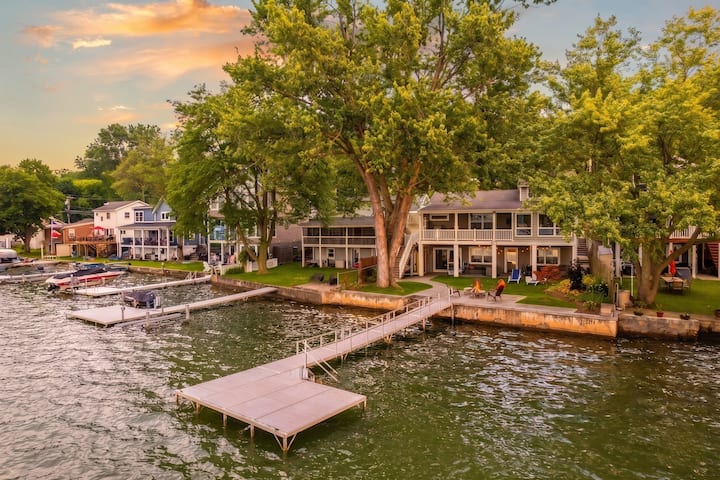
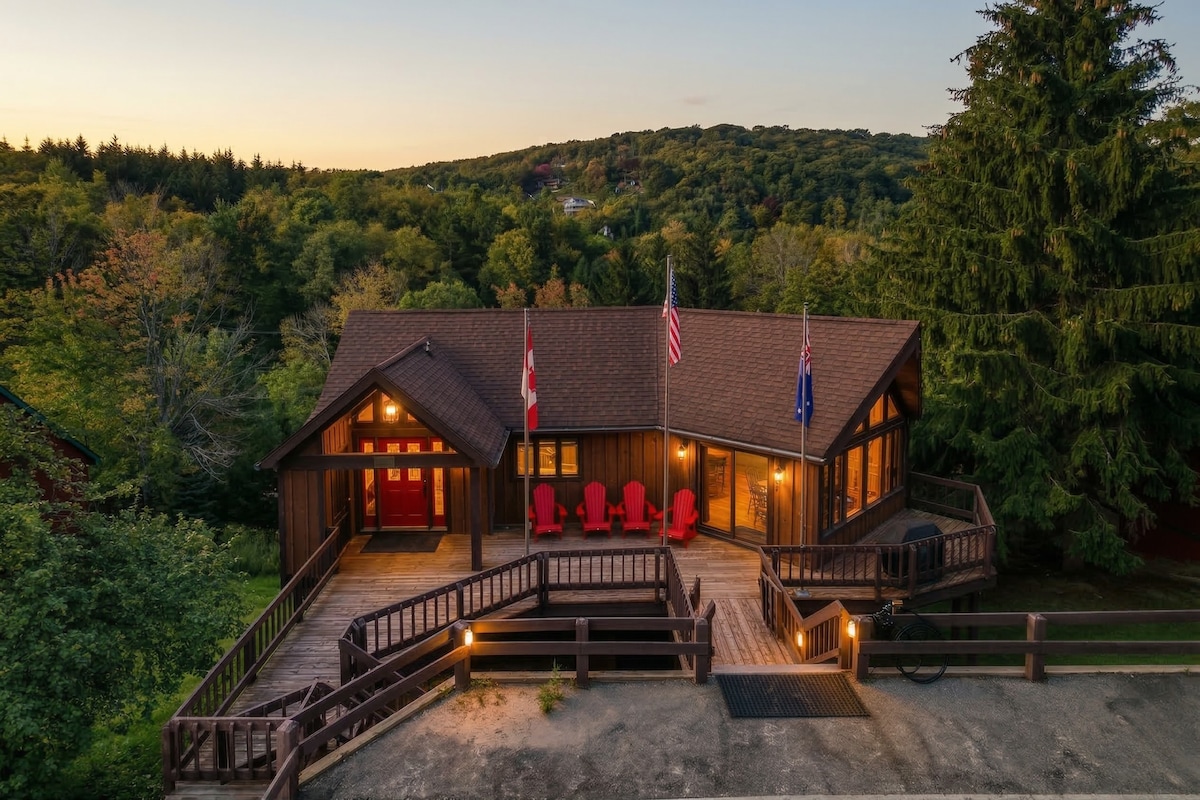
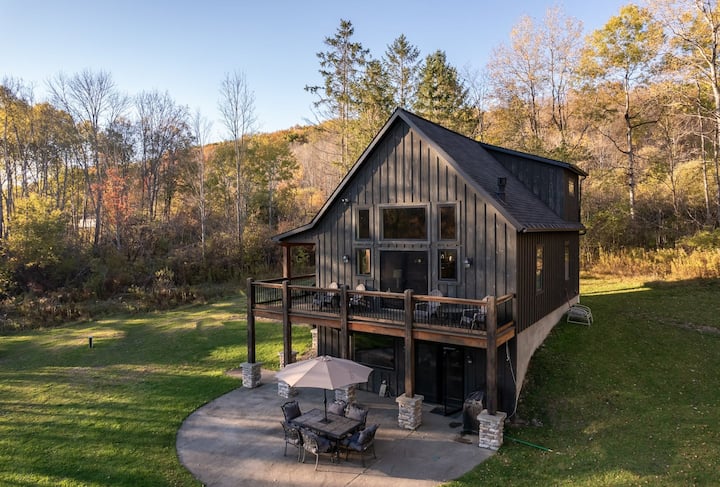
The cards below retain each home’s actual town: Franklinville, Conesus, and Ellicottville, New York. They are portfolio references only and are not presented as homes in Old Orchard Beach or as a conclusion about any other address.
Local questions
The Town’s residential-rental ordinance defines a short-term rental as a building, structure, or portion offered for living or sleeping for a fee for fewer than 30 consecutive days, with stated exceptions. Owners should read the current rule and ask the Town how it applies to their specific address and configuration.
The Town code establishes a residential-rental license requirement for covered rental activity, and the application states that approval is required before conducting the licensed business. Because licensing is connected to the Assessing Map ID and other local questions, an owner should confirm the current process directly with Old Orchard Beach.
Begin with the exact address and its current municipal record: zoning, license category, inspection and life-safety items, occupancy information, and any local conditions. Also review private restrictions, insurance, access, parking, utilities, waste procedures, service contacts, and the home’s actual setup before guest-facing details are written.
A co-hosting scope can organize agreed work such as listing administration, guest communication, arrival guidance, turnovers, property care, maintenance coordination, and owner reporting. The appropriate division is developed after discussing the home, the owner’s role, and the items that require the owner’s separate confirmation.
Owner inquiry
Tell us about the property, its current setup, and the operating support you are considering. We start with the home and the owner’s goals, while recognizing that Old Orchard Beach licensing, zoning, inspection, tax, and other address-specific questions should be confirmed through the appropriate sources. An early conversation helps identify which details are ready for coordination, which need documentation, and whether a collaborative operating scope fits your plans.
Regional context
Niagara is our home base, and we also consider select management and investment opportunities elsewhere. Our Niagara hub explains the local markets we currently focus on in Ontario.