Ellicottville, New York
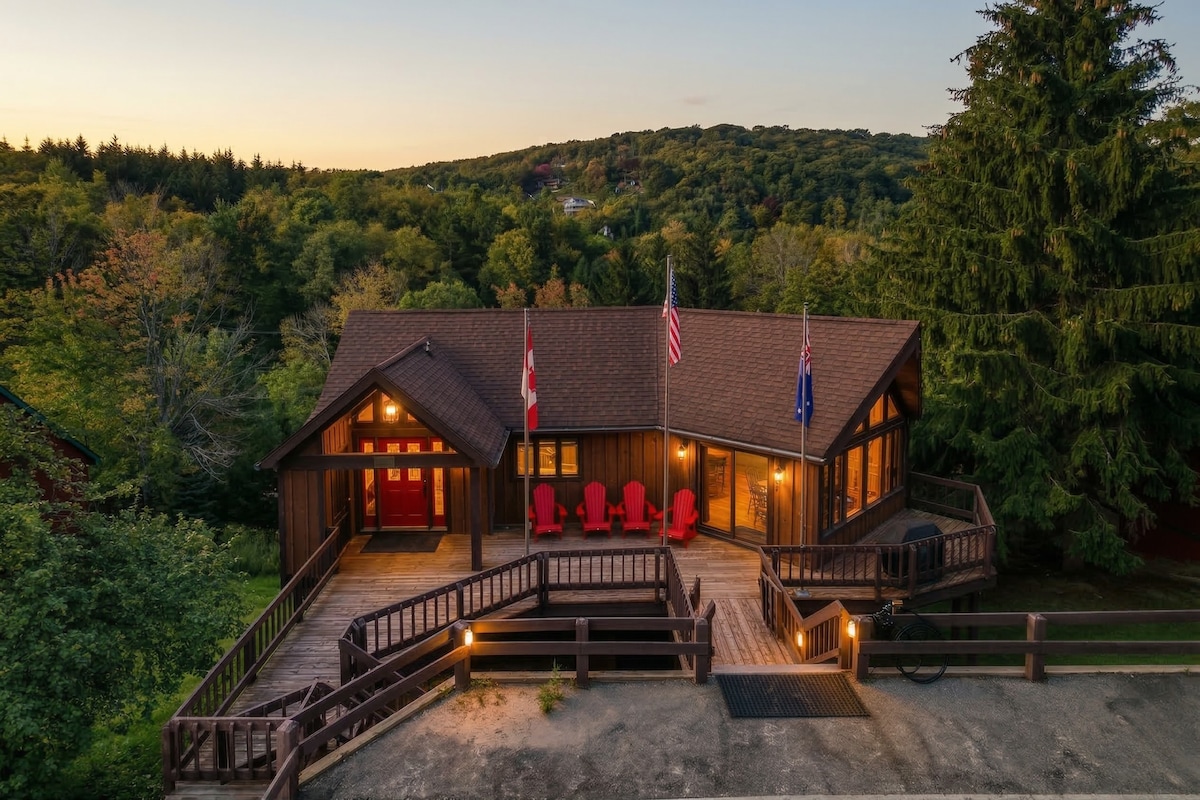
4BR Chalet on Holimont: Views-Hot Tub-Home Theater
Personally owned and managed by us
4.89 (218 reviews)
View listingWhy this market
Naples is part of Ontario County’s Finger Lakes setting. The County identifies it as the Grape Pie Capital of the World and notes the annual Grape Festival’s artisans, winemakers, and local musicians. The Town and Village’s joint plan also identifies Naples Creek rainbow-trout runs and late-summer festival activity. This visitor context does not establish access, suitability, or a feature of any particular home.
Regional outdoor information should remain distinct from a home’s amenities. New York State Parks locates Harriet Hollister Spencer State Recreation Area in Canadice, not Naples, and describes multi-use trails, year-round dawn-to-dusk access, and a seasonal main access road. Direct guests to the park for current conditions, access, rules, and seasonal updates. Do not imply park access, views, or amenities without independent verification for the home.
Useful hospitality information begins with verified property details: arrival instructions, parking, sleeping arrangements, outdoor setup, utilities, waste routines, seasonal care, service contacts, and house guidance. Clear pre-arrival communication can distinguish public resources from private amenities. Turnover planning and maintenance coordination should reflect the home’s systems and the owner’s preferred involvement.
Local rules
A Naples mailing address, vineyard reference, or lake-area description does not determine the governing municipality. Ontario County separately identifies the Town and Village and directs users to verify the official zoning map locally. Before preparing a listing, confirm the tax parcel, municipal boundary, zoning district, overlays, approved use, and site conditions with the applicable Code Enforcement Officer. Municipal approval must be confirmed whenever the proposed use, parcel location, district treatment, or site condition is not established in current written guidance for that property.
The reviewed codes do not support a blanket conclusion for a whole-home or room rental. Town and Village provisions use lodging-related categories including bed-and-breakfasts, tourist homes, hotels, and motels. In the Town, a bed-and-breakfast of up to two rooms is listed in Agricultural-Conservation, while one with more than two rooms is a special use; that text does not classify another arrangement. In the Village, tourist home/bed-and-breakfast uses are special uses in R-1, and the code says bed-and-breakfasts need a special-use permit. Ask the applicable office in writing how the proposal is classified and what permit, special-use, site-plan, inspection, certificate, or other review is required before advertising, booking, or changing use.
Construction, conversion, and guest sleeping areas require separate review. Town and Village code enforcement administers New York’s Uniform Fire Prevention and Building Code and Energy Code. Do not describe a cellar, accessory structure, altered room, or bedroom as guest space until the applicable office confirms its use, permits, inspections, egress, alarms, and occupancy status. Ontario County room-occupancy tax and New York sales-tax guidance raise separate collection and registration questions. Tax treatment does not replace local land-use approval; confirm current operator obligations with the County Treasurer and appropriate state authority.
Review Naples Town and Village Code Enforcement & Zoning informationWhat we handle
After an owner has sought direction on the proposed use and requirements, Spencer & Ashley can discuss hospitality support based on verified home details and priorities.
The focus is accurate guest information, practical coordination, and decisions tied to the home’s real condition. Municipal, tax, safety, insurance, and parcel-specific determinations remain with appropriate authorities and qualified advisers.
Co-hosting explained
Co-hosting can support agreed guest-facing and property-operating work while an owner retains chosen decisions. Responsibilities may include listing administration, guest communication, turnovers, property checks, maintenance follow-up, and reporting. Define them before guests rely on them.
The scope depends on the home and the owner’s involvement. A discussion can review access instructions, systems, parking, supplies, service contacts, maintenance procedures, emergency information, and house guidance. It can clarify whether a launch plan, ongoing coordination, or limited support is practical without assuming a standard arrangement fits every property.
For a Naples inquiry, hospitality planning remains separate from municipal confirmation. The owner should work with the applicable Town or Village office and, where relevant, County and State resources on the proposed use and site conditions. The operating discussion can then focus on verified guest information, readiness between stays, and home-specific routines.
Portfolio references
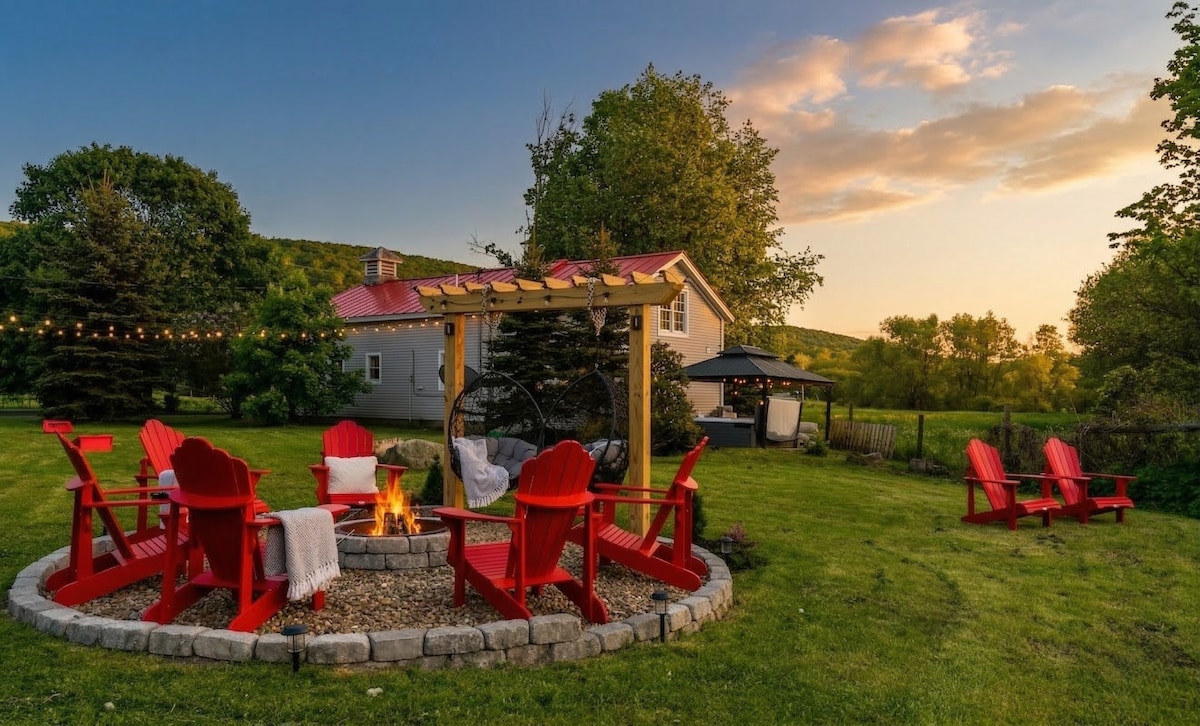
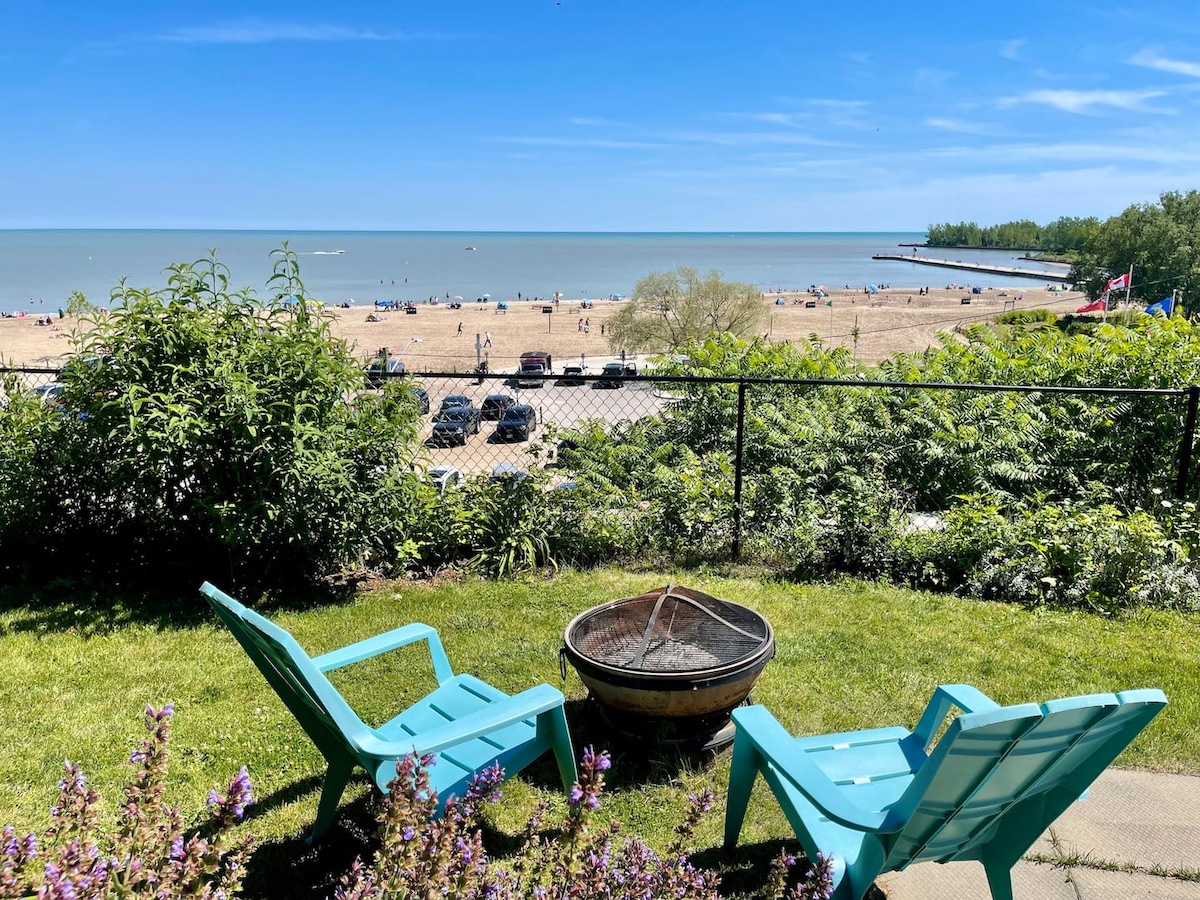
The cards preserve each property record’s actual town: Ellicottville, New York, or Port Burwell, Canada. They are portfolio references only and do not establish another property’s location, condition, access, approvals, or operating readiness.
Local questions
No. Confirm whether the parcel is in the Village or Town, then ask the applicable office about the district, proposed arrangement, and current requirements. Separate Town and Village codes and approval paths mean a market page or platform listing cannot decide an address’s status.
Confirm it before advertising, accepting bookings, converting space, or representing a room as guest sleeping space. Written direction is especially important when the proposed use could be a tourist home, bed-and-breakfast, hotel/motel, or another lodging-related use; when a special use or permit may apply; or when the parcel’s boundary, district, approved use, or site conditions are uncertain.
No. The Town code’s Agricultural-Conservation provisions address bed-and-breakfasts of up to two rooms and those over two rooms, but they do not classify every proposal. Its separately named short-term home-occupation provision concerns temporary craft or food activity related to events, not lodging authorization. Ask the Town to classify the proposal in writing.
After the owner is pursuing property-specific confirmations, a co-hosting discussion can review the home and preferred owner role. The parties can define responsibilities for listing details, guest communication, turnovers, property care, maintenance coordination, reporting, and approvals using verified information.
Owner inquiry
Tell us about the property, its current setup, and the operating support you are considering. We begin with verified home information and owner goals, while recognizing that jurisdiction, zoning, use classification, permits, inspections, tax, safety, wastewater, insurance, and other conditions need property-specific confirmation. An early conversation can identify what needs verification and how responsibilities could be organized.
Regional context
Niagara is our home base, and we also consider select management and investment opportunities elsewhere. Our Niagara hub explains the local markets we currently focus on in Ontario.