
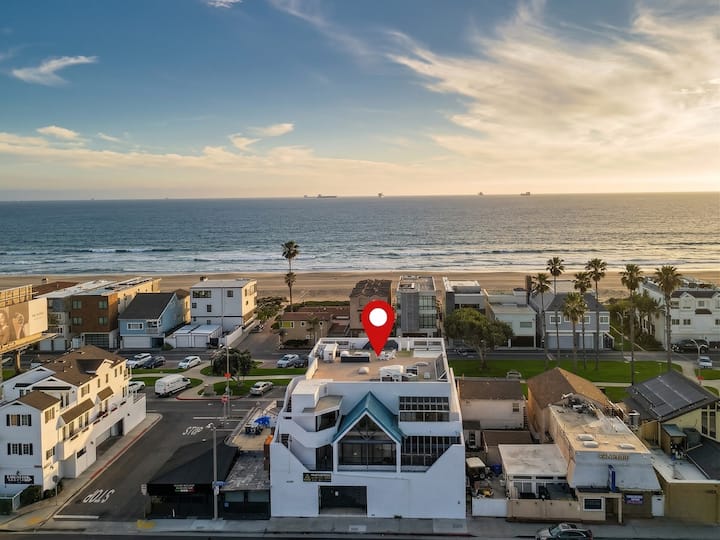
Huntington Beach, California
Ocean View Penthouse: Rooftop Patio | Beach Access
Ocean views · Rooftop patio · Beach access
5.0 (5 reviews)
View listingWhy this market
Long Beach’s Convention & Entertainment Center, visitor organizations, waterfront setting, and City special-events program provide context for guest planning. The City includes races, parades, marathons, sporting events, concerts, fairs, and community events in its special-events program. Event calendars can change, so guest guidance should distinguish confirmed public information from what the home itself provides.
A clear listing begins with specifics rather than destination shorthand. Arrival instructions, parking, sleeping arrangements, accessibility considerations, outdoor-space use, building expectations, and house rules should match the property. That approach helps owners decide what needs to be documented, maintained, or clarified before a stay is presented to guests.
Long Beach also has jurisdictional and coastal considerations. A Long Beach mailing address alone does not establish City jurisdiction. Where the coastal zone is relevant, screen the exact location with City planning resources before relying on an assumption about permits or restrictions.
Local rules
The City defines a short-term rental as paid overnight occupancy for one to 30 consecutive nights and requires City registration before advertising, renting, or operating. Registration is annual and nontransferable. Review the official STR page and Municipal Code Chapter 5.77 for current procedures, safety requirements, advertisement disclosures, and enforcement information before making an operating decision.
For a primary-residence registration, the operator must meet the City’s documentation and occupancy requirements; un-hosted stays have a stated 90-day limit per annual registration term. Non-primary residences are subject to City allocation limits. The code sets a cap of 800 non-primary registrations citywide, including a 350-unit coastal-zone maximum, and directs applicants through an Application of Interest and reservation or waitlist process.
Because non-primary registrations are capped, approval and current allocation availability must be confirmed directly with Long Beach before a listing is advertised. Neither the cap nor this page establishes that a unit can register. Owners should also confirm lawful dwelling use, prohibited-building status, project limits, owner or lease authority, HOA or recorded restrictions, inspection requirements, and coastal-zone treatment where applicable. The City states that transient occupancy tax applies to temporary stays of 30 days or less; verify tax reporting for each booking channel.
Review the City of Long Beach short-term-rental requirementsWhat we handle
Once an owner has confirmed intended use and applicable approvals with the proper sources, the discussion can turn to the work behind an organized stay. The scope is built around the home and the owner’s preferred role rather than a preset package.
The aim is a documented, property-led process: accurate guest information, clear coordination behind the scenes, and decisions tied to the home’s real condition.
Co-hosting explained
Co-hosting can organize agreed guest-facing and property-operating work while the owner retains the decisions they want to keep. Responsibilities may include listing administration, guest communication, turnovers, property checks, maintenance follow-up, and reporting. Define each responsibility before guests rely on it.
A useful scope is specific to the home and the owner’s involvement. We begin with its setup, access and service needs, existing systems, and approvals the owner wishes to retain. That conversation can clarify whether a launch plan, ongoing coordination, or limited support is practical.
For a Long Beach inquiry, hospitality planning cannot replace City and property-specific confirmation. Registration approval, applicable allocation availability, lawful use, and coastal, HOA, lease, or building requirements should be addressed with the appropriate sources first. The operating conversation can then focus on readiness and accurate guest guidance.
Property references
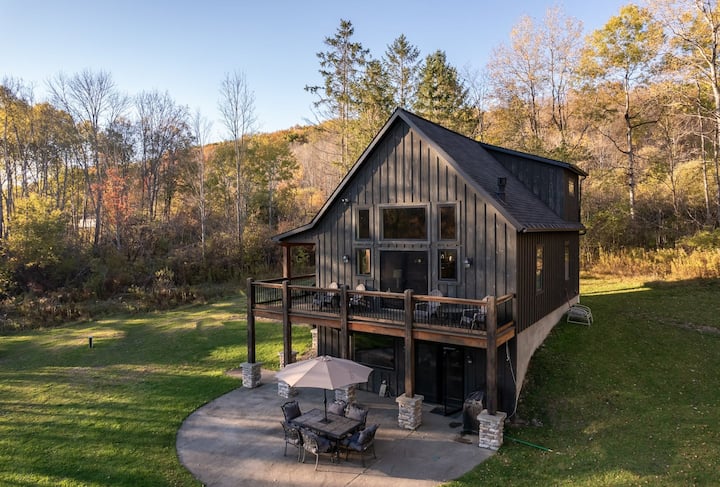
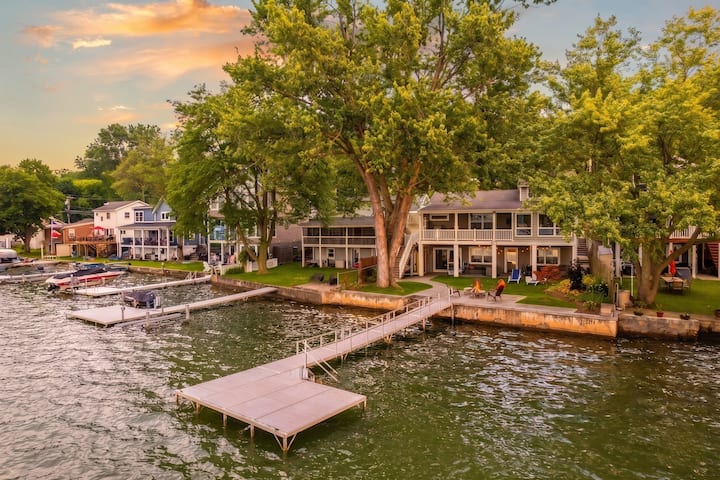
The cards below retain the locations recorded in their source data: Huntington Beach, California; Franklinville, New York; and Conesus, New York. They are property references only and are not presented as Long Beach homes or as evidence about any Long Beach address, approval, or eligibility.
Local questions
Yes. The City states that registration is required before advertising, renting, or operating a short-term rental. Review the City’s current STR page and code, then confirm the process for the exact unit before taking action.
Non-primary residences are a separate City registration category with a capped allocation and an Application of Interest, reservation, or waitlist process. Approval and current allocation availability must be confirmed directly with the City; this page does not make that determination for an address.
Start with incorporated-City jurisdiction, lawful dwelling use, the applicable registration category, owner or lease authority, HOA or recorded restrictions, project limits, safety and inspection requirements, and any coastal-zone considerations. The City and qualified advisers can address the questions that depend on the specific property.
The City states that its transient occupancy tax applies to temporary stays of 30 days or less and provides separate reporting guidance. Owners should confirm current tax treatment, reporting duties, exemptions, and platform arrangements for each booking channel before operating.
After the owner has addressed applicable City and property-specific requirements, a co-hosting discussion can define responsibilities for listing information, guest communication, turnovers, property care, maintenance coordination, and approvals. The scope should be written around the home and the owner’s preferred role.
Owner inquiry
Tell us about the property, its current setup, and the support you are considering. We begin with the home and your goals while recognizing that Long Beach registration, non-primary allocation availability, lawful use, coastal status, and property-level restrictions require current confirmation from the appropriate sources. An early conversation can identify the information already in hand, the questions that still need verification, and whether a collaborative operating scope makes sense.
Regional context
Niagara is our home base, and we also consider select management and investment opportunities elsewhere. Our Niagara hub explains the local markets we currently focus on in Ontario.