Ellicottville, New York
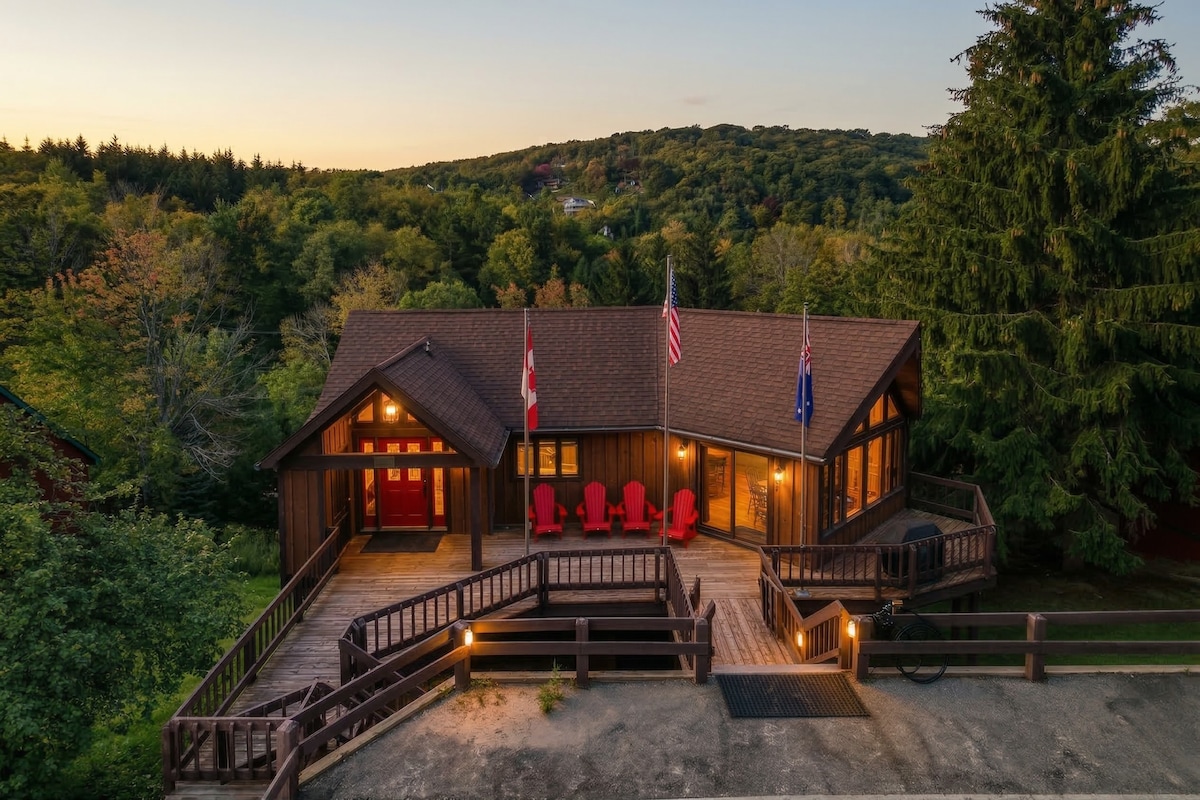
4BR Chalet on Holimont: Views-Hot Tub-Home Theater
Personally owned and managed by us
4.89 (218 reviews)
View listingWhy this market
Little Valley is Cattaraugus County’s county seat. The Cattaraugus County Fairgrounds are in Little Valley, and County Tourism describes the site as a venue for annual events, conferences, receptions, reunions, and meetings. That public context can inform useful pre-arrival information without implying that every property has the same access, setting, or guest considerations.
The local calendar is context, not a formula. Cattaraugus County lists the county fair in early August, and County Tourism describes other fairgrounds events. New York State Parks describes Allegany State Park as a year-round recreation area with summer and winter activities. An individual home’s location, access, sleeping arrangement, outdoor areas, parking, and systems remain the foundation for accurate listing details and practical house guidance.
Careful operating preparation starts with what is verifiable at the home. We can discuss guest-facing information, arrival communication, turnover coordination, and a property-care routine that reflect the owner’s preferences and the property’s real setup. General regional context should never replace confirmation of the home’s rules, services, features, or operating constraints.
Local rules
The first question is whether a parcel is within the incorporated Village or in the unincorporated Town. The Town’s published code includes zoning, building-code administration, and flood-damage provisions. Its zoning schedule identifies bed-and-breakfast and tourist-home uses in the Open Area district as special-permit uses, but the published schedule does not itself label an independent whole-home vacation rental as a listed use. The Town should classify the proposed operation in writing for the exact parcel and model.
The Village has a separate zoning law, zoning map, construction-code provisions, and permit process. Its table addresses bed-and-breakfast establishments and hotel, motel, or inn uses in specified districts. Those terms cannot be assumed to describe a particular hosted-room or whole-home arrangement. Ask the Village’s zoning or code official to confirm jurisdiction, district, use classification, permits, certificate-of-occupancy implications, and any special-use or site-plan process.
County and state requirements are additional questions, not substitutes for local approval. Cattaraugus County states that overnight-lodging establishments subject to its Occupancy Tax Law collect a 5% occupancy tax and follow the County’s registration and return process. New York State provides tax guidance for short-term-rental occupancy and administers statewide building and energy codes through local enforcement. Confirm the exact tax, booking-platform, health, fire, floodplain, water, septic, parking, and inspection requirements with the responsible authorities before advertising or operating.
Review Village of Little Valley zoning laws and mapWhat we handle
After an owner has sought the appropriate property-specific confirmations, we can discuss hospitality operations in a scope that fits the home and the owner’s preferred role.
The practical objective is an orderly process built around accurate information, thoughtful coordination, and the home’s actual condition.
Co-hosting explained
Co-hosting can organize agreed guest-facing and property-operating work while the owner retains the decisions they wish to keep. Depending on the home, the scope may include listing administration, guest communication, turnover coordination, property checks, maintenance follow-up, and reporting. The essential first step is making each responsibility clear before a stay depends on it.
A useful arrangement is specific rather than assumed. We look at the current setup, access and service needs, existing systems, owner involvement, and the approvals the owner intends to retain. That conversation can help distinguish a launch plan, ongoing coordination, or narrower support. It also makes room for the home’s own operating constraints instead of applying a standard template.
For a Little Valley property, hospitality planning does not determine municipal classification or replace official review. Once the owner is addressing those questions with the relevant Town, Village, County, state, or health contacts, the operational conversation can focus on accurate guest information, readiness between stays, and a communication rhythm that fits the property.
Nearby homes
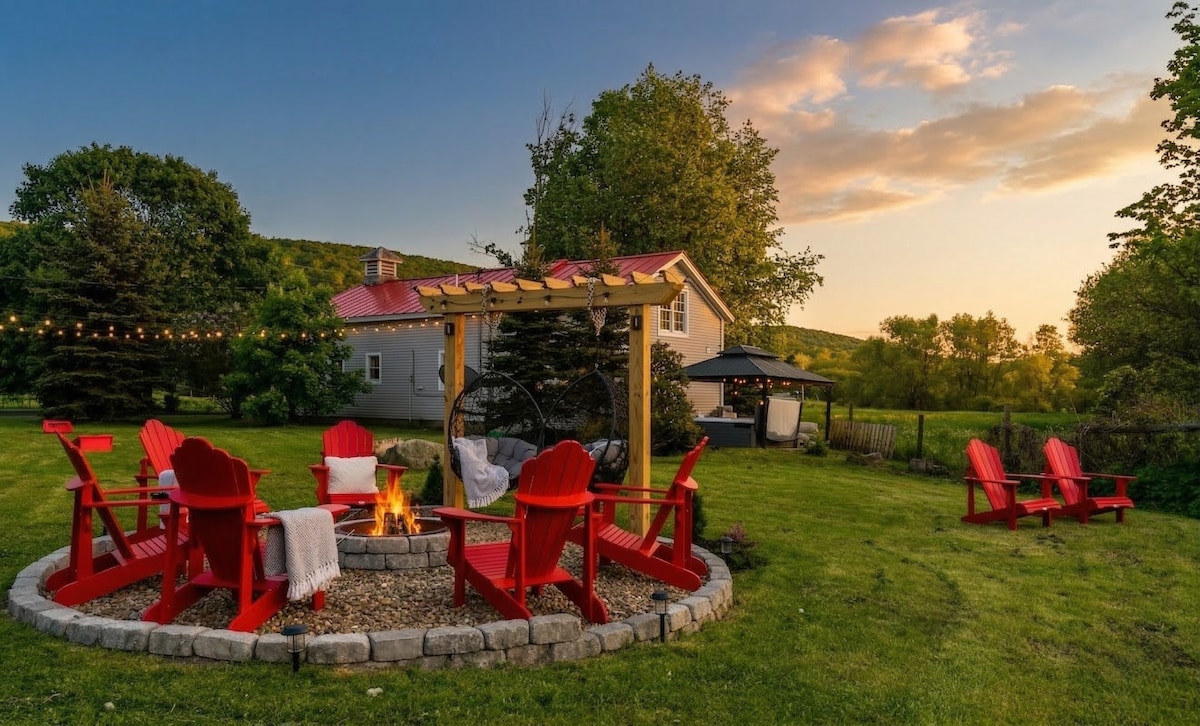
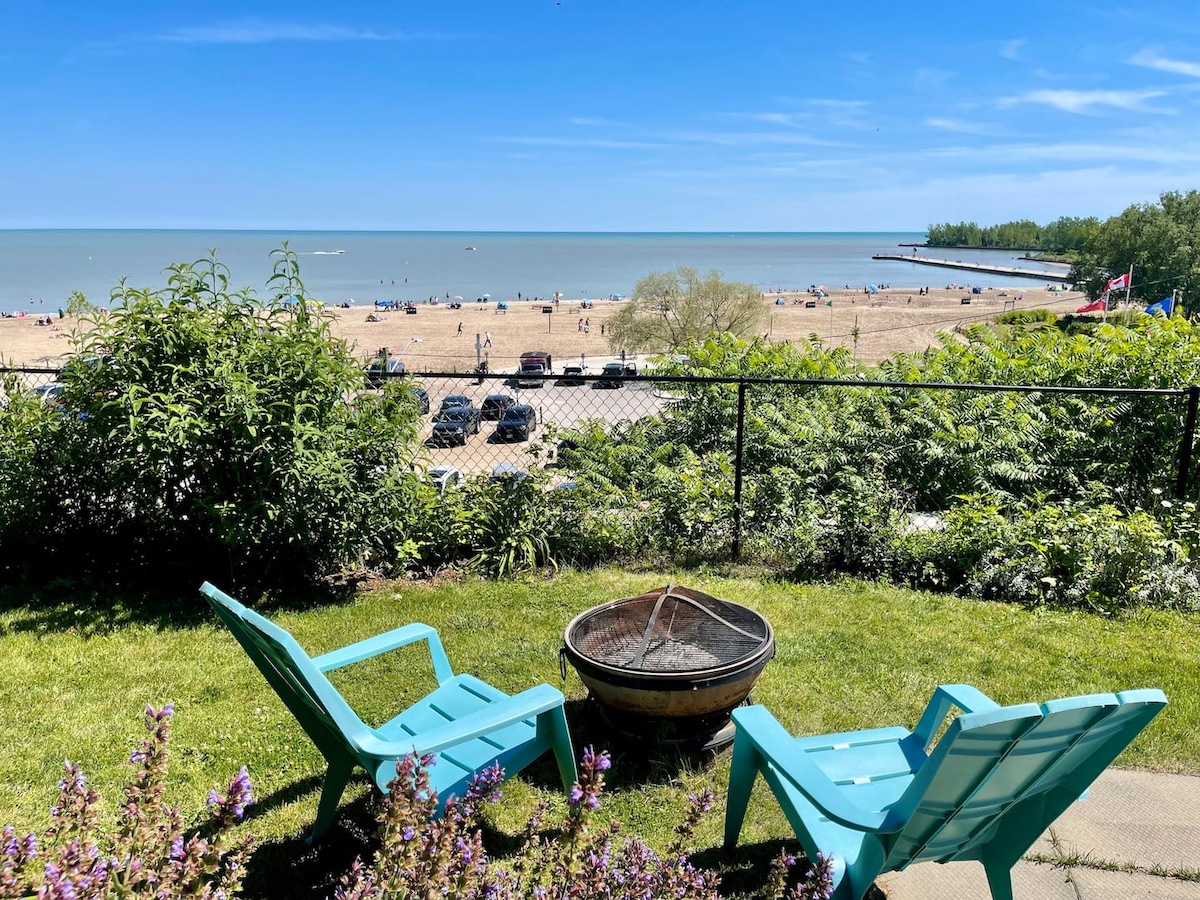
The homes below are identified by their actual property-record towns: Ellicottville, New York, and Port Burwell, Canada. They are portfolio references only and do not determine the location, setup, eligibility, or readiness of another property.
Local questions
No. Little Valley may refer to the incorporated Village or the surrounding Town, which publish separate zoning materials and maintain separate offices. An owner should use the exact tax parcel and boundary information to confirm the governing jurisdiction, then request a written zoning and use determination for the planned operation.
That should not be assumed. The Town and Village publish definitions and use tables for certain lodging-related categories, but neither published framework should be applied generically to an individual whole-home or room-rental model. Give the local official a complete description of the intended use and ask for the applicable classification and approvals.
Start with jurisdiction, zoning district, use classification, current certificate-of-occupancy status, and any permit or special-use process. The owner should also ask the appropriate officials about parking, floodplain status, water or septic capacity, building and fire requirements, health questions, County occupancy-tax workflow, and state tax responsibilities.
After the owner has pursued property-specific confirmations, a co-hosting scope can define listing information, guest communication, turnovers, property care, maintenance follow-up, reporting, and owner approvals. Details should reflect the home’s verified setup and the owner’s preferred involvement rather than a preset model.
Owner inquiry
Tell us about the Little Valley property, its current setup, and the support you are considering. We begin with the home and the owner’s goals, while recognizing that the applicable Town or Village, zoning classification, permits, safety requirements, and tax responsibilities require property-specific confirmation from public authorities. An early conversation can identify what information is ready for coordination, what needs verification, and whether a collaborative operating scope is a practical fit.
Regional context
Niagara is our home base, and we also consider select management and investment opportunities elsewhere. Our Niagara hub explains the local markets we currently focus on in Ontario.