Lion's Head, Canada
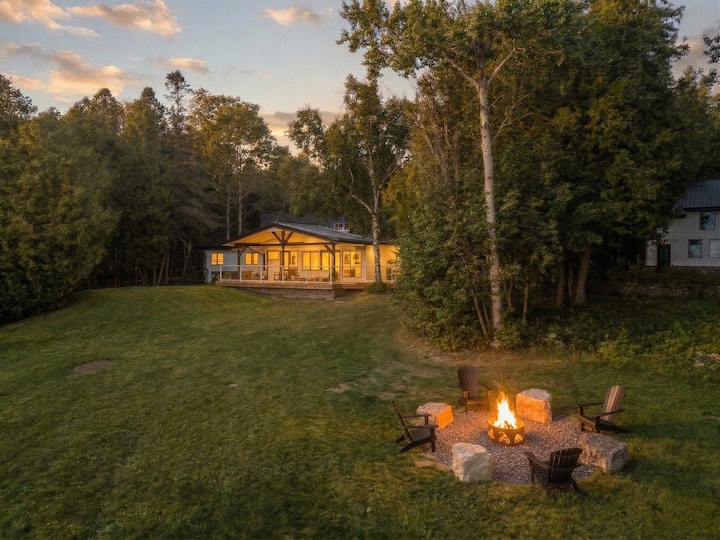
3BR Lakefront Cottage | Private Dock+Hot Tub+Sauna
Private dock · Hot tub · Sauna
View listingWhy this market
The Municipality includes the Bruce Trail, Bruce Peninsula National Park, Fathom Five National Marine Park, and the Lion’s Head Nature Reserve. Ontario Parks identifies Lion’s Head Provincial Park as a 526-hectare nature reserve in the Niagara Escarpment Parks System. The Bruce Trail passes through it, and the reserve has no visitor facilities. Guest guidance should direct visitors to current official information rather than promise access or amenities.
The municipal Official Plan describes Lion’s Head’s downtown and harbour commercial areas as serving year-round, seasonal, and transient tourist populations, with retail, service, accommodation, and food-service uses. That is local context, not a measure of demand or a prediction for any home.
Seasonal conditions can change what guests need to know. Ontario Parks says conditions at Lion’s Head Provincial Park can be weather dependent, and Parks Canada asks visitors to plan ahead for relevant park visits and reservations. We use this context to shape accurate arrival and local-information materials, keeping public-space rules separate from a home’s own instructions.
Local rules
The Municipality of Northern Bruce Peninsula says operators renting accommodation for 30 days or less must hold a valid Short-Term Accommodation (STA) licence. By-law 2025-34 prohibits owning, operating, advertising, promoting, brokering, or offering an STA without a current valid licence and licence number. The by-law defines an STA as an entire primary private residential dwelling rented temporarily for less than 30 days. Because the municipal webpage and by-law use different wording at the 30-day boundary, the rule for an exactly 30-day stay is unresolved without written direction from the Municipality.
The municipal STA page lists R1, R2, RU1, RU2, DC, and C1-a among the zones it identifies for an STA licence, while the by-law applies only in its mapped permitted area and prohibits STAs outside that area. Zoning and mapped-area status must be confirmed for the particular parcel. Development Control lands are under Niagara Escarpment Commission jurisdiction, where the municipal planning page says a development permit is required before development; a building permit may also be needed. New Class C licences are prohibited under the by-law as of May 26, 2025, subject to its provisions for existing Class C licences, and the program is capped at 400 licences. Neither fact establishes a current licence position for a specific home.
Licences are issued to the registered owner, are not transferable, and have a one-year term. The Municipality lists application material including ownership proof, identification, insurance, septic information, site and floor plans, a renter code of conduct, fire and exit information, and a responsible person available during rental periods and located within one hour. Only one STA may operate per property; an accessory building or additional residential unit cannot be used as the STA. A 4% Municipal Accommodation Tax applies to accommodation charges for stays of 30 days or less and is to be shown separately and remitted quarterly. Confirm current zoning, permitted-area status, licence class and availability, servicing, inspection, and tax requirements with the Municipality before advertising or accepting bookings.
Review Northern Bruce Peninsula’s short-term-accommodation guidanceWhat we handle
Once an owner has addressed the applicable municipal questions, we can discuss the hospitality work that fits the home and the owner’s preferred involvement.
The aim is an orderly, property-led process: accurate information for guests and thoughtful coordination behind the scenes.
Co-hosting explained
Co-hosting can organize agreed guest-facing and property-operating work while an owner retains the decisions they wish to keep. Depending on the defined scope, it can include listing administration, guest communication, turnover coordination, property checks, maintenance follow-up, and reporting. Before guests rely on the arrangement, the owner and operating partner should be clear about approvals, contacts, service providers, and each person’s responsibilities.
For a Lion’s Head opportunity, hospitality planning does not replace municipal confirmation. We first look at the home’s current setup, access, systems, outdoor areas, and the information needed for a realistic stay. Once the owner is addressing zoning, licensing, servicing, inspection, and other property-specific questions with the appropriate authorities, we can focus on arrival guidance, readiness between stays, and a communication rhythm that reflects the actual home.
Grey Bruce portfolio
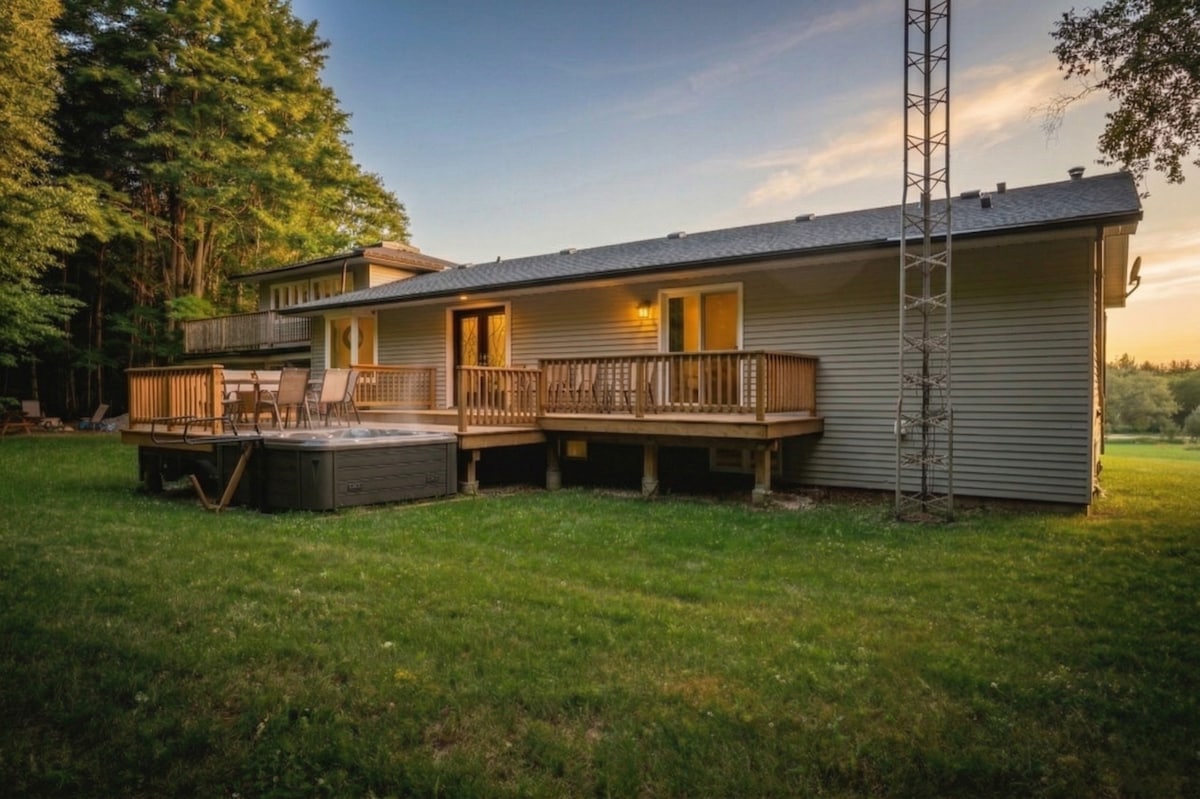
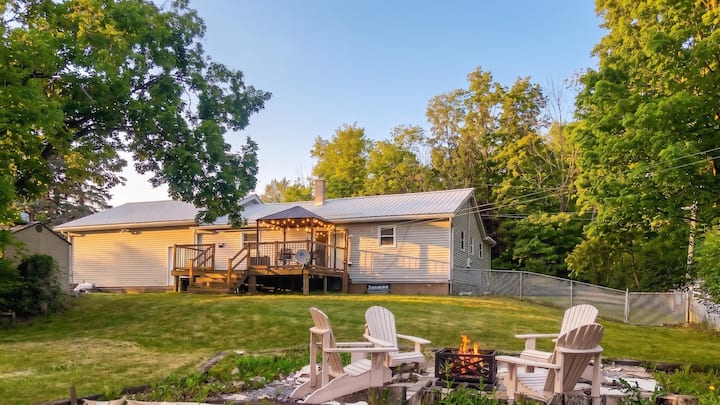
Cards preserve recorded towns: Lion’s Head, Chatsworth, and Bridgenorth, Canada. Their captions identify locations directly and do not determine another property’s requirements or fit.
Local questions
Lion’s Head is within the Municipality of Northern Bruce Peninsula. The Municipality says operators renting accommodation for 30 days or less must hold a valid STA licence, and By-law 2025-34 prohibits advertising or offering an STA without a current valid licence and licence number. Confirm the current property-specific position directly with the Municipality before listing.
The Municipality’s STA webpage says 30 days or less, while the by-law defines an STA as a temporary rental for less than 30 days. That difference leaves the exact 30-day case unresolved on this page. Obtain written direction from the Municipality rather than assuming the stay is outside the program.
Confirm the exact parcel’s zoning and mapped permitted-area status, licence class and availability, servicing and septic information, inspection requirements, insurance, responsible-person arrangements, and Municipal Accommodation Tax process with the appropriate authorities. The by-law prohibits operation or advertising without a current valid licence, and a general community description cannot answer those property-specific questions.
After municipal requirements are addressed, a scope can organize listing work, guest communication, arrival materials, turnovers, property care, maintenance, pricing, and reporting. The division of responsibilities should follow a review of the home’s setup, existing systems, owner involvement, and verified requirements.
Owner inquiry
Tell us about the Lion’s Head property, its current setup, and the operating support you are considering. We begin with the home and your goals while recognizing that zoning, mapped-area status, licensing, servicing, inspection, and tax questions need current property-specific confirmation from the appropriate authorities. A clear early conversation helps identify what is ready for coordination and what still needs verification.
Regional context
Niagara is our home base, and we also consider select management and investment opportunities elsewhere. Our Niagara hub explains the local markets we currently focus on in Ontario.