Ellicottville, New York
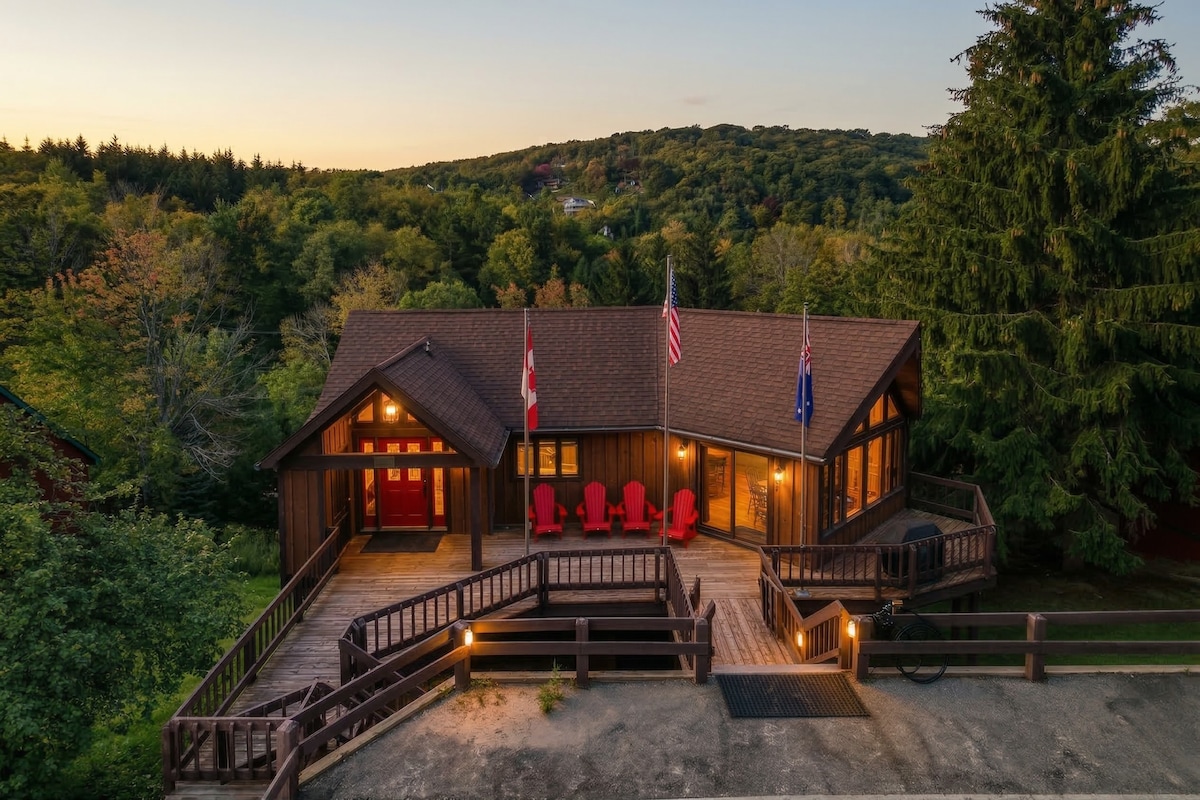
4BR Chalet on Holimont: Views-Hot Tub-Home Theater
Personally owned and managed by us
4.89 (218 reviews)
View listingWhy this market
Lansing’s public recreation can inform accurate guest information. The Town identifies Myers Park as a Cayuga Lake park with a marina, boat-launch ramps, a swimming area, and paddlecraft rentals. It also identifies Ludlowville Park, Salt Point nature preserve by Salmon Creek, and the Lansing Center Trail. These public-area details do not represent access, location, or features at a particular home. Check operating conditions, reservations, and seasonal access with the Town before sharing them with guests.
Useful guest information is verified for the individual property. Arrival instructions should reflect its driveway and parking arrangement; sleeping details should match the usable layout; and outdoor features should be described only as they exist and are ready for use. House guidance can address waste, water systems, quiet hours, and emergency contacts. Clear details are more useful than assumptions drawn from a map or destination description.
A property-first process also supports organized work between stays. An owner may need listing updates, an arrival sequence, turnover coordination, supply checks, or maintenance follow-up. We discuss those needs with the owner’s preferred role in mind and develop a practical scope. Operating planning is separate from the approval and compliance questions that belong with public agencies.
Local rules
The Town of Lansing and separately incorporated Village of Lansing have distinct code resources. Before advertising or accepting stays, confirm the municipality containing the parcel, its zoning district, and the proposed rental configuration. In the Town, published zoning materials use defined lodging categories, including bed-and-breakfast facilities, rooming houses or tourist homes, and hotels or motels. Treatment is district- and use-specific, not an address-level determination. A Cayuga Lake reference, shoreline description, or Lansing mailing address does not substitute for confirming the parcel’s municipality and zoning.
Confirm the municipal path in writing if a proposal may need zoning or building permits, special conditions, site-plan, fire, certificate-of-occupancy, or change-of-use review. The Town says its schedule determines permit and site-plan requirements. Provide the applicable Town or Village office the parcel, plan, parking/access details, and proposed operation. That office determines needed approvals, inspections, and materials.
Health and safety questions require property-specific review. For a Town parcel, published code links permits and certificates of occupancy to applicable sanitary requirements, and certain changes affecting sewage call for Health Department approval. Ask local officials about wastewater capacity, building and fire requirements, parking, access, and inspections before stays are offered. Written direction records what was reviewed and avoids treating a general summary as a permit decision.
Tompkins County separately publishes registration, safety, insurance, and hotel room occupancy-tax materials for short-term rental units. New York State separately addresses sales tax on qualifying occupancy. These programs do not replace municipal zoning or permit review. Confirm current requirements with the responsible agencies or qualified advisers before opening.
Contact the Town of Lansing Planning & Code Enforcement DepartmentWhat we handle
After the owner has confirmed the intended use and applicable requirements, we can discuss hospitality work that fits the home and the owner’s preferred involvement.
The aim is a repeatable process: factual guest information, considerate coordination, and decisions connected to the individual property.
Co-hosting explained
Co-hosting can support selected guest-facing and property-operating tasks while the owner retains chosen decisions. An agreed scope may include listing administration, guest messages, arrival information, turnover coordination, property checks, maintenance follow-up, and reporting. Define responsibility for each activity before guests rely on the arrangement.
A workable scope starts with the home’s condition, service contacts, access needs, turnover rhythm, and owner availability. We document how questions, approvals, and urgent issues will be handled. This can support a launch plan, ongoing coordination, or narrower assistance without blurring responsibilities or guest information.
For a Lansing property, co-hosting does not replace municipal review. Obtain written confirmation from the correct Town or Village office whenever classification, zoning, permits, site-plan review, occupancy review, safety, sanitation, or other local requirements may apply. Once those questions are being addressed, we can focus on readiness, guest clarity, and an operating rhythm that reflects the home.
Nearby homes
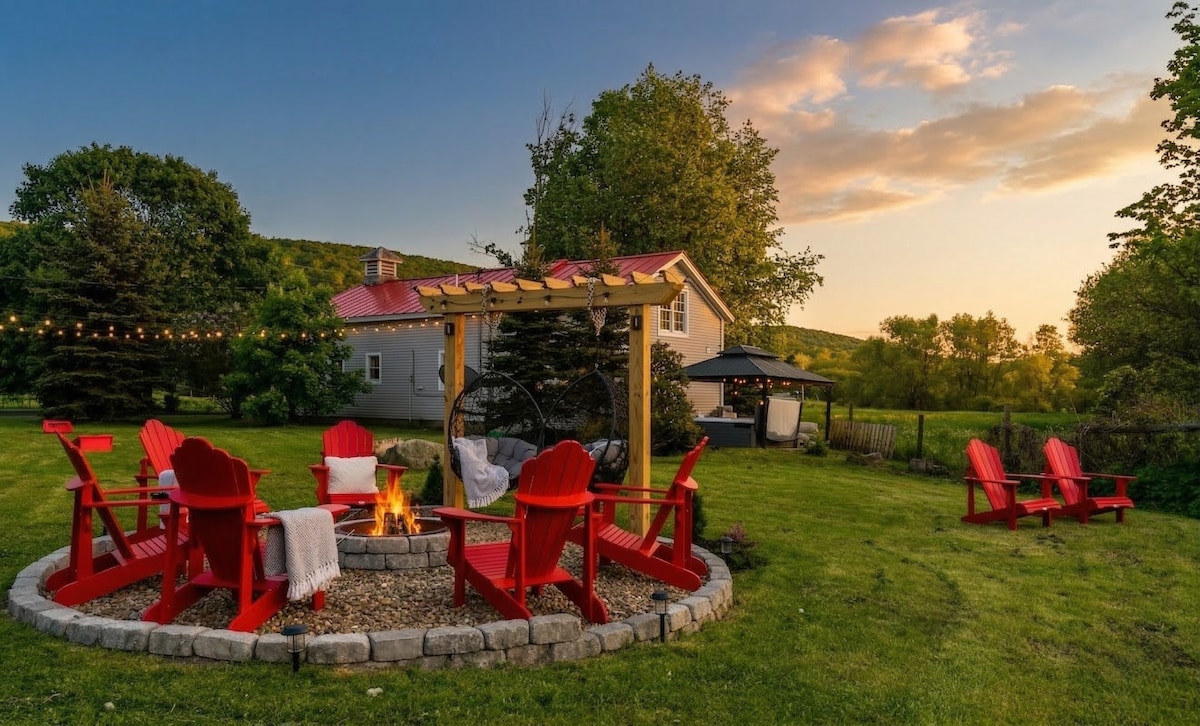
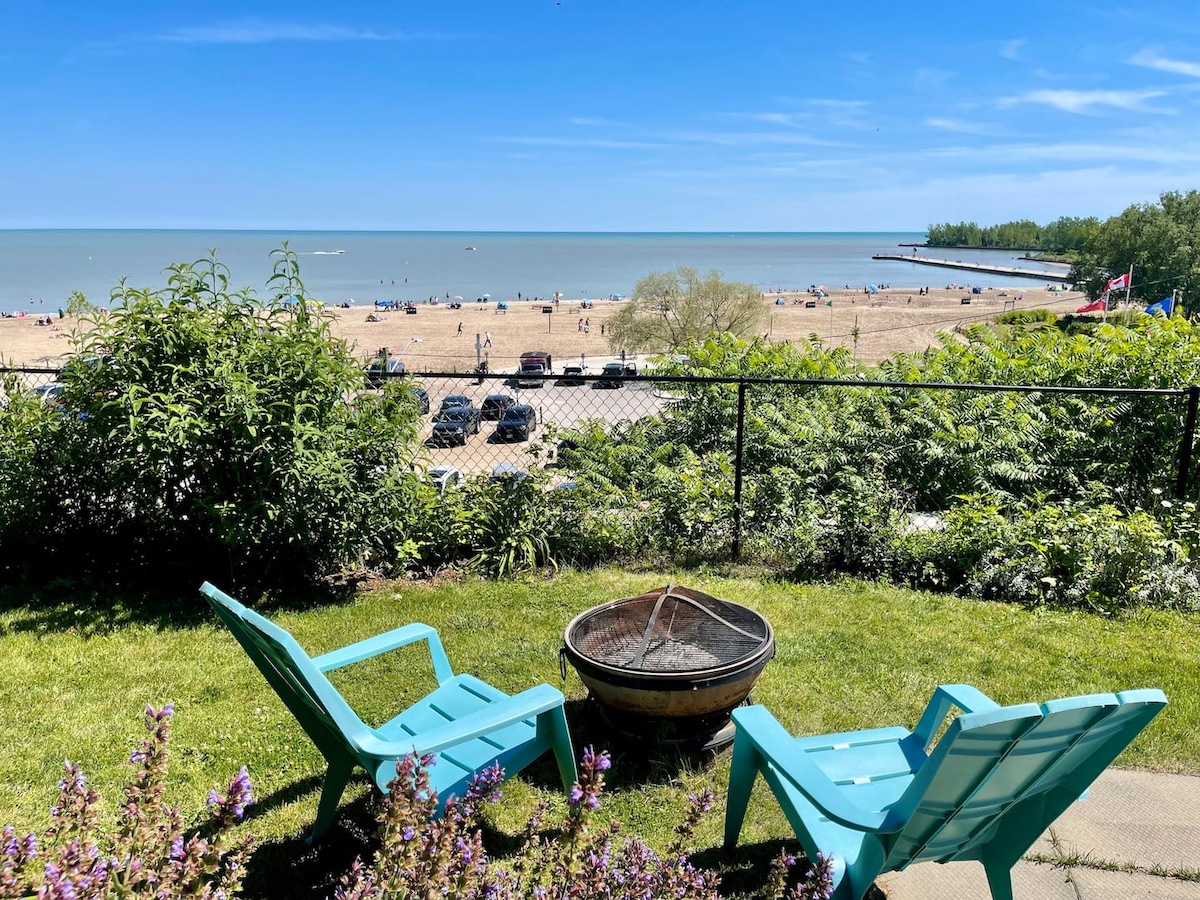
The homes below are portfolio references identified by their actual record towns: Ellicottville, New York, and Port Burwell, Canada. They do not establish another property’s location, condition, use classification, approval status, or operating plan.
Local questions
Confirm the municipality containing the exact parcel. The Town and Village publish separate code resources. Once the boundary and zoning district are confirmed, give the applicable office the proposed lodging arrangement and property details so it can identify the review path.
No. A mailing address, lake reference, or area description does not decide the governing municipality, zoning district, or use classification. Obtain written municipal direction on the actual proposal before stays are offered.
Confirm it before advertising or accepting stays whenever the use may involve zoning classification, permits, special conditions, site-plan review, building or fire requirements, occupancy review, parking or access, or sanitary capacity. The applicable municipal office determines what applies.
Tompkins County publishes registration, safety, and hotel room occupancy-tax materials, while New York State publishes sales-tax guidance. These are separate from local land-use review. Confirm current requirements directly with the relevant agencies or qualified advisers.
After the owner addresses applicable requirements, a scope can allocate listing work, guest communication, turnovers, property care, maintenance follow-up, reporting, and decision rights. A written division of responsibilities clarifies who handles each task.
Owner inquiry
Tell us about the Lansing property, its setup, and the operating support you are considering. Municipality, zoning, use classification, permits, safety, sanitation, County registration, and tax responsibilities require property-specific confirmation. An early conversation can clarify the owner’s role, operating scope, and where written municipal direction should be obtained before stays are offered.
Regional context
Niagara is our home base, and we also consider select management and investment opportunities elsewhere. Our Niagara hub explains the local markets we currently focus on in Ontario.