
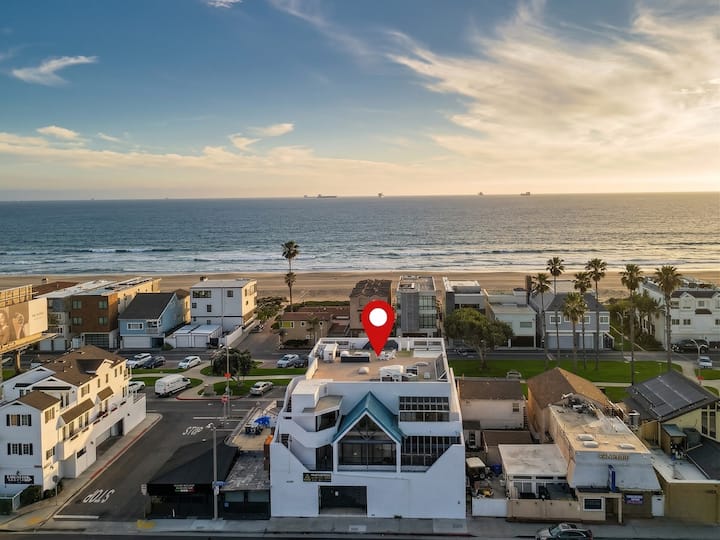
Huntington Beach, California
Ocean View Penthouse: Rooftop Patio | Beach Access
Ocean views · Rooftop patio · Beach access
5.0 (5 reviews)
View listingWhy this market
Laguna Beach combines shoreline recreation with cultural and outdoor amenities. The City describes beaches, hiking trails, a walkable downtown, and summer art festivals, while local visitor information highlights beaches, arts, parks, restaurants, parking, and trolley information. That context can inform the practical questions guests may have, without assuming that a particular home offers access to any feature or has a particular type of visitor interest.
Clear information matters where a home’s setup may shape a stay. Arrival instructions, parking, sleeping arrangements, outdoor spaces, waste procedures, and quiet-hours guidance should be based on verified details. Guest-facing copy is more useful when it distinguishes a home’s own rules from rules that apply in public places or through City regulation.
A property-led review also covers turnover access, maintenance contacts, safety items, and guest questions. The purpose is an orderly experience built around verified home details, rather than broad assumptions about Laguna Beach.
Local rules
Laguna Beach defines short-term lodging as occupancy of 30 consecutive calendar days or less. The City says new short-term lodging is not allowed in R-1, R-2, or R-3 residential districts; only already-permitted residential units may continue as legal nonconforming uses. New lodging may be considered only in listed commercial, mixed-use, Downtown Specific Plan, and South Laguna Village districts, through the applicable City permit path. An address, online listing, or location description does not establish approval.
This is a restricted, capped program. City materials describe a maximum of 300 total short-term-lodging units and up to 165 additional qualifying home-share units, along with conversion limits in commercial and mixed-use districts. The published information does not establish that a permit path or capacity is currently available. Before relying on any plan, an owner should ask the Laguna Beach Planning Division to confirm the parcel’s jurisdiction and zoning, the applicable use permit, current approval availability, and whether the proposed use fits the City’s definitions.
The City identifies several separate requirements for an operator, including a Short-Term Lodging Unit License, business license, applicable Administrative or Conditional Use Permit, and Transient Occupancy Tax registration. Its program materials also address local-contact response, listing license numbers, guest rules, complaint records, occupancy, parking, noise, and site standards. A legacy residential operation needs particular diligence because the City distinguishes a use that may run with land from an owner-specific, nontransferable unit license. Written City direction on the exact property should come before a transaction or operating decision.
Review the City of Laguna Beach short-term lodging programWhat we handle
After an owner has obtained the necessary property-specific confirmations, an operating scope can be discussed around the home’s real condition and the owner’s preferred role.
The objective is straightforward coordination: reliable information for guests and a practical process for the owner.
Co-hosting explained
Co-hosting is a collaborative arrangement in which responsibilities are agreed in advance. Depending on the property and the owner’s role, the scope may cover listing administration, guest communication, turnover coordination, property checks, maintenance follow-up, and reporting. Each responsibility should have a named decision-maker before guests depend on it.
The starting point is the property’s documented setup: access, service contacts, safety information, parking, systems, and the owner’s intended involvement. That discussion can clarify whether the practical fit is a launch plan, continuing coordination, or targeted help with selected operational tasks.
In Laguna Beach, a co-hosting plan cannot replace City review. Planning, licensing, tax-registration, and site-specific questions remain for the appropriate authorities. Once those questions are being addressed, the operating conversation can focus on truthful guest information, readiness between stays, and a useful communication rhythm.
Nearby homes
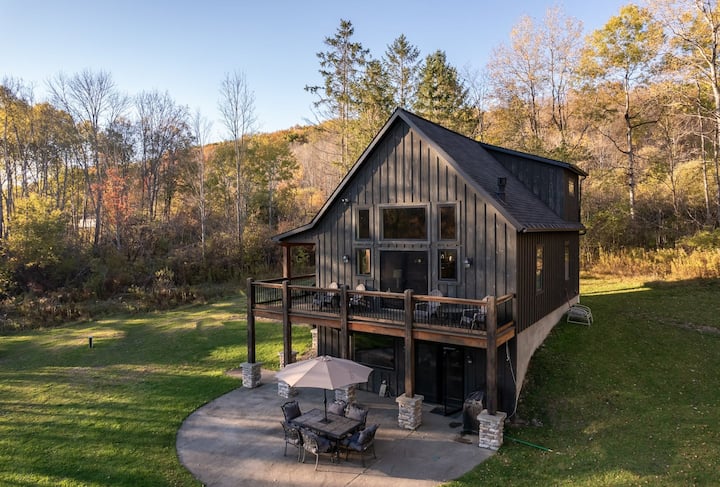
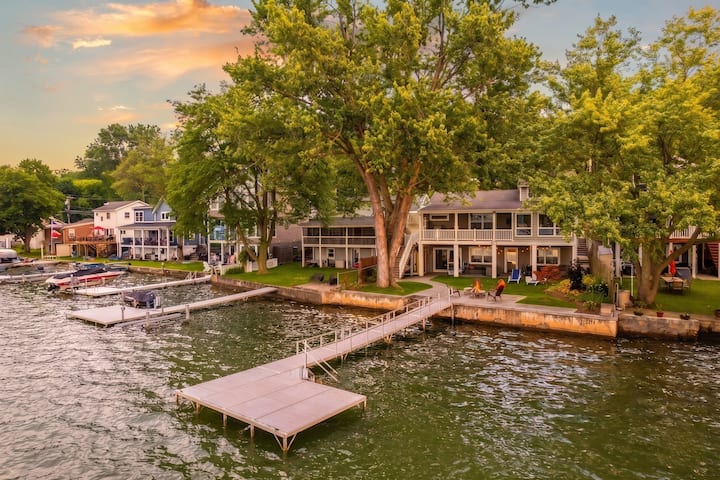
The reference homes below retain their true source locations: Huntington Beach, California; Franklinville, New York; and Conesus, New York. They are portfolio references only and do not determine a Laguna Beach property’s location, approval status, readiness, or operating scope.
Local questions
The City states that new short-term lodging is not allowed in R-1, R-2, or R-3 residential districts. It says already-permitted residential units may continue as legal nonconforming uses. That does not determine the status of an individual address; Planning should confirm the property’s zoning, permit history, and current licensing path in writing.
Confirm the exact City jurisdiction, parcel zoning, permitted-district status, applicable AUP or CUP route, and the current capacity of the capped program with Laguna Beach Planning. The owner should also review property conditions, safety needs, parking, insurance, governing documents, and service contacts with the appropriate professionals and authorities.
City materials identify a Short-Term Lodging Unit License, annual business license, the applicable planning permit, and Transient Occupancy Tax registration. Requirements can also include a local contact, notification, a nuisance-response plan, a surety bond, and operating records. The City should confirm the complete current list for the exact proposed use.
After property-specific approvals and requirements are being addressed, the owner and operating partner can define the roles for listing administration, guest communication, turnovers, property care, maintenance coordination, reporting, and final decisions. The scope should reflect the verified home setup and the owner’s intended involvement rather than a standard template.
Owner inquiry
Tell us about the Laguna Beach property, its current setup, and the support you are considering. We begin with the home and the owner’s goals, while recognizing that local approval, permit availability, zoning, licensing, tax registration, safety obligations, and property-specific conditions require confirmation from the appropriate sources. Sharing the access plan, parking, systems, service contacts, and current guest information makes an early conversation specific. A first review can identify which operating details need City or professional guidance.
Regional context
Niagara is our home base, and we also consider select management and investment opportunities elsewhere. Our Niagara hub explains the local markets we currently focus on in Ontario.