
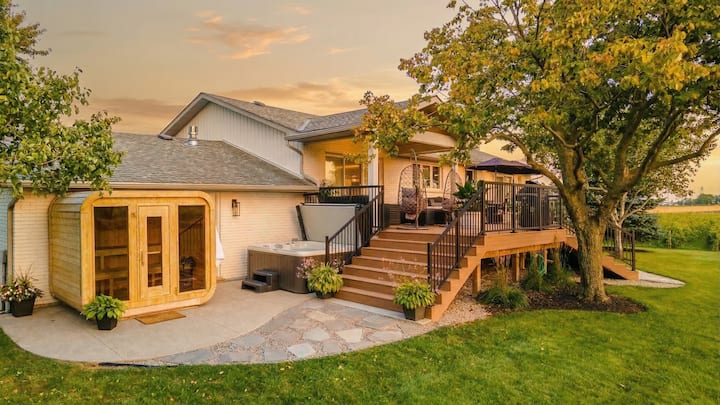
Lincoln, Canada
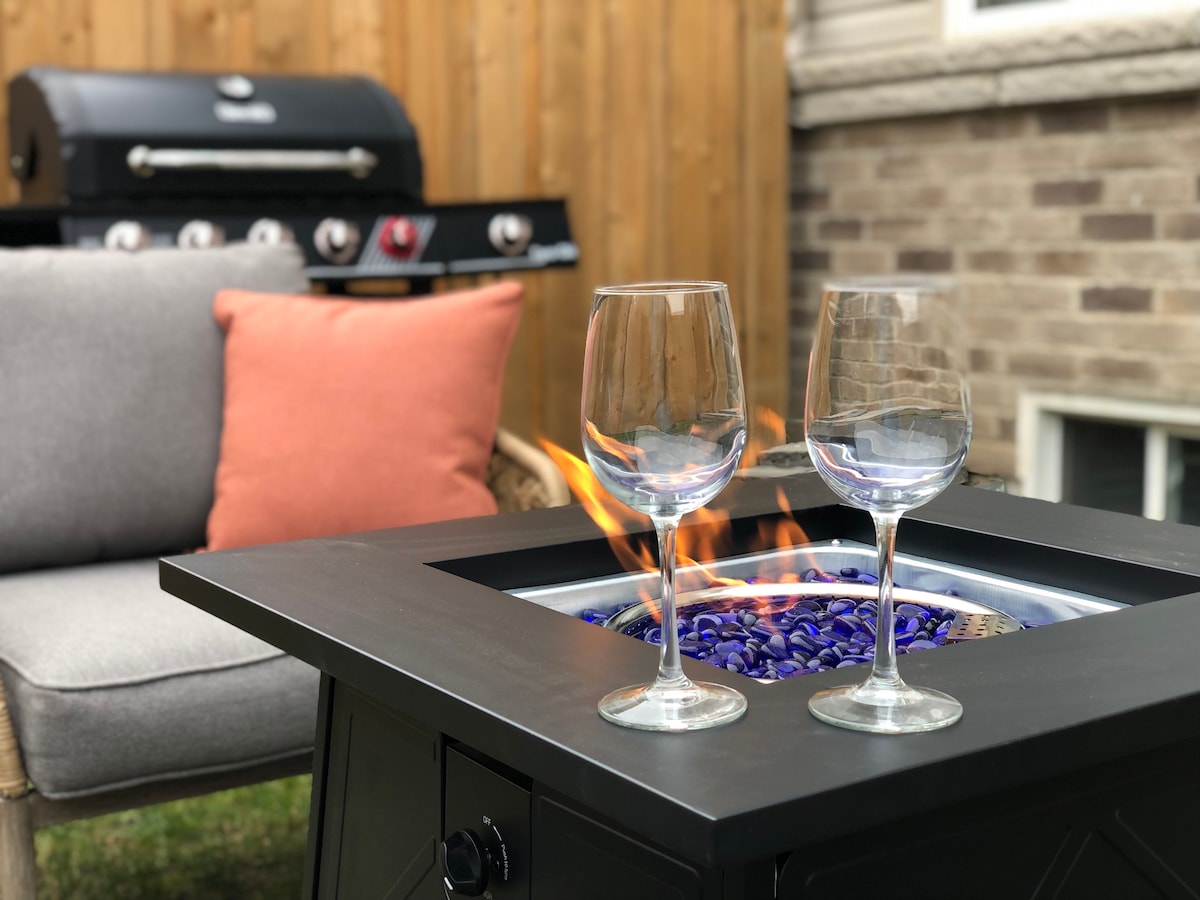
3BR Home: King Suite & Backyard-Close to Wineries
Top 10% of homes · Self check-in · Extra spacious
4.93 (163 reviews)
View listingWhy this market
Hamilton is not a one-note destination. The City’s parks and green-space network includes trails, public beaches, open-space lands, and more than 100 waterfalls, while its waterfront offers places such as Pier 8 on Hamilton Harbour. A guest may be planning time outdoors, a waterfront outing, or a visit built around the city itself. We use that range as context, not as a promise about what any particular home or visit will provide.
The city also carries a visible heritage and cultural layer. Hamilton Civic Museums include Dundurn National Historic Site and Battlefield House Museum & Park National Historic Site, and the City’s events calendar brings together arts, culture, and community programming across the year. Those resources can help an owner consider the questions guests may have, but the listing should remain focused on the home’s true setting, layout, access, and amenities.
Seasonal conditions deserve the same discipline. The City notes that beach-water monitoring, park washroom access, waterfront programming, and Pier 8 activities can vary by season or weather. Rather than assume one visitor itinerary or a fixed calendar, we help build guest information around confirmed details, practical arrival guidance, and the features the property actually offers at the time of a stay.
Local rules
Hamilton defines a short-term rental as sleeping accommodation provided to the travelling public for less than 28 consecutive days in exchange for payment or other remuneration. The City says an operator licence is required to legally operate an STR, and its program regulates operators as well as online-platform brokers. The City permits STRs only in the licensed operator’s principal-residence dwelling unit, limiting an operator to one STR licence in that dwelling unit and prohibiting commercial or multi-listing operators. A tenant may apply with property-owner permission.
The City lists material application and safety requirements, including contact and parking information, a principal-residence declaration, a 24/7 emergency contact, adequate insurance, a guest-information package, and a fire-escape plan. It also identifies smoke alarms, carbon-monoxide alarms, and, for a secondary dwelling unit, a zoning verification. The City requires host-liability or commercial-general-liability insurance of at least $1 million per occurrence and limits overnight occupancy to two people per sleeping room, with children aged two and under exempted.
Following a complete paid application, Hamilton Fire reviews compliance with the Fire Protection and Prevention Act and Ontario Fire Code. For an entire-dwelling operator licence, a Licensing Compliance Officer schedules a Property Standards inspection; the City says a licence may be issued only after inspections are complete and the property complies with municipal by-laws and relevant legislation. The City’s current Municipal Accommodation Tax is 4% of the accommodation charge for continuous stays of 29 nights or less, effective July 1, 2026. Operators remain responsible for collection, reporting, and remittance even when a booking is made through an online platform. Current requirements should be confirmed directly with the City before listing.
Review the City of Hamilton’s short-term-rental licensing guidanceWhat we handle
Good short-term-rental management is more than publishing a listing. We look at the home, the owner’s objectives, and the practical work needed to give guests useful information while maintaining a consistent operating rhythm.
The objective is a clear, workable system for the property rather than a generic package. We define responsibilities early so the guest experience and the owner’s decisions remain connected to what the home can genuinely support.
Co-hosting explained
Co-hosting is an operating relationship in which the owner and management partner decide who handles the guest-facing work and the recurring tasks around the home. Depending on the agreed scope, that can include listing oversight, guest communication, arrival coordination, turnovers, maintenance coordination, and the property-care routines that support each stay. The owner retains the decisions they choose to keep.
We start by understanding what is already in place and what still needs to be organized. That means looking at the property’s setup, the owner’s level of involvement, the guest information that needs to be accurate, and the local requirements that must be addressed. A written scope makes it easier to establish approvals, communication paths, and the standards that matter before guests depend on them.
For a Hamilton-area conversation, we do not substitute broad destination language for operating detail. The useful work is making sure the home’s real configuration, seasonal considerations, and guest process are reflected in the plan. Co-hosting works best when the responsibilities are specific, visible, and reviewed together.
Nearby portfolio
The following nearby homes are identified by their actual towns. They offer a small view of the varied property settings we work with while keeping each home’s location distinct. Their inclusion is not a statement about any other property or location; an owner conversation always begins with the home under consideration and its own operating context.
Local questions
We consider each inquiry individually. We begin with the home, the owner’s goals, the current municipal requirements, and the practical operating support needed for the property. That review helps us determine whether there is a clear, responsible scope to discuss.
The City says an operator licence is required to legally operate a short-term rental. Its current framework limits STRs to the licensed operator’s principal-residence dwelling unit. Municipal materials should be checked directly for the requirements that apply before an owner lists a home.
Hamilton states that a tenant of a rental unit may apply with the property owner’s permission, provided the other required information is supplied. The City’s licensing guidance is the appropriate source for reviewing the current application materials and conditions.
A useful starting point is the home’s current setup, the owner’s intended involvement, any existing guest process, and the municipal questions that need confirmation. From there, we can talk about the responsibilities that need support and how an operating plan could be organized around the actual property.
Owner inquiry
Tell us about the Hamilton property, its current setup, and the support you are considering. Include the questions you have about guest operations, property care, or a potential co-hosting scope. We will begin with the home and owner priorities, then discuss whether a defined operating relationship makes sense.
Regional context
Niagara is our home base, and we also consider select management and investment opportunities elsewhere. Our Niagara hub explains the local markets we currently focus on in Ontario.