
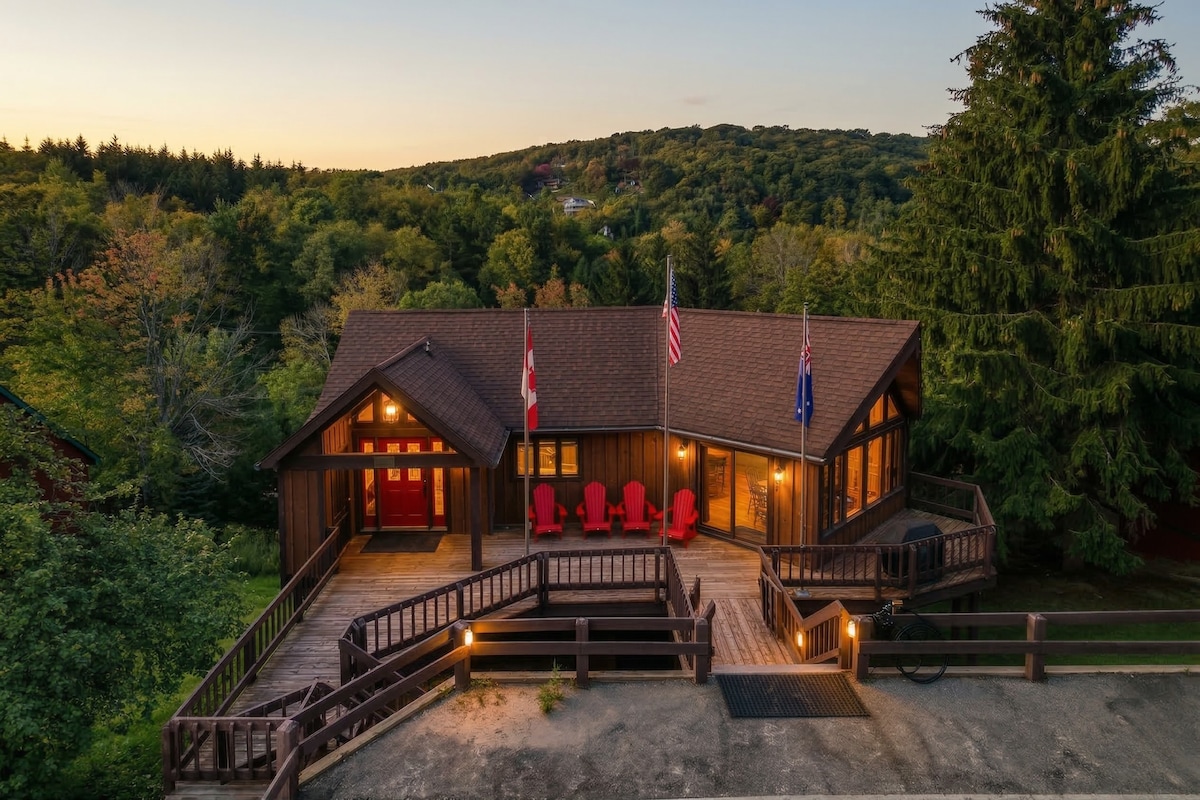
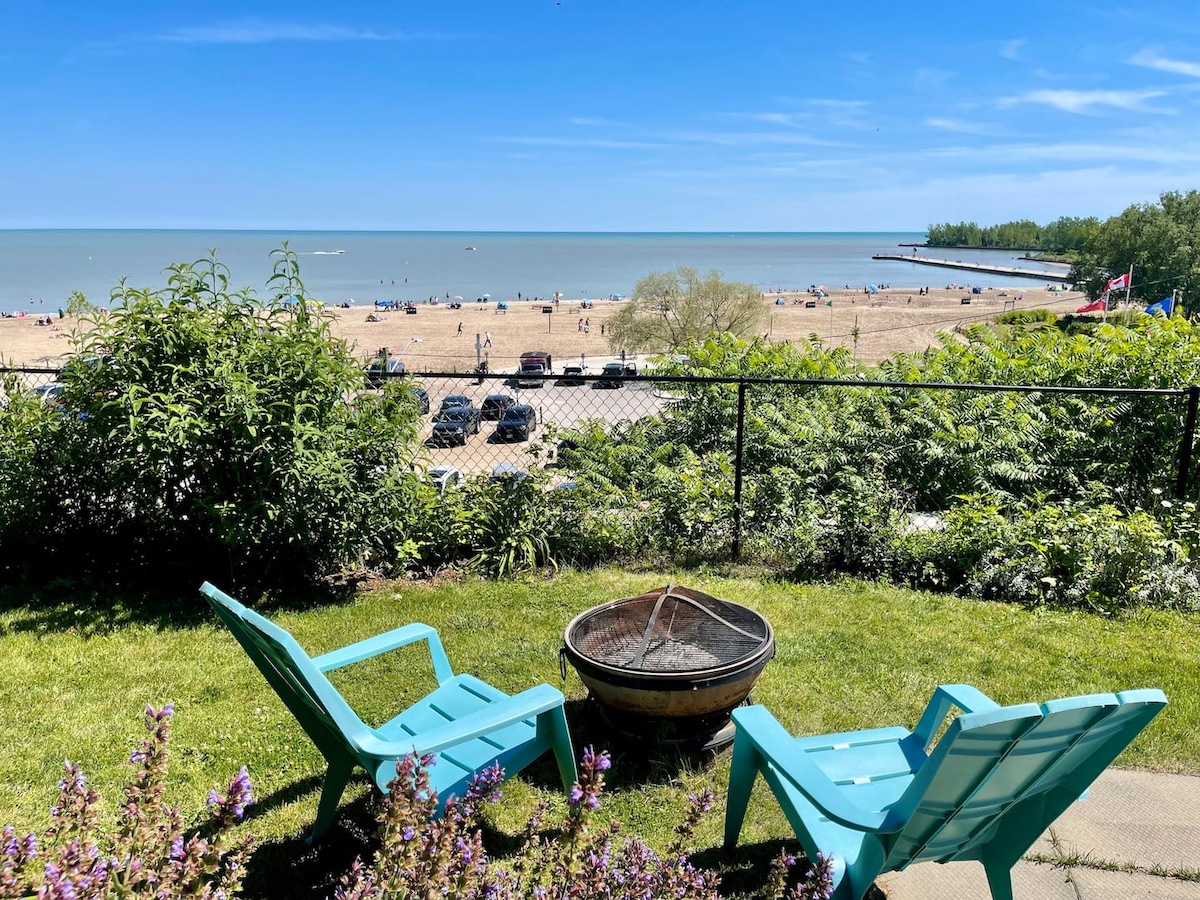
Port Burwell, Canada
Peaceful Cottage on Lake Erie with Stunning Views!
Lake Erie · Peaceful setting · Lake views
View listingWhy this market
Halifax’s public visitor setting includes the municipal Waterfront Boardwalk, a 3.8-kilometre route from Pier 21 to Casino Nova Scotia. HRM lists walking, biking, bird watching, accessibility features, washrooms, benches, parking, and picnic tables. This can inform a local guide, but does not establish what a home provides or what access a guest will have. Guest material should separate public-space information from verified property details.
HRM describes Point Pleasant Park as a 75-hectare wooded park at the south end of the Halifax peninsula with 39 kilometres of trails, fortification ruins, public restrooms, and some wheelchair accessibility. A listing should be precise about the home’s entry, parking, sleeping arrangement, outdoor areas, and house guidance.
Tourism Nova Scotia says Halifax Metro’s tourism season peaks between April and November and identifies cultural events. Pre-arrival material should use confirmed home details and official resources.
Local rules
HRM defines a short-term rental as a dwelling unit, or part of one, used mainly to receive the travelling or vacationing public for compensation for 28 days or less. Its framework distinguishes residential and commercial rentals, whole-dwelling and bedroom rentals, and the plan area and zone. A residential rental involves an operator living in the same dwelling unit. HRM says a whole-home residential rental within the host’s primary dwelling unit requires a Zoning Confirmation Letter. A commercial rental, where the operator does not live in the rented unit, is permitted only in applicable zones and requires a Development Only Permit. HRM directs uncertain applicants to contact 311 and speak with a planner.
HRM says residential bedroom rentals require the host’s primary residence and on-site presence while rooms are occupied; the concurrent-bedroom limit is typically three, though some zones allow up to six. Residential and commercial bedroom rentals require a Development Only Permit. Before acting, check the civic address through HRM’s mapping, identify the plan area and zone, review the land-use by-law, and obtain the relevant Zoning Confirmation Letter or Development Only Permit. These are category-level steps, not a conclusion for an address.
HRM’s Residential Rental Registry also applies to short-term rentals. It is a one-time municipal registration, and HRM says registration alone does not confirm compliance with other requirements. Province-wide, accommodation offered for 28 consecutive days or less must be registered before operating. Nova Scotia’s registration is annual, renews by April 1, requires an advertising registration number, and requires proof of municipal land-use compliance. For a commercial rental, provincial guidance says the property owner must register. The practical sequence is municipal land-use confirmation, municipal rental registration, then provincial registration, with separate confirmation of fire, building, tax, consent, insurance, and other obligations.
Review Halifax Regional Municipality’s short-term-rental guidanceWhat we handle
Once an owner is addressing the requirements for the property, we can discuss a hospitality scope shaped by the home, its systems, and the owner’s preferred role.
The objective is clear guest information, documented responsibilities, and decisions tied to the actual home rather than a generic destination template.
Co-hosting explained
Co-hosting can organize agreed guest-facing and property-operating work while an owner retains chosen decisions. The scope can address listing administration, guest communication, turnover coordination, property checks, maintenance follow-up, and reporting. Before guests depend on the process, identify who approves expenditures, responds to issues, and records updates.
A practical review inventories entry procedures, utilities, cleaning standards, service providers, supplies, emergency contacts, maintenance history, parking instructions, and house guidance. It does not determine zoning, registry, permit, building, fire, tax, insurance, condominium, tenancy, or other legal obligations. Those matters need address-specific documents and direction from HRM, the Province, an association where relevant, an insurer, or a qualified adviser.
For a Halifax inquiry, an owner can assemble operational information and pursue the municipal and provincial steps appropriate to the intended use. The co-hosting discussion can then focus on truthful listing content, clear communication, operating routines, and the owner’s role without treating a general summary as address-specific approval.
Portfolio references
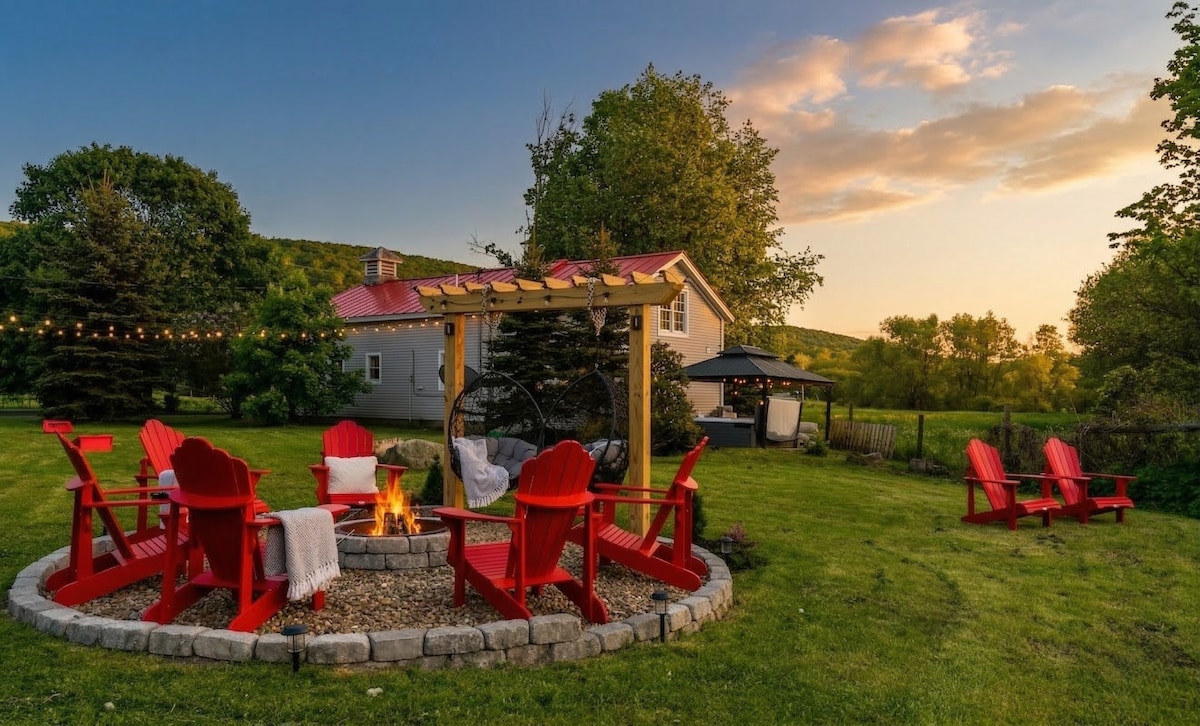
The portfolio cards retain each property’s actual recorded town and listing name. They are reference examples only; they do not state that a home is in Halifax or establish another property’s location, classification, registration, readiness, or requirements.
Local questions
HRM describes a residential rental as one in which the operator lives in the same dwelling unit and a commercial rental as one where the operator does not. The municipal path, permitted zone, and required document differ by category. Confirm the classification and zoning for the civic address with HRM.
Use HRM’s mapping and the land-use by-law for the civic address. Obtain the relevant Zoning Confirmation Letter or Development Only Permit and complete the Residential Rental Registry process, as applicable. Registration alone does not confirm compliance with other requirements, so address property-specific safety, consent, insurance, and other questions with appropriate sources.
Yes. HRM’s Residential Rental Registry is a one-time municipal registration, while Nova Scotia requires annual registration for accommodation offered for 28 consecutive days or less. The provincial process requires municipal land-use compliance, renews by April 1, and requires an advertising registration number. Check live provincial guidance before acting.
A co-hosting scope can divide listing work, guest communication, arrival support, turnovers, property care, maintenance coordination, reporting, and approvals. It follows a review of verified home information and the owner’s role; it does not replace address-specific municipal and provincial compliance steps.
Owner inquiry
Tell us about the Halifax property and the operating support you are considering. We begin with verified home information and your goals, recognizing that land use, permit route, municipal and provincial registration, safety, tax, insurance, condominium, tenancy, and other requirements need property-specific confirmation. An early conversation can identify what is documented, what needs verification, and how co-hosting could divide responsibilities.
Regional context
Niagara is our home base, and we also consider select management and investment opportunities elsewhere. Our Niagara hub explains the local markets we currently focus on in Ontario.