

Hamilton, Canada
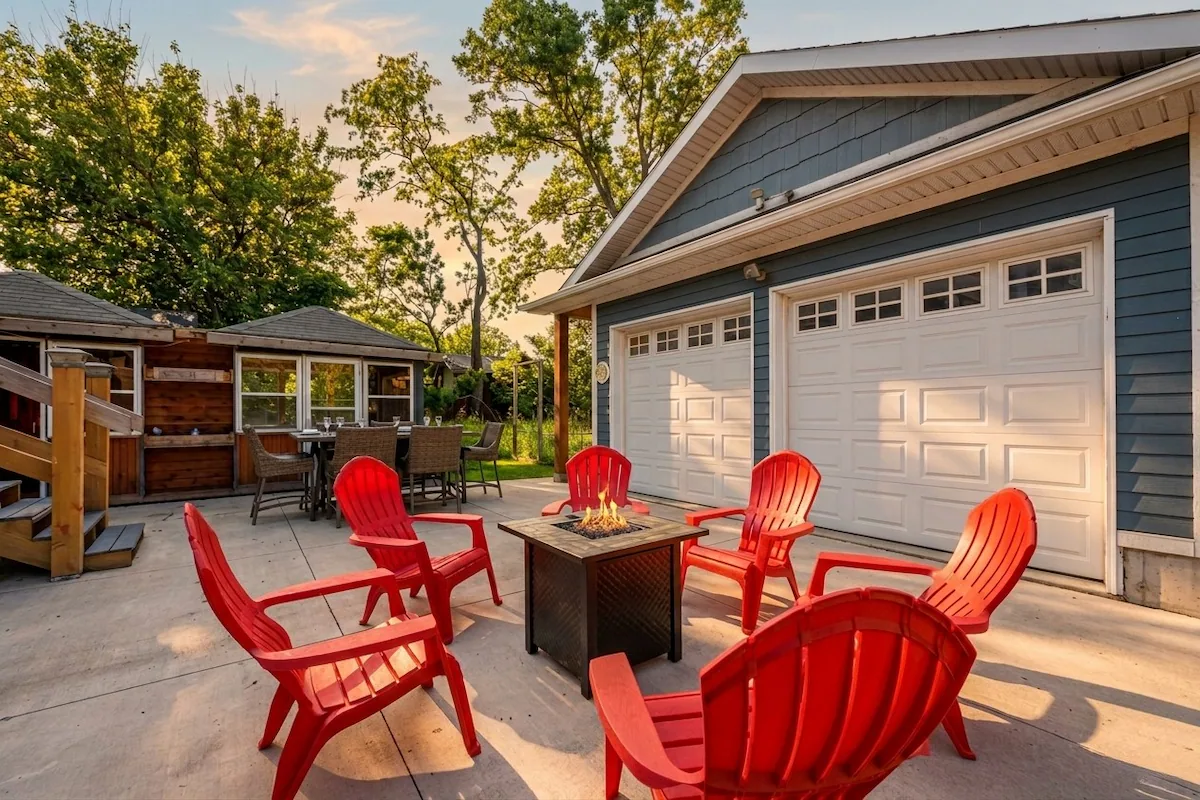
Beachfront Escape | Lakeview deck, Hot Tub, Games
On the lake · Hot Tub · Self check-in
View listingWhy this market
Etobicoke’s Lake Ontario edge is useful local context. The Toronto and Region Conservation Authority describes 9.7 kilometres of waterfront from Marie Curtis Park at Etobicoke Creek to the Humber River’s mouth. A guest guide can acknowledge public waterfront settings while staying precise about the home’s actual features.
Humber Bay Park West extends into Lake Ontario and has paved pathways, parking, a washroom, drinking fountain, fenced off-leash area, and birdwatching opportunities. The City notes that ducks overwinter there. These public features can inform local information, but they are distinct from a property’s amenities. Arrival instructions and house rules should be specific to the home.
Centennial Park includes the Conservatory, Etobicoke Olympium, Rob Ford Stadium, Pan Am BMX Centre, and a FIFA World Cup 2026 practice pitch. Cherry blossoms usually peak in late April or early May, while other activities can be seasonal. Permit holders can take precedence. This is guest-information context, not a prediction about stays or facility availability.
The operating plan starts with sleeping arrangements, entry, service contacts, emergency information, maintenance needs, and owner involvement. Reviewing these details keeps listing copy, arrival communication, turnovers, and property care aligned with the property.
Local rules
Etobicoke has been part of the City of Toronto since 1998, so Toronto’s short-term-rental program and Municipal Code Chapter 547 apply. A short-term rental is paid rental of all or part of a dwelling for fewer than 28 consecutive days. The operator must be at least 18, use and demonstrate a principal residence in Toronto, and register before operating. Only one principal residence is permitted. A secondary or investment property is prohibited from STR use under the City program.
The City prohibits unregistered STR advertising and requires a City-issued registration number in every listing. A registered entire-unit operator is limited to 180 nights per calendar year. A partial-unit operator may rent up to three bedrooms in the principal residence for unlimited nights, cannot rent the whole dwelling at the same time, and must advertise consistently with the registered type. The City lists a $390 non-refundable fee; registration lasts one year and requires renewal.
The home must be in a residential area. The City also requires a 24-hour emergency contact and emergency-contact information and exit diagrams during the rental. For stays beginning August 1, 2026, registered operators must collect and remit 6% Municipal Accommodation Tax and file a report each reporting period, even where a platform collected the tax or no tax was collected.
Important questions are address specific and unresolved on a general page. Registration does not replace zoning review: Toronto says city-wide and former municipal zoning by-laws can both apply, and former Etobicoke rules may add requirements. Condominium bylaws can prohibit an STR despite City registration, and renters should review a lease or obtain written consent. Secondary, laneway, and garden suites remain subject to the principal-residence rule; a secondary suite must also be permitted by zoning and comply with Building and Fire Codes. Confirm these matters with the City and appropriate advisers before listing.
Review City of Toronto short-term rental operator guidanceWhat we handle
Once an owner is reviewing the requirements for the property, we can discuss recurring work that makes a stay organized. The scope starts with the home’s setup and the owner’s priorities.
The objective is an orderly, property-led process: useful information for guests, thoughtful coordination behind the scenes, and decisions tied to the home’s actual condition.
Co-hosting explained
Co-hosting is a collaborative arrangement in which an owner and management partner agree on work around the stay. Depending on scope, that can include listing administration, guest communication, turnover planning, property checks, maintenance follow-up, and reporting. The owner retains the decisions they want to keep, and responsibilities should be defined before guests depend on them.
The first conversation considers the home’s setup, access, service contacts, emergency information, and owner involvement. Clear approvals and communication paths can then be set for guest-facing details and work between stays, keeping the listing and operation consistent with the property’s real capabilities.
For an Etobicoke property, support cannot replace the operator’s City obligations or resolve property-specific questions. The operator must address principal-residence and registration rules, while zoning, condominium, tenancy, and suite questions require their own review. With those questions checked through appropriate sources, we can focus on hospitality and property-care responsibilities.
Nearby portfolio
The homes below are shown with their real town, Hamilton. They are portfolio examples and do not determine another home’s permitted use or characteristics.
Local questions
Etobicoke is part of the City of Toronto, so the City’s short-term-rental program and Chapter 547 apply. A general area label does not settle property-specific zoning, condominium, tenancy, or suite questions; confirm them for the address.
No. The City states that short-term rentals are permitted only in an operator’s principal residence and says a secondary or investment property may be rented long-term instead. The operator can have only one principal residence at a time.
A registered entire-unit operator may rent the dwelling for up to 180 nights per calendar year. A partial-unit operator may rent up to three bedrooms in the principal residence for an unlimited number of nights, subject to the registered rental type and the City’s other rules.
Yes. City registration does not replace property-specific zoning review, and Toronto says former municipal zoning by-laws may apply alongside the city-wide by-law. Condominium bylaws and rules may also prohibit an STR. Renters should check whether their lease permits the use or seek written consent.
Owner inquiry
Tell us about the Etobicoke property, its setup, and the support you are considering. We begin with the home and your goals, while recognizing that City registration, tax, zoning, condominium, tenancy, and other property-specific questions need confirmation before an operating scope is discussed.
Regional context
Niagara is our home base, and we also consider select management and investment opportunities elsewhere. Our Niagara hub explains the local markets we currently focus on in Ontario.