
Franklinville, New York
Private Escape Near Ellicottville| Hot Tub•Scenic
Self check-in · Peace and quiet · At-home coffee
4.96 (51 reviews)
View listingWhy this market
Twin Brook, at 175 Tuttle Road, is a Town-described four-season park with trails, athletic fields, disc golf, restrooms, and winter trail grooming. Its listed activities include walking, hiking, running, snowshoeing, cross-country skiing, biking, soccer, and nature observation. These public facts can inform a guest guide, while a home’s access, parking, equipment, and house rules must be described separately.
Broad Cove Reserve, Knight’s Pond Preserve, Rines Forest, and the Town-operated Val Halla golf course are also part of Cumberland’s public setting. They do not establish access from any home or a standard guest itinerary. Good hosting information keeps public destinations, municipal guidance, and verified property features distinct.
Season changes the details worth checking before a stay. Twin Brook publishes different winter and spring-through-autumn hours and identifies winter trail grooming alongside warm-weather activities. That context is a prompt to review the home’s real arrival instructions, exterior lighting, outdoor setup, service contacts, and guest communications—not to make broad assumptions about a visit.
Local rules
Cumberland’s zoning ordinance says a use not specifically allowed as permitted or special-exception use is prohibited. The reviewed code does not establish a separate short-term-rental definition or stand-alone registration program. It does define a dwelling unit to include rentals regardless of rental period and excludes one dwelling unit on one lot from commercial use. That is context, not a blanket authorization. The parcel’s district, overlays, prior approvals, and operating facts need Code Enforcement review.
A bed-and-breakfast is a distinct use and should not be assumed to resolve a whole-home rental question. Its definition includes resident-provided lodging in a single-family dwelling, limits on guest bedrooms and guests, breakfast-only food service, Fire/EMS life-safety certification, applicable state approvals, and a certificate of occupancy. Present the proposed model as it will operate rather than select a label first.
Before advertising or accepting bookings, provide Code Enforcement with the parcel address or map and lot, on-site-residence status, whether rooms or the whole dwelling are involved, sleeping plan, parking, septic or water arrangement, food service, and planned work. Request written confirmation of the zoning district, use classification, and every municipal approval that applies. State licensing and tax responsibilities should be confirmed with the appropriate agencies and advisers.
Review the Town of Cumberland zoning ordinanceWhat we handle
After an owner has checked the intended use and the requirements that apply to the property, we can discuss the hospitality work that fits its setup and the owner’s preferred role. The scope starts with verified property information, clear responsibilities, and practical standards—not a preset version of every home.
The aim is an orderly, property-led process: accurate information for guests, thoughtful coordination behind the scenes, and decisions grounded in the home’s actual condition.
Co-hosting explained
Co-hosting can support agreed guest-facing and property-operating work while an owner retains key decisions. Responsibilities may include listing administration, guest communication, turnover coordination, property checks, maintenance follow-up, and reporting. Identify who handles each responsibility before guests rely on it.
The right arrangement is specific to the property and owner’s involvement. We begin with the home’s setup, service needs, existing systems, and records or approvals the owner wishes to retain. That can clarify whether launch support, ongoing coordination, or a limited scope is practical.
For a Cumberland opportunity, hospitality planning does not replace municipal or property-specific due diligence. Once use, safety, and other questions are being addressed with proper sources, the focus can return to clear guest information and readiness between stays.
Nearby homes
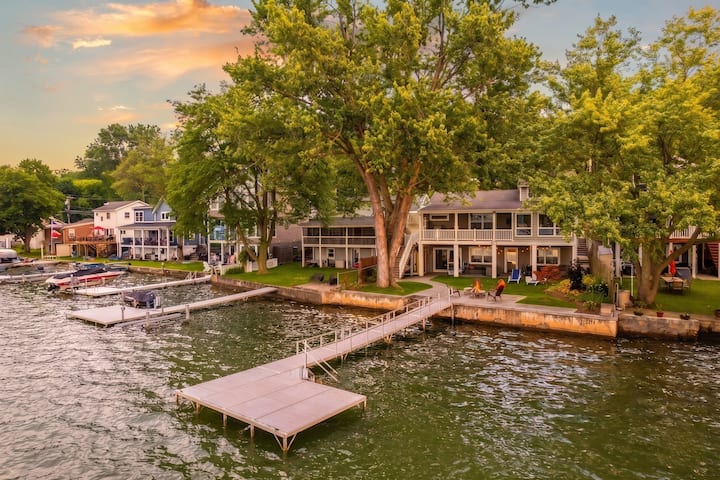
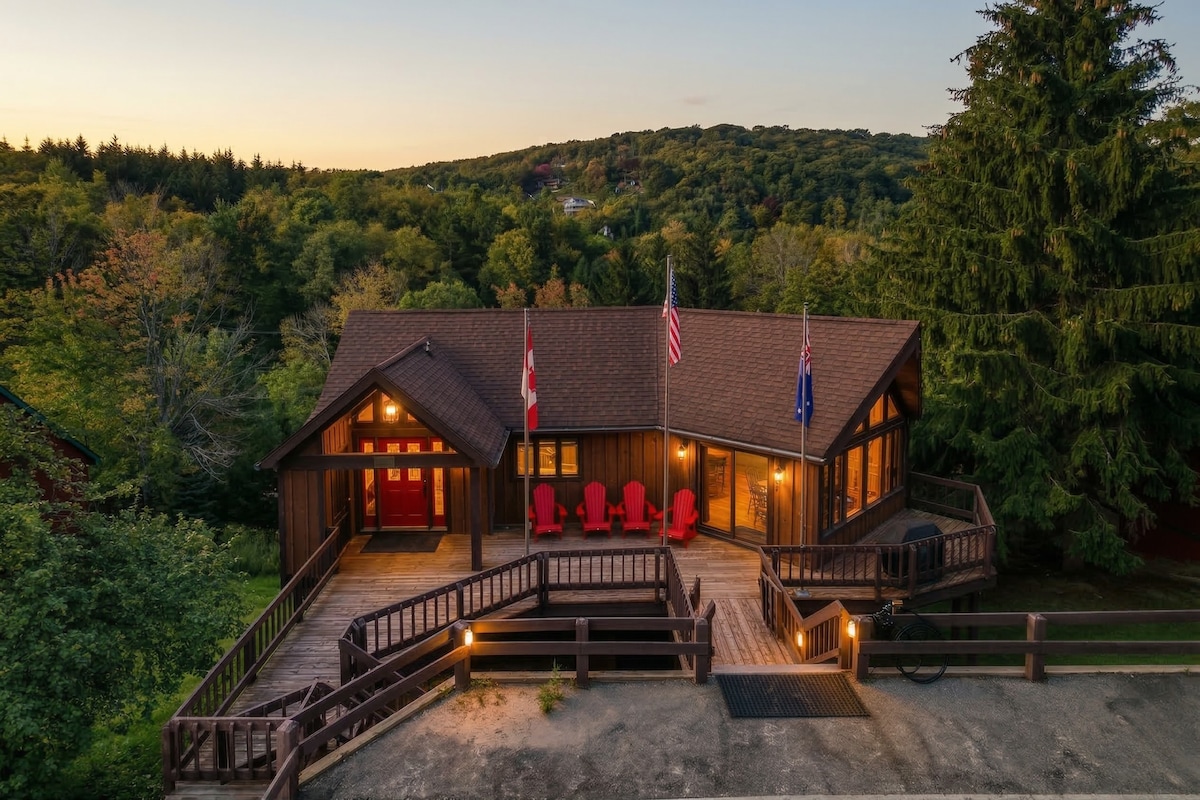
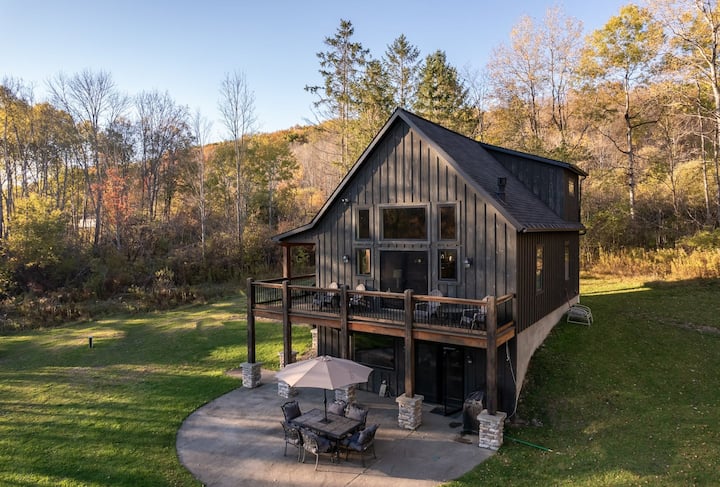
The homes below are portfolio references identified by their actual towns: Franklinville, Conesus, and Ellicottville, New York. Each card preserves the home’s listing name and location; it does not establish another property’s location, readiness, use, or requirements.
Local questions
The public Code Enforcement application catalog reviewed for this page did not show an application titled short-term rental or vacation-rental registration. That is not proof that no local approval is needed. Cumberland’s zoning ordinance and the actual parcel and operating plan should be reviewed with Code Enforcement before a home is advertised or bookings are accepted.
No. The ordinance’s rental-period language and commercial-use exclusion are relevant provisions, but they are not a blanket eligibility finding. The Town’s rule on unlisted uses, the exact zoning district, overlays, existing approvals, and the proposed operating facts all need a written, address-specific interpretation from Code Enforcement.
Start with the parcel address or map and lot and a precise description of the operation: whether the operator resides on site, whether rooms or the entire dwelling are involved, sleeping and occupancy plans, parking, septic or water arrangements, food service, and planned changes. Ask which use classification and reviews apply and request the response in writing.
After the owner is addressing the requirements that apply to the actual property, a co-hosting scope can define responsibilities for listing administration, guest communication, turnovers, property care, maintenance coordination, reporting, and approvals. The arrangement should reflect the home’s setup and the owner’s intended involvement rather than a preset package.
Owner inquiry
Tell us about the Cumberland property, its current setup, and the operating support you are considering. We begin with the home and your goals while recognizing that zoning district, use classification, approvals, safety, septic or water arrangements, state licensing, and tax questions require property-specific confirmation from the proper authorities and advisers. A clear early conversation helps separate verified information from questions that need attention and identify whether a collaborative operating scope makes sense.
Regional context
Niagara is our home base, and we also consider select management and investment opportunities elsewhere. Our Niagara hub explains the local markets we currently focus on in Ontario.