Franklinville, New York
Private Escape Near Ellicottville| Hot Tub•Scenic
Self check-in · Peace and quiet · At-home coffee
4.96 (51 reviews)
View listingWhy this market
Cape Elizabeth’s official visitor materials describe a setting of lighthouses, coastal parks, history, cycling, and shoreline scenery. Fort Williams Park is Town-managed beside Portland Head Light, with historic structures, recreation areas, and ocean views. That context can inform a guest guide, but each property description should remain tied to the features, access, and house rules the owner has confirmed for that home.
Crescent Beach State Park and Two Lights State Park have their own rules, fees, seasonal conditions, and visitor information. Crescent Beach is described by the State as a mile-long crescent beach with picnic tables, grills, a playground, and a bathhouse. Two Lights is described as rocky headlands with Gulf of Maine and open-Atlantic views. A thoughtful guide directs guests to current official information instead of promising conditions, services, or access.
Clear arrival and stay information matters in a coastal setting. The operating plan should account for the property’s actual parking, sleeping layout, outdoor areas, wastewater or utility systems, safety information, service contacts, and weather-ready procedures. Municipal short-term-rental standards also prohibit tenant and guest on-street parking, so parking guidance should be specific to the site and must not rely on public-way overflow.
Local rules
Cape Elizabeth defines a short-term rental as a dwelling or part of a dwelling made available for transient occupancy of less than 30 consecutive calendar days, with stated exclusions for motels, hotels, and bed and breakfasts. The Town says a current short-term-rental permit is required before a unit is advertised, rented, or operated. Its ordinance standards identify four permitted types. An owner should work from the Town’s current materials rather than assume a general vacation-rental model applies to a particular parcel.
The standards include different conditions for Primary Residence Hosted, Primary Residence Unhosted, 7 Acres Plus, and STR Adjacent arrangements. They address owner occupancy, primary-residence status, lot configuration, annual operating-day limits, and rental cadence. The permit is issued to the property owner, and advertising must use the current permit number, match the permit, and include the Town’s prescribed availability statement. Only Town staff can apply those requirements to a specific property.
Town materials address an inspection, evacuation planning, on-site parking, a rental-agreement addendum, alarm and emergency-lighting requirements, wastewater or sewer adequacy, guest-management expectations, and reservation records. The Town’s 2026 registration notice identifies GovWell as the current portal. Confirm the current process and applicable standards directly with Code Enforcement before making operational decisions.
Review the Town of Cape Elizabeth short-term-rental ordinance standardsWhat we handle
After an owner has pursued the approvals and confirmations that apply to the property, we can discuss the hospitality work that supports an organized stay. The scope begins with the home’s real setup and the owner’s preferred involvement, rather than a standard package.
The focus is an orderly, property-led process: accurate information for guests, thoughtful coordination behind the scenes, and decisions tied to the home’s actual condition.
Co-hosting explained
Co-hosting can give an owner support with specified guest-facing and property-operating work while the owner retains the decisions they want to keep. Depending on the agreed scope, that work can include listing administration, communication, turnover coordination, property checks, maintenance follow-up, and reporting. Defining responsibility for each part before guests rely on it is fundamental.
A useful arrangement is specific to the home and the owner’s involvement. We start by reviewing the property’s current setup, access and service needs, existing systems, and the approvals the owner wants to retain. That conversation can clarify whether the practical fit is a launch plan, ongoing coordination, or a more limited form of support.
For a Cape Elizabeth property, hospitality planning does not replace the owner’s confirmation of Town standards, state tax responsibilities, insurance, lender terms, deed restrictions, or other requirements. When those questions are being handled with appropriate sources, the operational discussion can focus on clear guest information, readiness procedures, and a rhythm that reflects the home.
Nearby homes
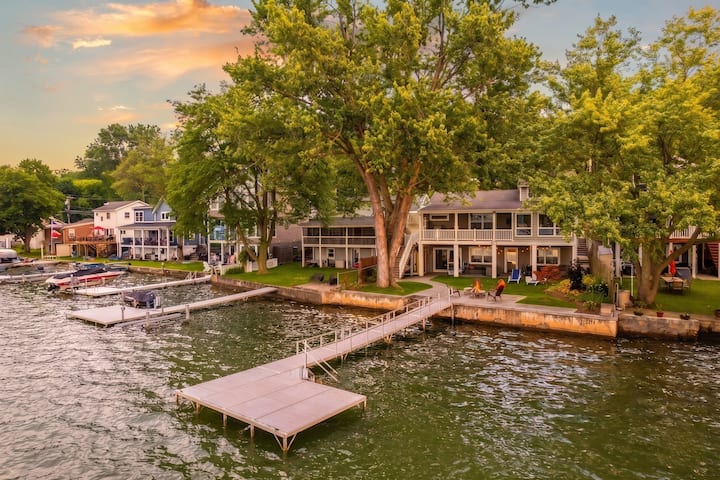
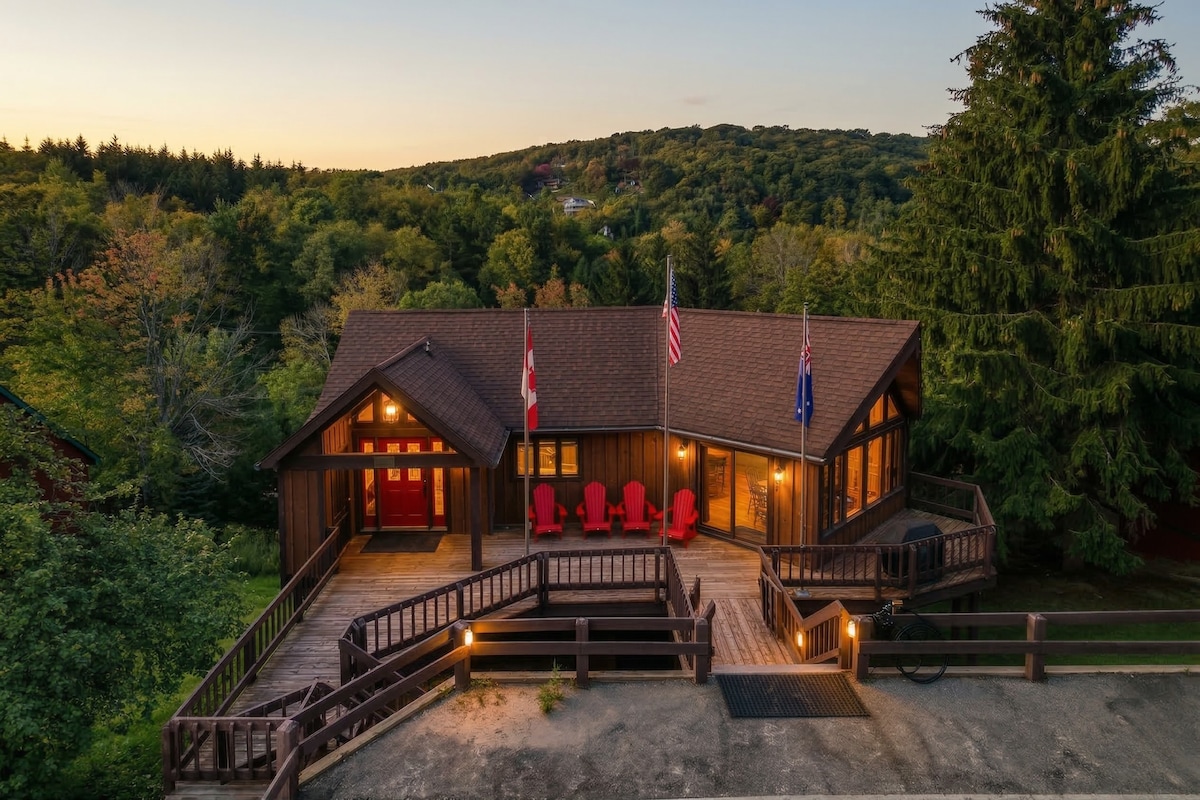
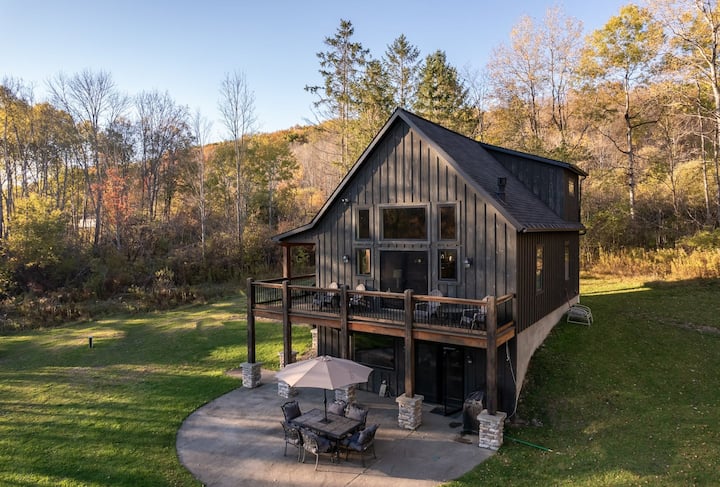
Each card retains the home’s actual town in its caption and does not relabel it as being in Cape Elizabeth.
Local questions
The Town states that a current short-term-rental permit is required before advertising, renting, or operating a unit. Its ordinance standards identify the permitted types and their conditions. Review the current Town material and ask Code Enforcement how the standards apply to the specific property and plan.
An owner should ask about the applicable short-term-rental type, ownership and primary-residence documentation, lot configuration, safety and inspection requirements, wastewater or sewer documentation, parking plan, advertising language, filing timing, and current portal process. The Town’s standards should be read alongside a property-specific conversation with Code Enforcement.
Town short-term-rental standards prohibit on-street parking by tenants and guests and require a compliant on-site parking plan. The owner should document usable off-street parking for the property and communicate site-specific instructions clearly in arrival information and the rental agreement.
Co-hosting is planned after the owner has reviewed the home, preferred role, and applicable requirements. The parties can then assign responsibilities for listing work, guest communication, turnovers, property care, maintenance coordination, reporting, and owner approvals in a clear written scope.
Owner inquiry
Tell us about the Cape Elizabeth property, its current setup, and the operating support you are considering. We begin with the home and the owner’s goals, while recognizing that Town standards and other obligations require property-specific confirmation from the appropriate sources. An early conversation can identify the operating questions to organize, the information that should be documented, and whether a collaborative scope makes sense for the home.
Regional context
Niagara is our home base, and we also consider select management and investment opportunities elsewhere. Our Niagara hub explains the local markets we currently focus on in Ontario.