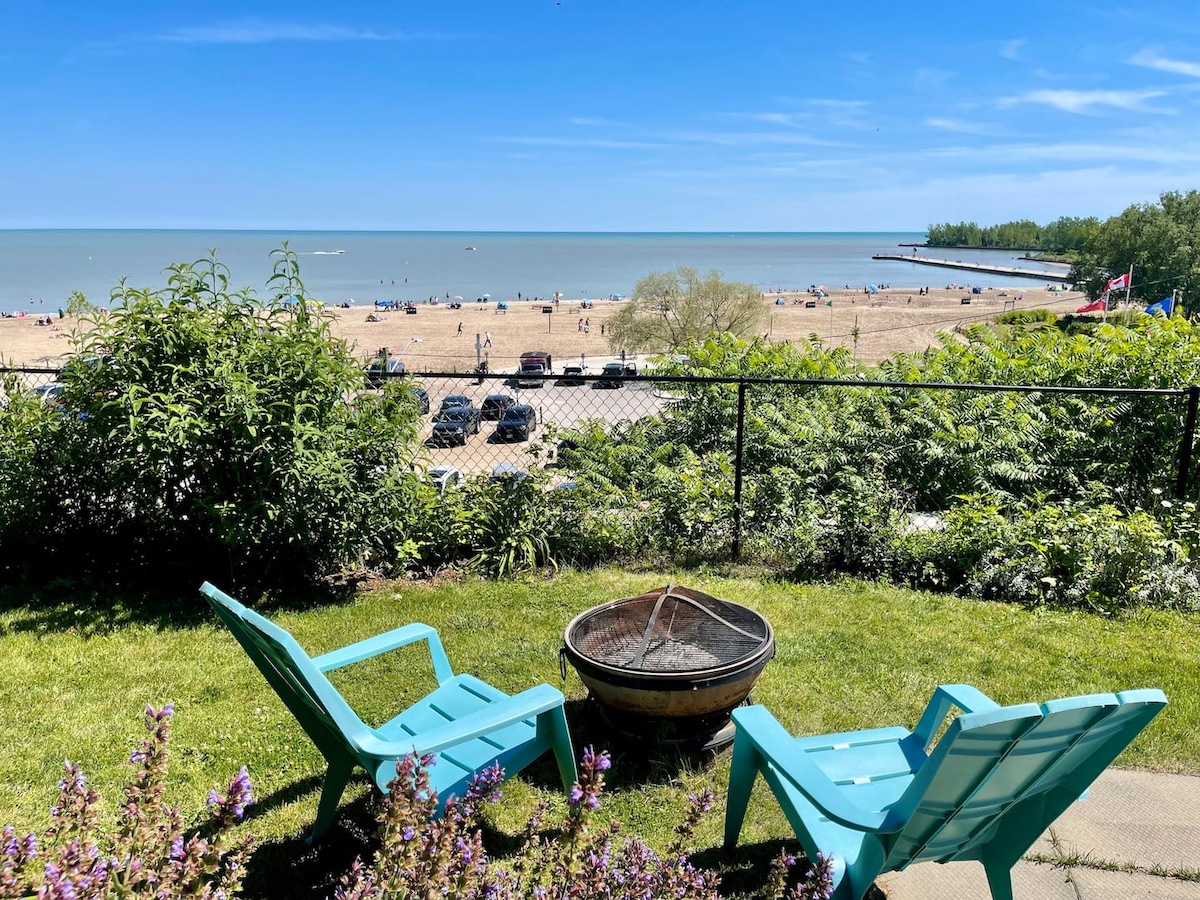
Port Burwell, Canada
Peaceful Cottage on Lake Erie with Stunning Views!
Lake Erie · Peaceful setting · Lake views
View listingWhy this market
Canmore Nordic Centre Provincial Park supplies regional context. Alberta Parks lists winter activities and summer mountain biking, hiking, trail running, roller skiing, orienteering, and disc golf. Guest information should use official resources. A home’s verified access, parking, systems, outdoor areas, sleeping plan, and house guidance remain the basis for hospitality communication.
Season changes details an owner wants organized. Alberta Parks identifies a dedicated snowshoe loop and prohibits snowshoeing on groomed ski trails. Its guidance describes mountain-bike and hiking options, while a wildlife corridor has date-specific closure and designated-trail rules. Conditions and closures can change. Alberta Parks also notes the Kananaskis Conservation Pass for vehicle parking in Kananaskis and the Bow Valley.
A property-led plan separates verified home information from regional context. Owner and co-host can document access, safety equipment, service contacts, waste routines, weather-sensitive checks, and outdoor-space boundaries. This keeps listing material, arrival messages, turnovers, and maintenance follow-up connected to the actual home.
Local rules
The Town of Canmore defines a Tourist Home as a specific property type under its Land Use Bylaw for which an official Development Permit has been issued. A Tourist Home may be rented short-term; a Residential property may not. Effective March 11, 2025, the Town amended the bylaw to eliminate Tourist Homes as a permitted use. Existing Tourist Homes remain Tourist Homes, but—subject to possible exceptions—the Town says conversion or reversion of a Residential property and new Tourist Home construction have been eliminated. Only the Town can apply this to the exact site and records.
The municipal sequence starts with a written, property-specific request to the Town. Provide the precise address and ask about approved use, Development Permit history, land-use designation, and permits or bylaw steps. The owner should separately review title, condominium documents where relevant, insurance, building and fire requirements, and private restrictions with appropriate sources and advisers. Keep written responses and records with the property file.
If the Town confirms a Tourist Home is operating as a short-term rental, it requires one business licence for each unit or individually titled property. The licence must be displayed at the property and its number shown in online advertising. Town guidance identifies an application form, recent-purchase ownership proof, and Alberta business-registration documents appropriate to the business structure. Confirm current forms, documentation, fees, renewal, advertising, and enforcement details directly with the Town.
Provincial administration is separate. Alberta classifies residential-unit providers as accommodation hosts. Since October 1, 2024, an accommodation host collecting full or partial payment must register and collect, report, and remit the tourism levy as applicable; online brokers that collect or facilitate payment also have duties. Responsibility turns on payment flow. Confirm the current reporting scenario, registration, exemptions, and obligations with Alberta Tax and Revenue Administration.
Review Town of Canmore Tourist Home guidanceWhat we handle
After the owner has obtained appropriate property-specific confirmations, the scope can be built around the home’s documented features, condition, systems, and standards.
The aim is accurate guest information, accountable routines between stays, and a clear record of decisions held by the owner or the relevant authority.
Co-hosting explained
Co-hosting is a collaborative operating arrangement, not a substitute for municipal, provincial, or private-property review. An owner can retain decisions while a co-host supports listing work, guest communication, arrivals, turnovers, property checks, inventory, maintenance follow-up, and updates. The scope should identify spending approvals, service-provider contacts, urgent response, and reporting.
The checklist can include access procedures, safety information, inventory, house guidance, utilities and system notes, service contacts, recurring maintenance, and owner documentation. It should distinguish hospitality coordination from duties assigned to the owner or a public authority. A co-host may help organize licence-display or advertising details after the owner has confirmed requirements, but the arrangement does not determine approved use or levy treatment.
A practical discussion focuses on the owner’s preferred involvement and routines for the verified home. Clear handoffs help guests receive accurate information, service providers reach the right person, and owners retain visibility into material decisions.
Portfolio references
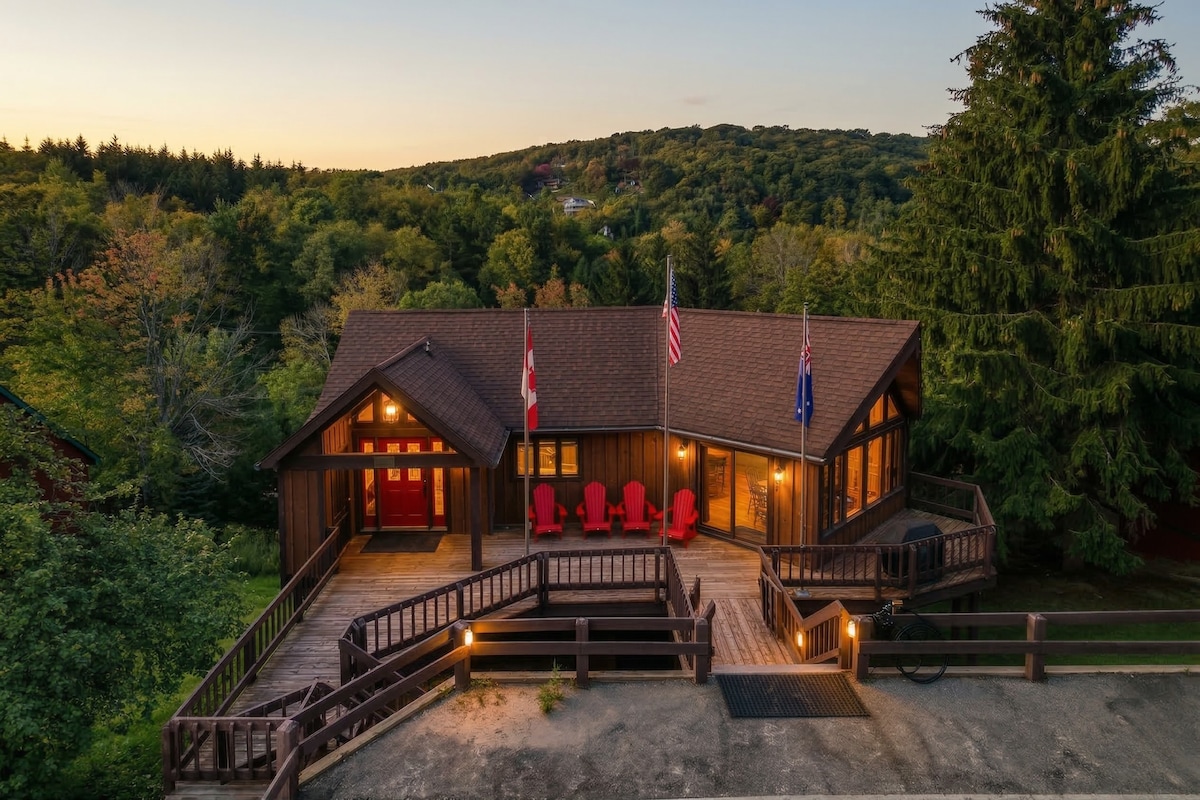
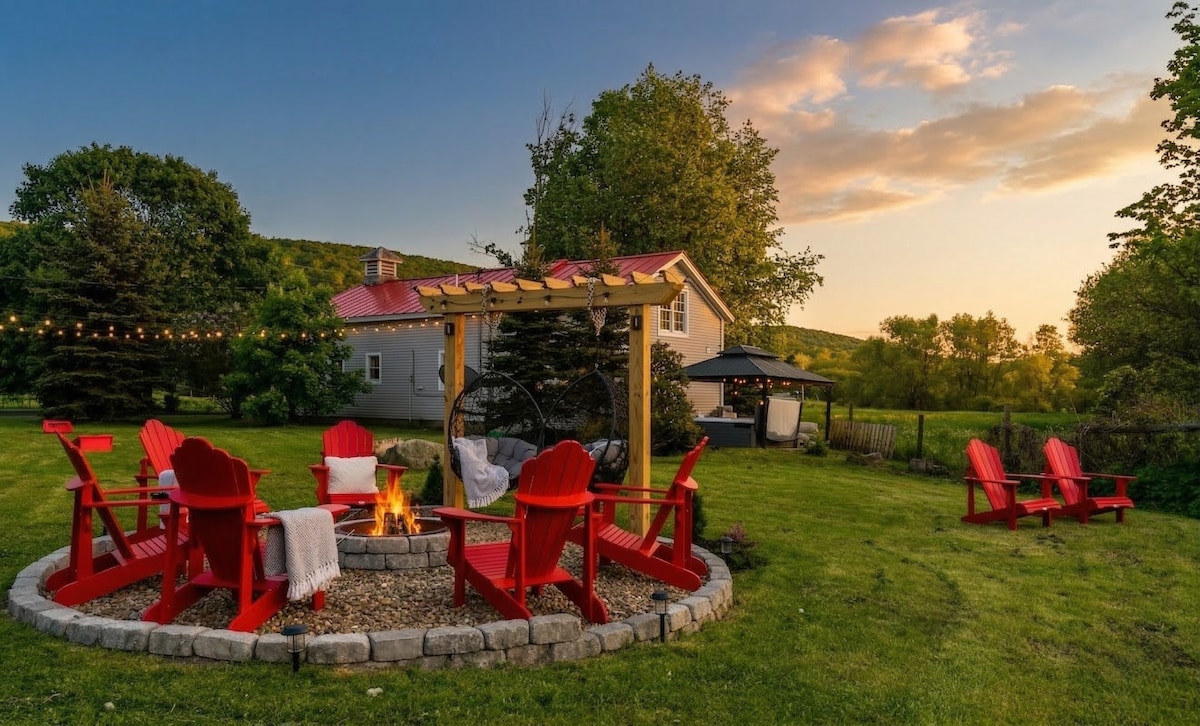
The cards retain the portfolio records’ actual towns: Port Burwell, Canada, and Ellicottville, New York. They are references only and do not indicate a Canmore location, property, approved use, licensing status, operating status, or characteristics of another home.
Local questions
Ask the Town of Canmore in writing to confirm the exact address’s approved use, Development Permit history, land-use designation, and current process. Do not treat a general address description, listing, or application as proof of approved use.
The Town says its Land Use Bylaw was amended effective March 11, 2025, eliminating Tourist Homes as a permitted use. Existing Tourist Homes remain Tourist Homes, while conversion or reversion from Residential property and new Tourist Home construction were eliminated subject to possible exceptions. The Town must assess the individual record.
For a Tourist Home operating as a short-term rental, the Town describes one business licence per unit or individually titled property, displayed at the property and shown in online advertising. Review live Town materials for current ownership, business-registration, and other application requirements.
It is a separate provincial question. Alberta assigns registration, collection, reporting, and remittance duties as applicable to accommodation hosts and certain online brokers according to the payment flow. Confirm the current reporting scenario and responsibilities with Alberta Tax and Revenue Administration.
No. Co-hosting can organize hospitality and property-care work, but it does not determine approved use, Development Permit treatment, licensing, title or condominium requirements, insurance, or tourism-levy responsibilities. Obtain confirmation from the responsible authority and qualified advisers where appropriate.
Owner inquiry
Tell us about the Canmore property, its documented setup, access, systems, service contacts, and the support under consideration. Include written Town correspondence, Development Permit and land-use information, business-licence records, condominium or title documents where relevant, and the payment flow under review for the provincial levy. We begin with verified home information and the owner’s intended role; municipal, provincial, insurance, private-restriction, and regulatory matters remain with the proper authorities and advisers.
Regional context
Niagara is our home base, and we also consider select management and investment opportunities elsewhere. Our Niagara hub explains the local markets we currently focus on in Ontario.